Why Competency-Based Training Isn’t Working- The Learning Science Gap
When teacher training ignores how teachers learn, we cannot expect them to transform how students learn
Across school systems, competency-based learning has become the dominant focus of professional development. Workshops are conducted, competency frameworks are introduced, and teachers are trained to design activities, assessments, and rubrics aligned with competency language. However, despite significant investment and effort, classroom practice often shows limited transformation. Lessons are relabelled rather than redesigned. Competencies are discussed but rarely constructed through sustained student learning experiences.
This pattern does not indicate teacher resistance or lack of motivation. Instead, it reflects a deeper design flaw in how competency-based training itself is structured. Most programmes are built on assumptions about learning that conflict with established findings from cognitive science and teacher development research.
The Structural Flaw: Training That Focuses on Implementation Instead of Learning
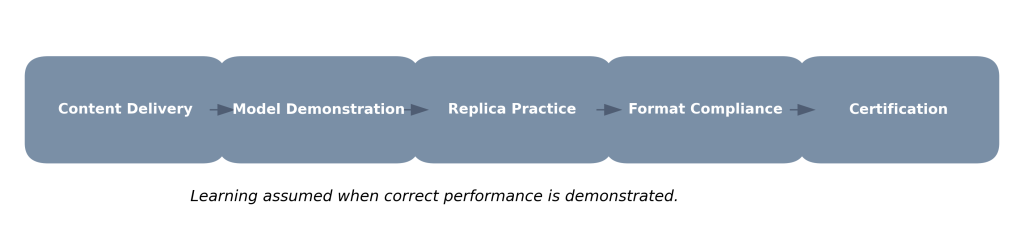
Most competency-based training programmes concentrate on procedural implementation rather than on how learning actually develops. The dominant training model follows a predictable structure. Teachers are introduced to definitions of competencies, provided with skill frameworks, shown examples of competency-aligned lessons, and asked to design lesson plans or assessment tools using prescribed templates. Certification is then used as evidence of successful training.
Although this approach appears systematic, it reflects a behaviourist model of professional learning. It assumes that visible performance signals conceptual understanding. It assumes that if teachers follow structured steps, learning outcomes will naturally follow. It assumes that engagement automatically leads to deeper thinking. These assumptions have been repeatedly challenged by research in educational psychology.
Competency-based learning fails to translate into classroom transformation not because teachers misunderstand formats but because training rarely equips teachers to interpret how students think, struggle, form misconceptions, and gradually build understanding.
Why Behavioural Training Cannot Produce Conceptual Change
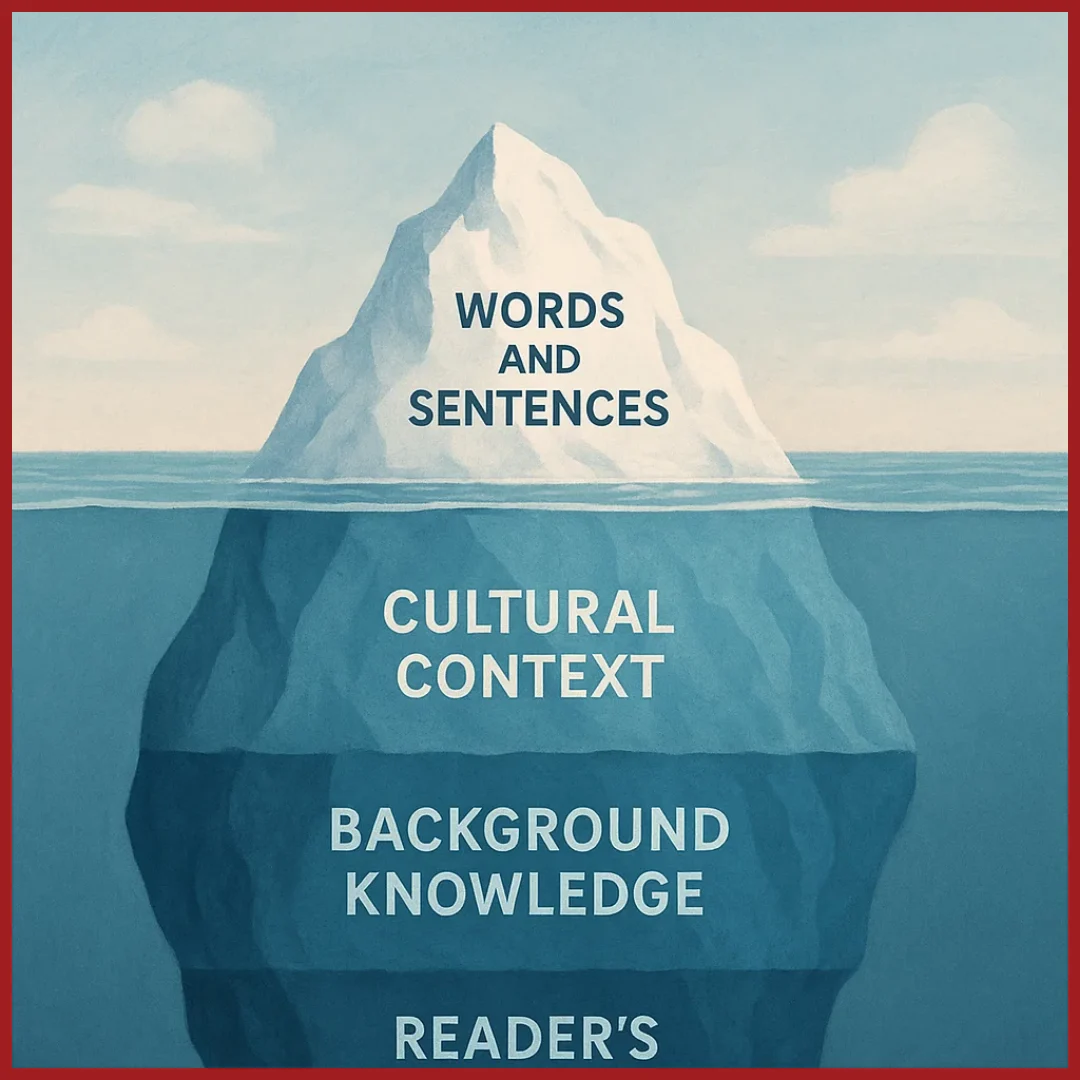
Human learning requires reconstruction of mental models. Teachers enter professional development with deeply established beliefs about teaching and learning formed over years of schooling and reinforced through classroom experience. These beliefs are cognitively and emotionally embedded. Simply presenting alternative lesson formats rarely leads to conceptual change.
Research in teacher cognition shows that professional learning occurs when teachers consciously examine existing assumptions, recognise their limitations, and rebuild understanding through evidence and reflection. Without this reconstruction process, teachers may adopt new language or formats while maintaining unchanged beliefs about how learning occurs.
Transfer of learning presents an additional challenge. Even when teachers understand training concepts, applying them across diverse classroom contexts requires adaptive expertise rather than replication. Each classroom contains unique combinations of learner readiness, linguistic diversity, curriculum demands, and resource constraints. Training based solely on demonstration and imitation cannot prepare teachers for this complexity.
The Research Evidence That Training Often Ignores
Evidence from teacher development research consistently highlights four critical findings. First, conceptual knowledge alone does not change classroom practice. Teachers may accurately describe competency-based education yet continue using transmission-focused instruction. Second, one-off workshops rarely produce sustained change. Studies on professional development consistently indicate that without coaching and classroom-based feedback, transfer of training remains extremely limited. Third, analysis of student thinking is among the strongest drivers of instructional improvement. When teachers examine student responses and misconceptions, motivation to adjust teaching increases significantly. Fourth, professional expertise develops through iterative cycles of experimentation, reflection, and refinement rather than through certification-based training events.
The Missing Dimension: Learning Science
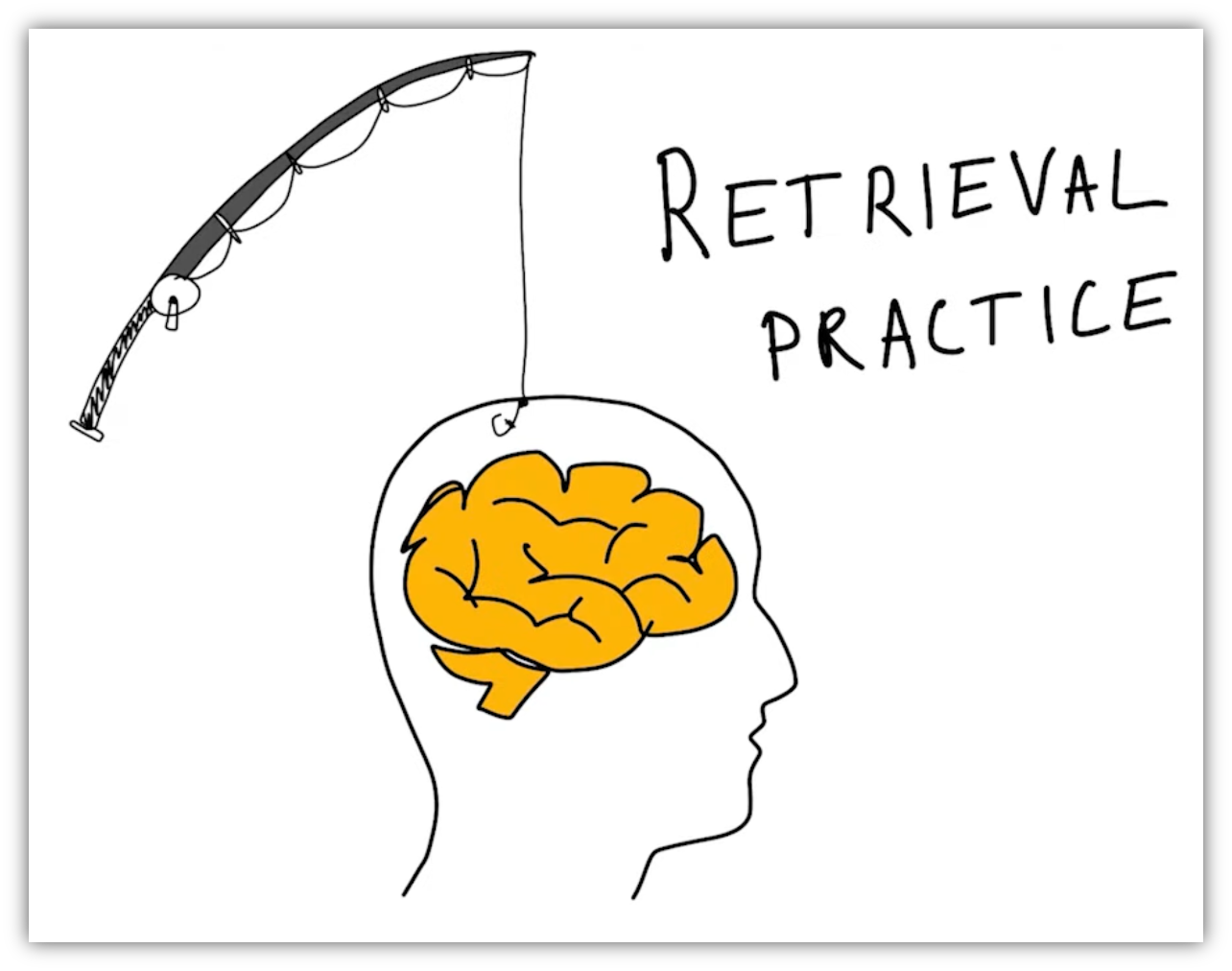
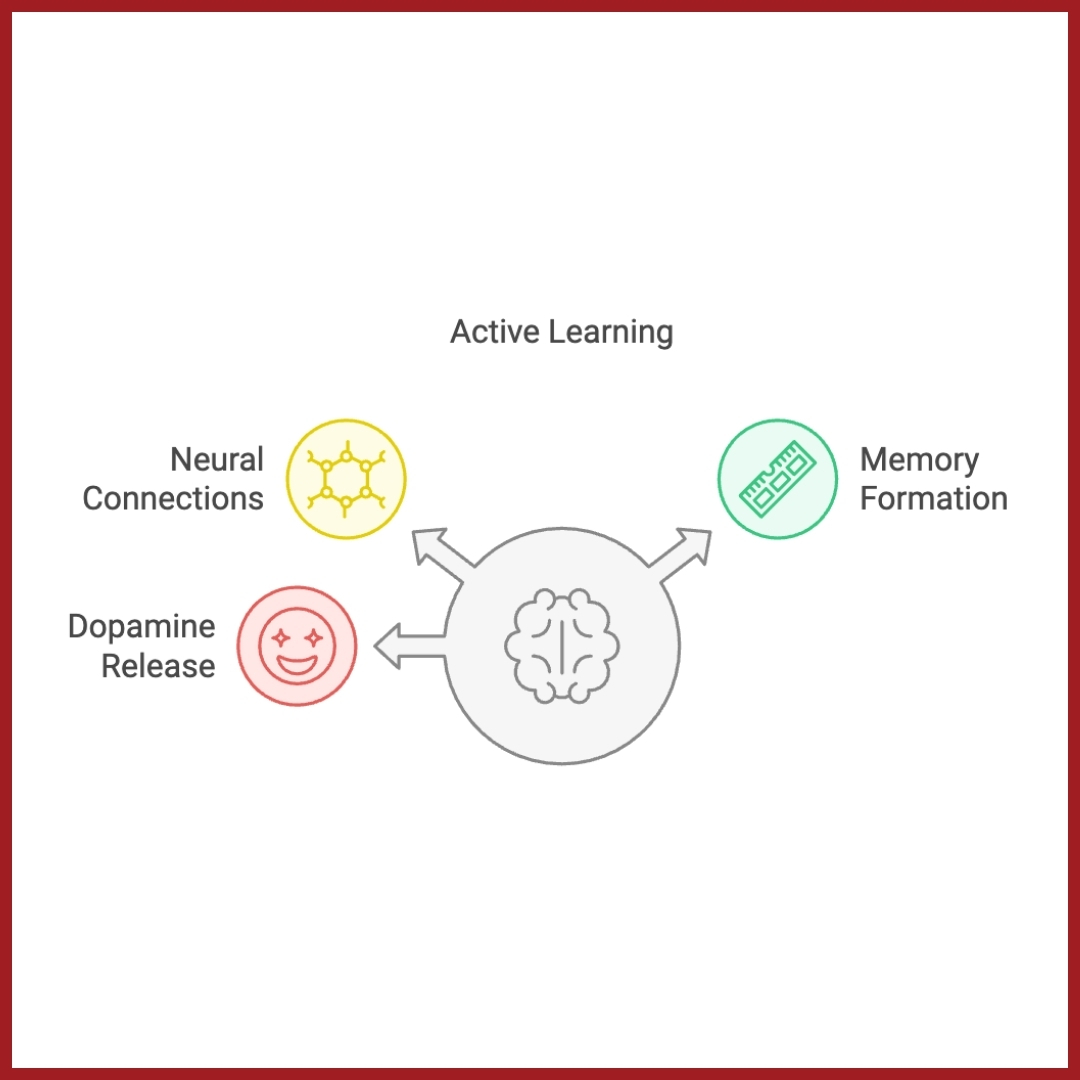
Cognitive science provides strong clarity on how learning develops. Learning is not accumulation of behaviours but reorganisation of knowledge within memory. Effective teaching therefore requires teachers to understand prior knowledge, misconceptions, cognitive load, attention limits, retrieval processes, productive struggle, and mechanisms that enable transfer across contexts.
However, competency-based training frequently focuses on observable indicators of competence while neglecting how competence develops cognitively. Teachers are trained to recognise performance descriptors but rarely supported in diagnosing underlying student thinking.
Why Teachers Often Revert to Traditional Practices
In many classrooms, systemic pressures magnify this training gap. Teachers manage wide variations in student readiness, strong examination orientation, syllabus pacing expectations, and linguistic diversity. Without strong diagnostic tools and cognitive insight, competency-based teaching can appear uncertain and risky. Teachers often return to structured instruction, model answers, and predictable assessments because these approaches offer reliability under time pressure.
This shift is not ideological resistance. It reflects practical constraints combined with insufficient training in interpreting learning evidence.
Assessment Literacy: The Most Neglected Competency
Competency-based reform emphasises assessment alignment but often restricts teacher preparation to rubric design and scoring procedures. Genuine assessment literacy requires teachers to interpret student responses diagnostically. Teachers need to recognise whether errors reflect misconceptions, partial conceptual understanding, or language barriers. They must be able to identify instructional actions based on assessment evidence.
Without these capabilities, assessment becomes classification rather than guidance for learning. Competency-based assessment then feels like additional workload rather than an instructional resource.
Designing Teacher Training Through Learning Science
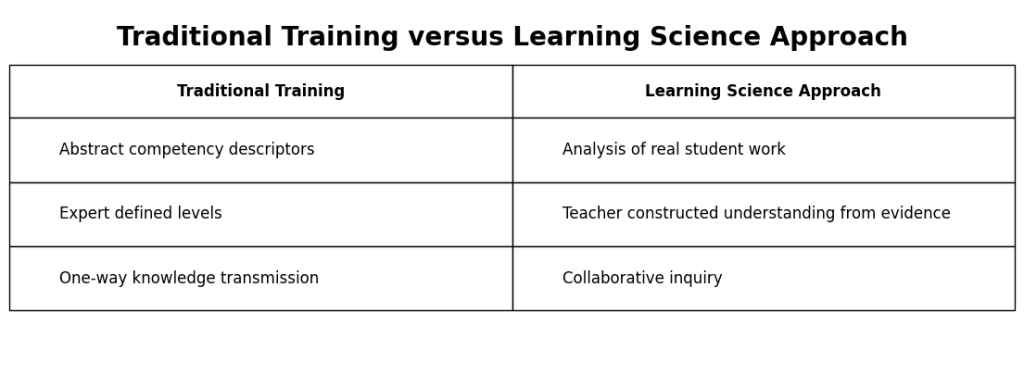
Effective competency-based training must model how learning develops. Training should begin with analysis of authentic student responses. This helps teachers connect competency language to real evidence of student thinking. Training should also make cognition visible by helping teachers understand why students struggle with specific concepts and how these struggles reveal learning pathways.
Teachers must learn to design tasks that support transfer across contexts rather than replicate activity formats. Errors should be reframed as diagnostic evidence rather than performance failure. Assessment should function as an instructional input guiding feedback, grouping, and sequencing of learning experiences.
Reimagining Professional Learning Structures
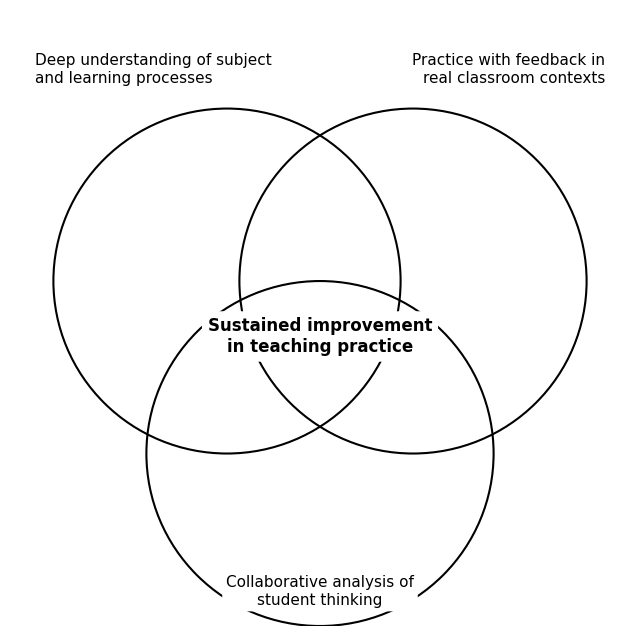
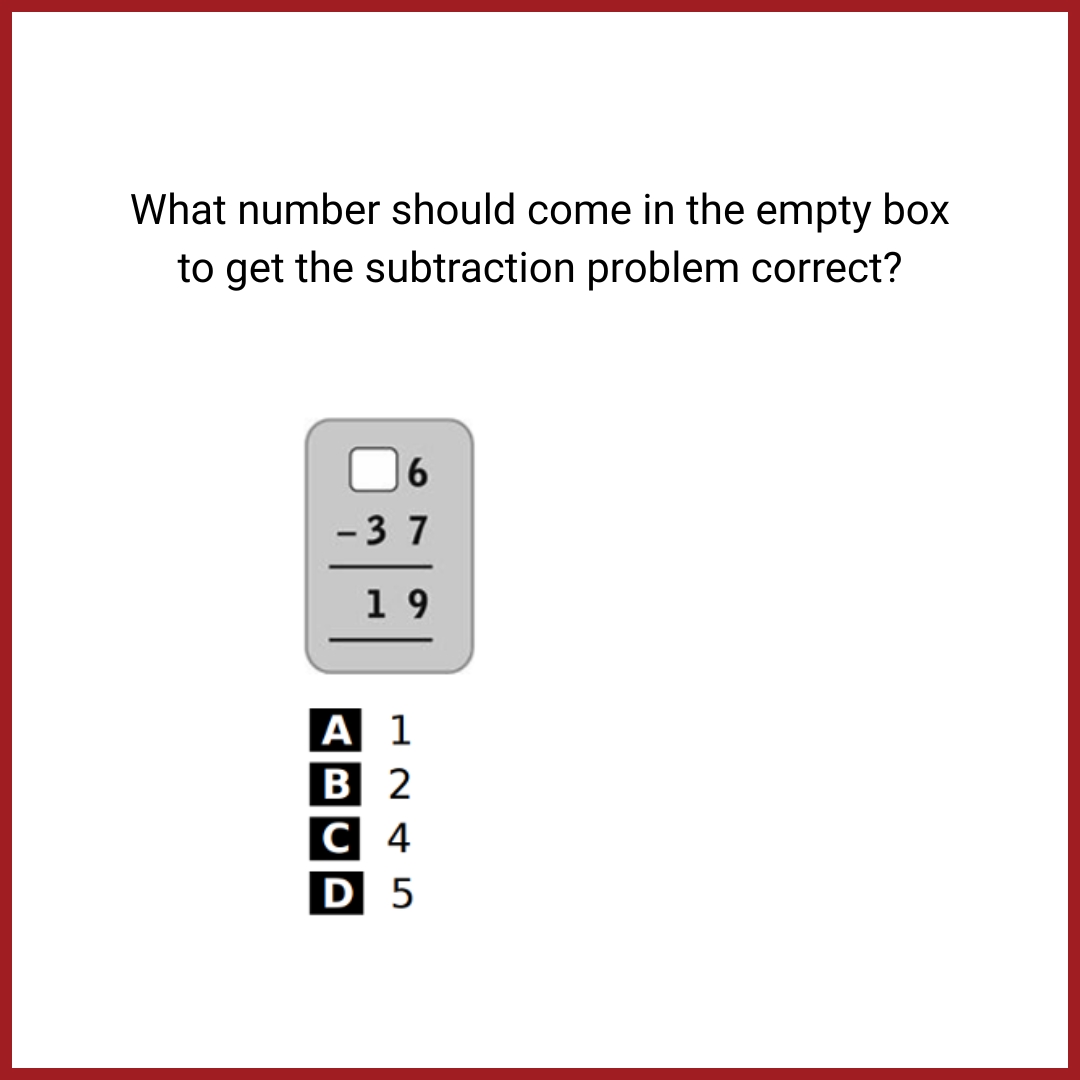
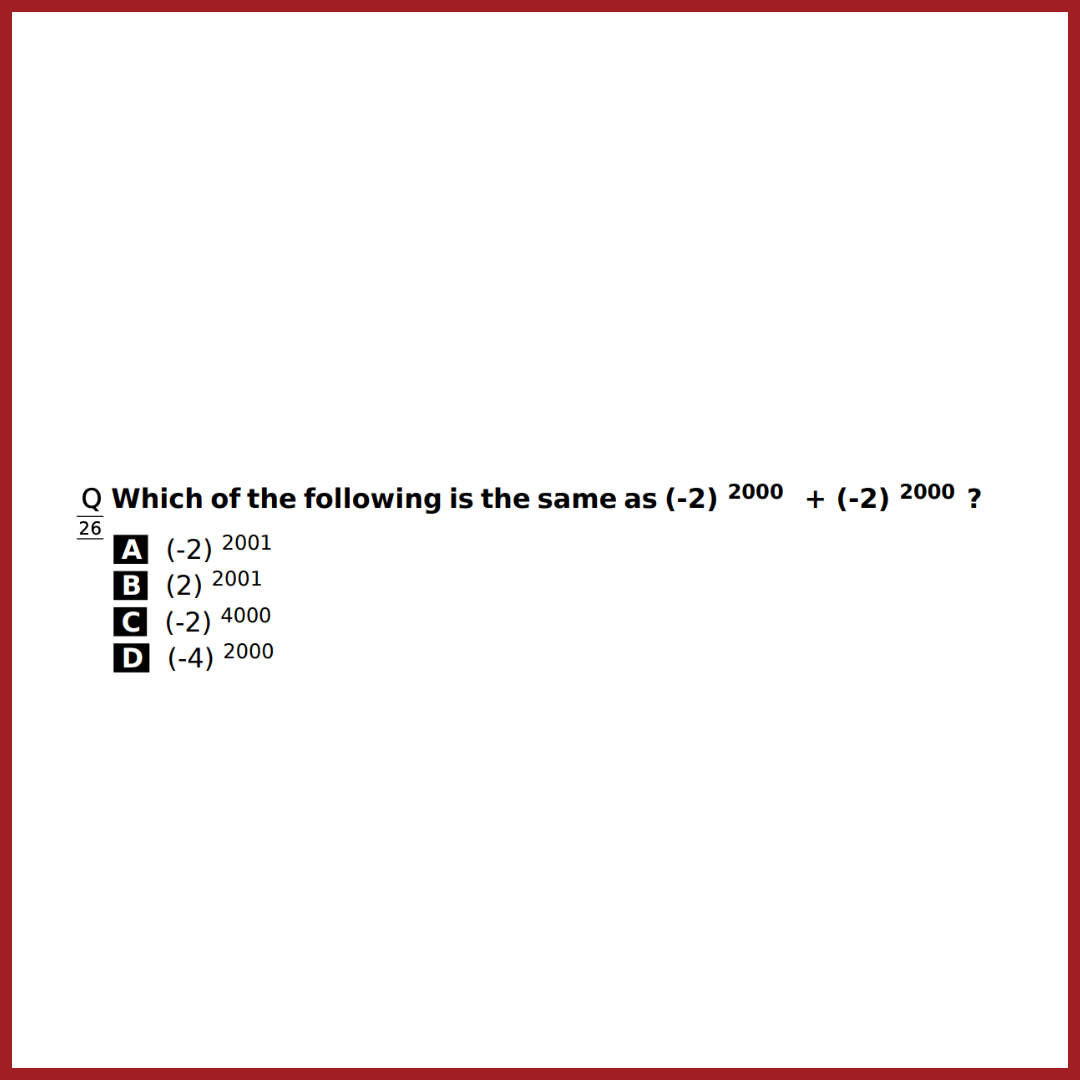
Training aligned with cognitive science must begin by diagnosing teachers’ existing beliefs about learning. These beliefs determine how new information is interpreted. Professional development must create cognitive dissonance by presenting evidence that challenges current assumptions. Analysing contrasting student responses often generates this effect by demonstrating that correct answers do not necessarily represent deep understanding.
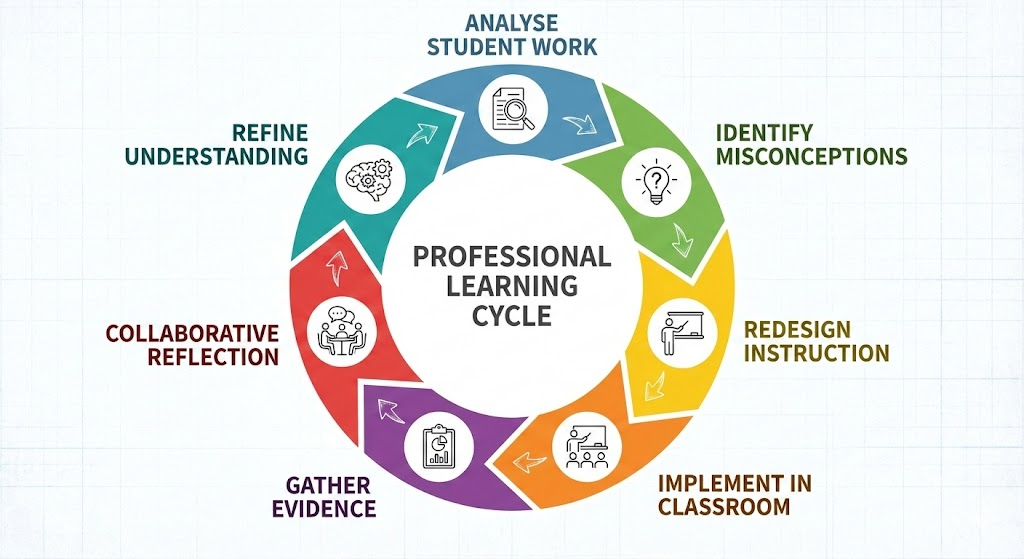
Professional learning should be grounded in authentic classroom contexts. Instead of isolated workshops, teachers should participate in iterative inquiry cycles where they implement small instructional changes, analyse student work, and refine their approaches. Sustained collaboration through professional learning communities strengthens expertise and prevents teachers from reverting to familiar practices.
Systemic Barriers That Training Alone Cannot Solve
Even well-designed training must operate within systemic realities. When high-stakes examinations reward recall while policy emphasises competencies, teachers receive conflicting signals. Evaluation systems that prioritise syllabus completion restrict time for deep conceptual exploration. Large class sizes limit individualised feedback opportunities. Cascaded training models often dilute conceptual clarity and reduce professional development into procedural compliance.
Recognising these barriers is essential for designing realistic professional learning models.
What Effective Competency Implementation Requires
Successful competency-based reform requires an interconnected professional learning ecosystem. This includes training that challenges teacher beliefs through evidence of student thinking, structured classroom inquiry cycles, collaborative teacher learning communities, coaching that provides non-evaluative feedback, alignment between assessment systems and competency goals, and leadership preparation that supports professional experimentation.
Such an ecosystem is complex but consistently associated with sustainable improvement in teaching and student learning outcomes.
A Practical Starting Point for Schools
Schools can begin competency-focused professional learning without waiting for system-wide reform. Instead of scheduling conventional training sessions, schools can organise collaborative student work analysis meetings. Teachers examine evidence of student understanding around a specific competency and identify one instructional improvement to trial. Subsequent meetings review new student work to evaluate impact and refine teaching strategies. This approach mirrors authentic learning cycles based on evidence, reflection, and adaptation.
Five Starting Points for School Leaders
School leaders can strengthen competency-based implementation by auditing professional development structures to measure emphasis on student thinking rather than content delivery.
Establishing structured student work analysis protocols allows teachers to collaboratively interpret learning evidence.
Peer observation cycles focused on instructional decision-making encourage reflective practice.
Curating high-quality research resources supports teacher study groups.
Measuring teacher development through improvement in student reasoning and conceptual depth rather than certification creates meaningful accountability.
The Way Forward
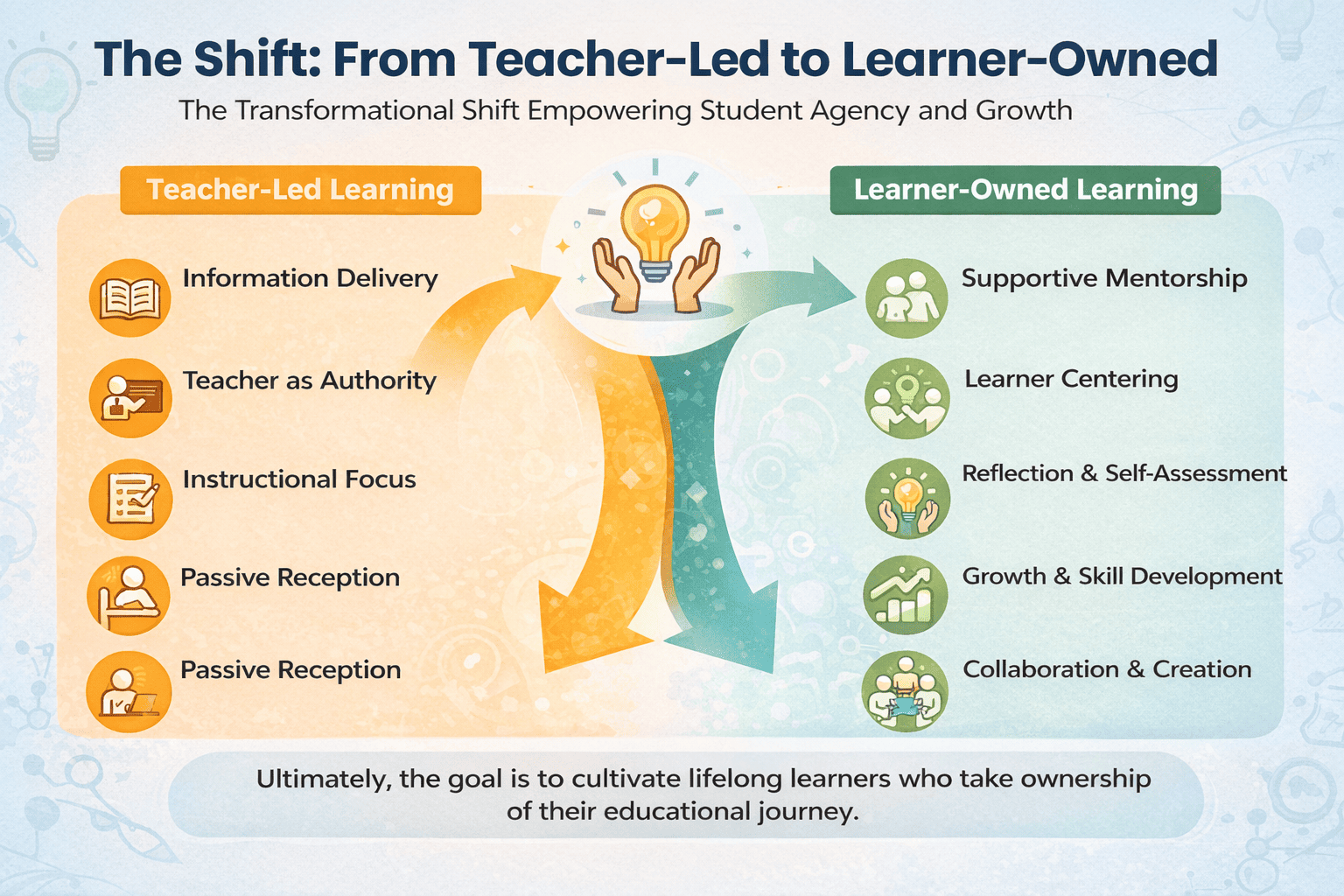
Competency-based education aims to develop deep understanding, transfer, and application of knowledge. Achieving this vision requires treating teacher learning as a complex cognitive process rather than procedural training. The challenge lies not in introducing new frameworks but in transforming how teachers themselves learn.
Learning science applies equally to students and teachers. Competency-based reform will succeed only when teacher professional development reflects the same cognitive principles we expect teachers to apply in classrooms.
Glossary
Competency-Based Learning (CBL): An educational approach that emphasises application of knowledge, skills, and understanding in meaningful contexts rather than recall of information.
Cognitive Load: The amount of mental effort required to process information during learning.
Transfer: The ability to apply knowledge or skills learned in one context to new and unfamiliar situations.
Assessment Literacy: The ability to design, interpret, and use assessment evidence to guide teaching and learning.
Professional Learning Community (PLC): A structured collaborative group of teachers who analyse student work, reflect on instruction, and improve teaching practice together.
Are these principles already part of your teaching toolkit?
We’d love to hear your story!
Share how you bring these principles to life in your classroom and inspire fellow educators. Write to us at prakhar.ghildyal@ei.study and tell us about your unique teaching journey