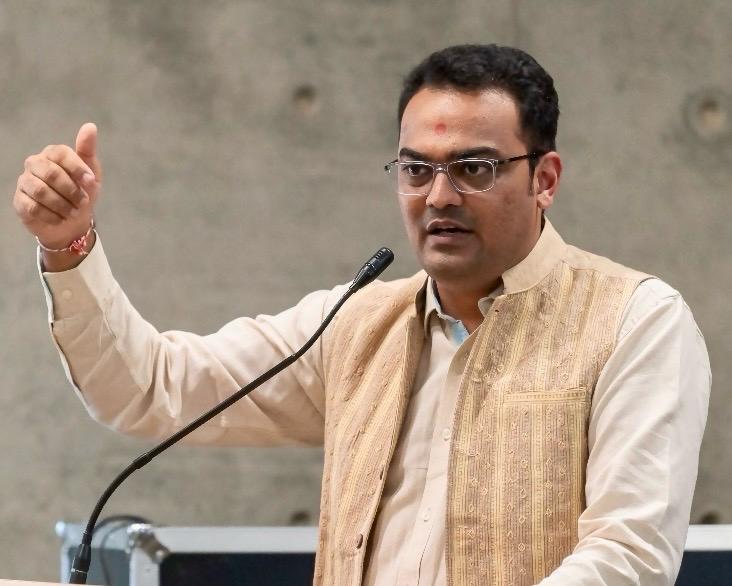
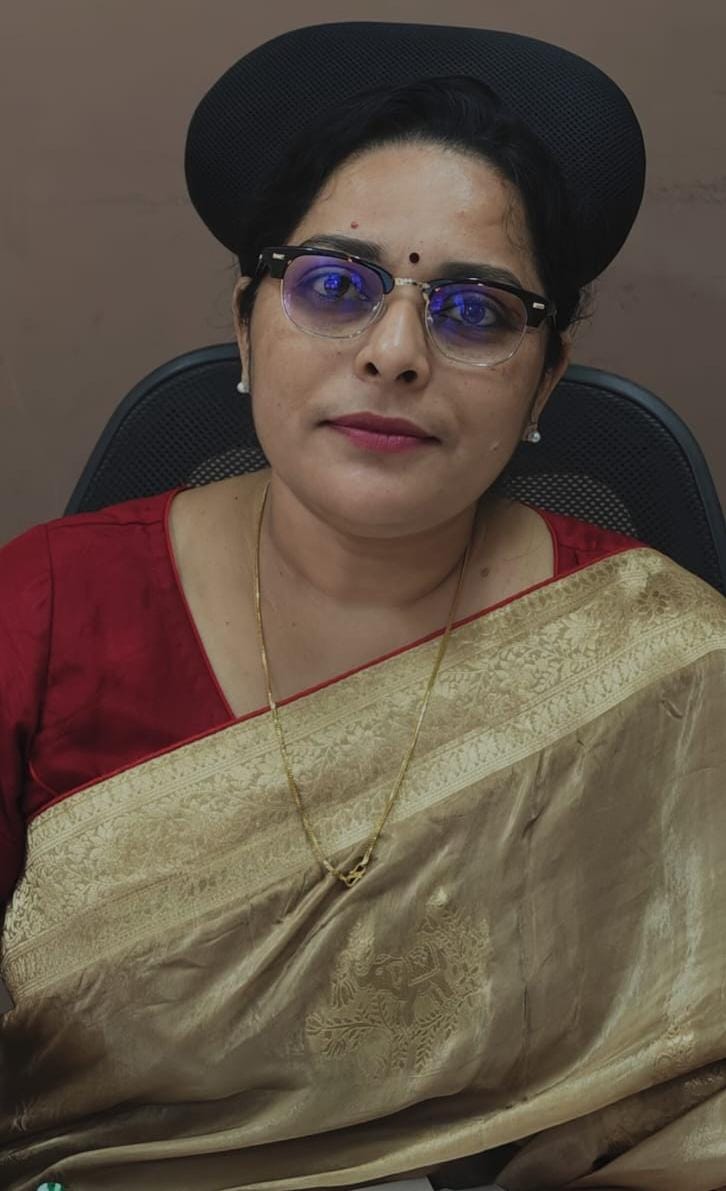
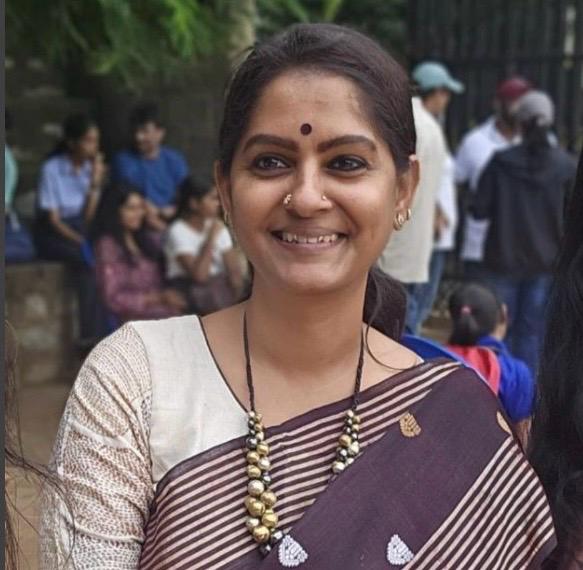
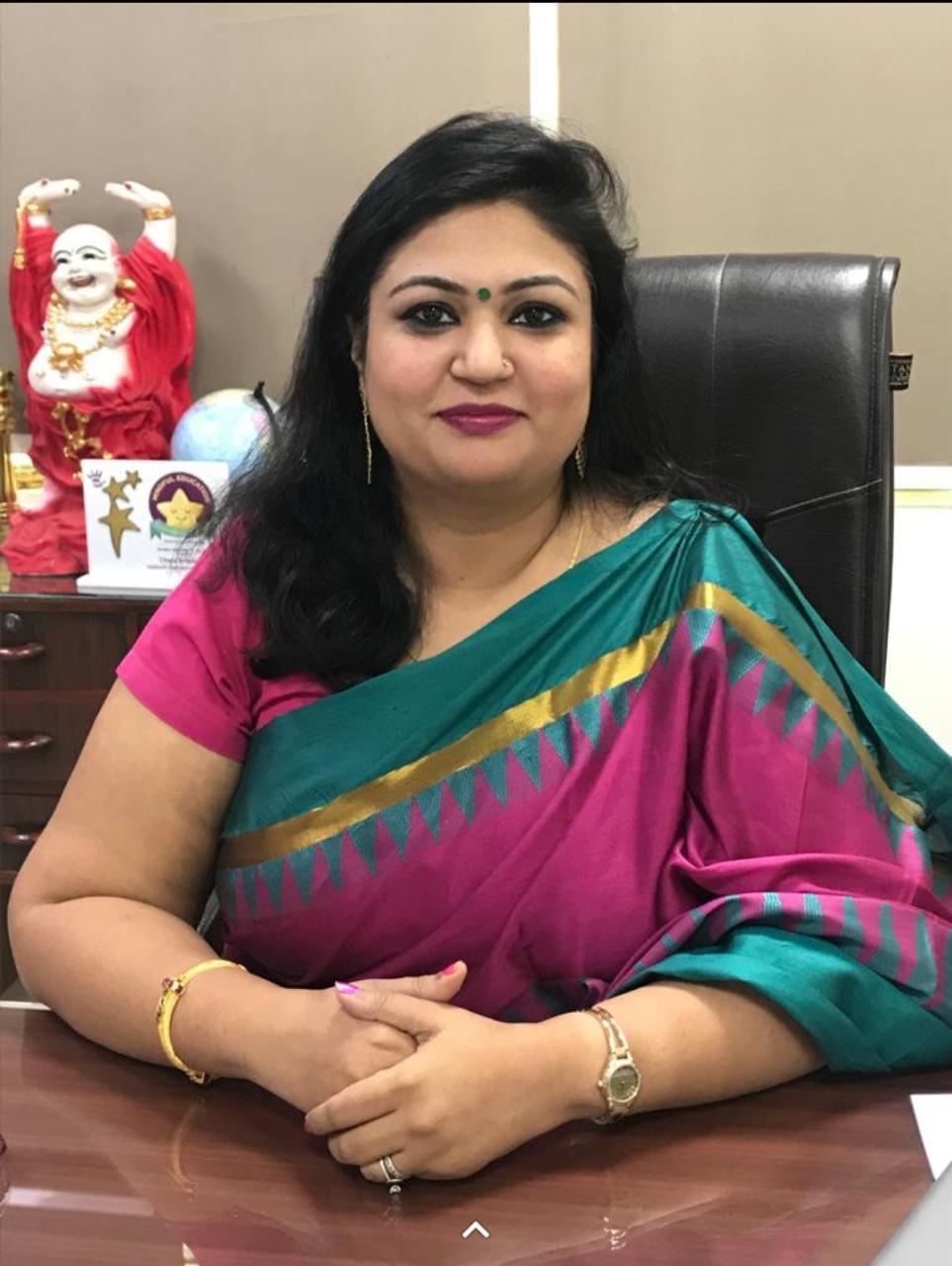
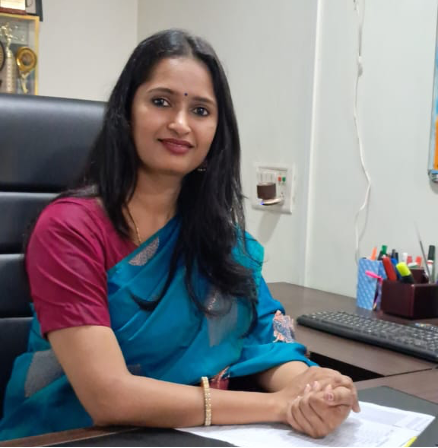
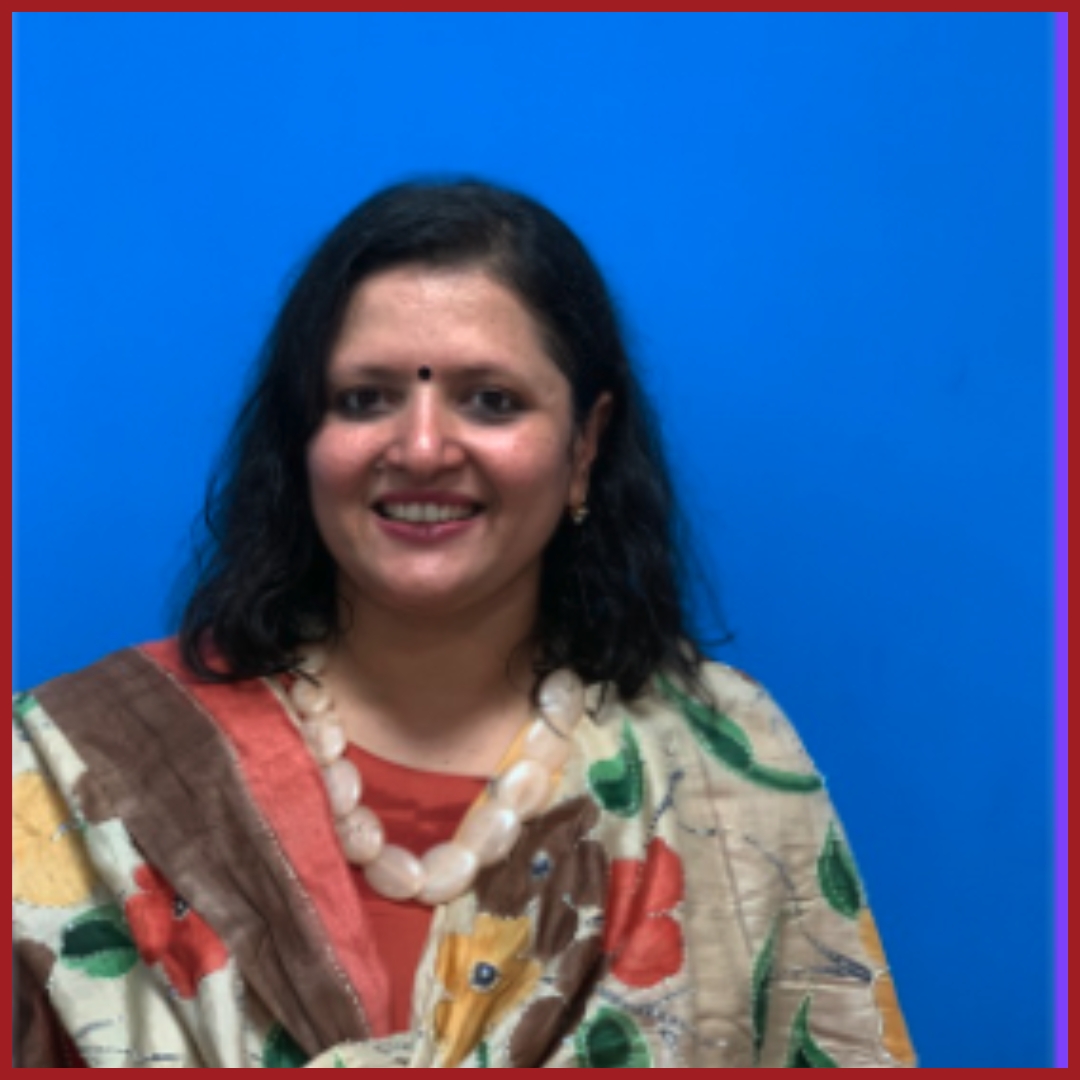
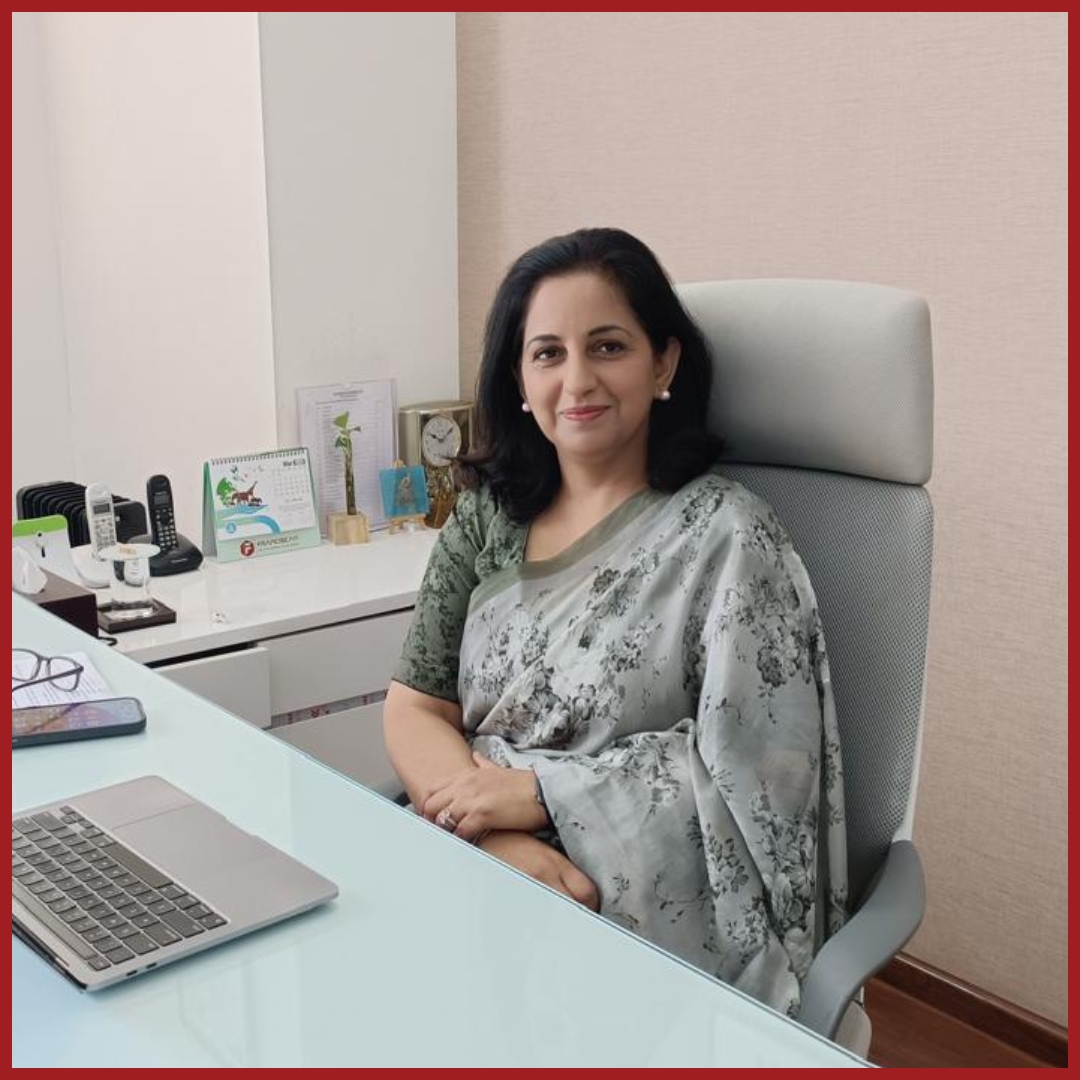
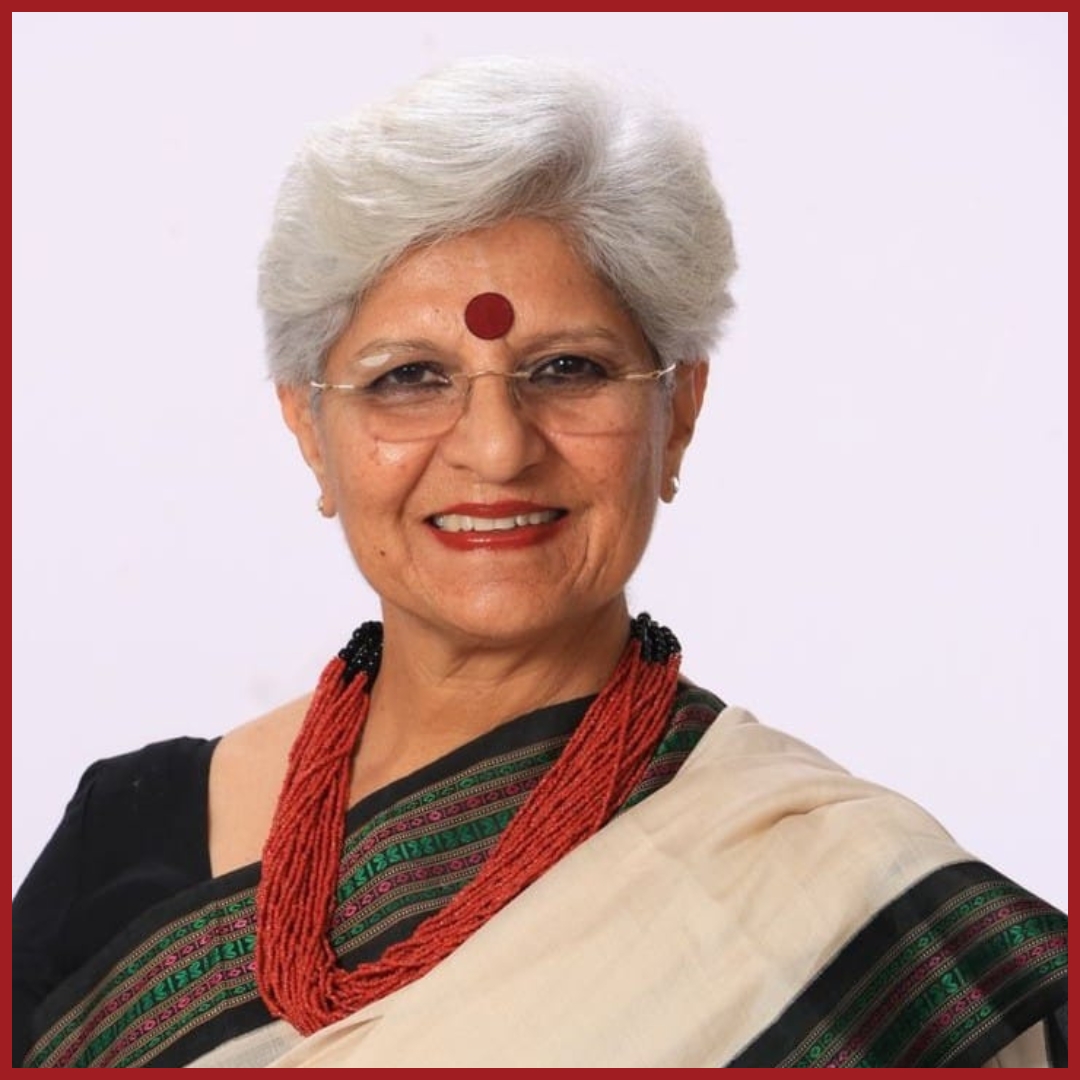
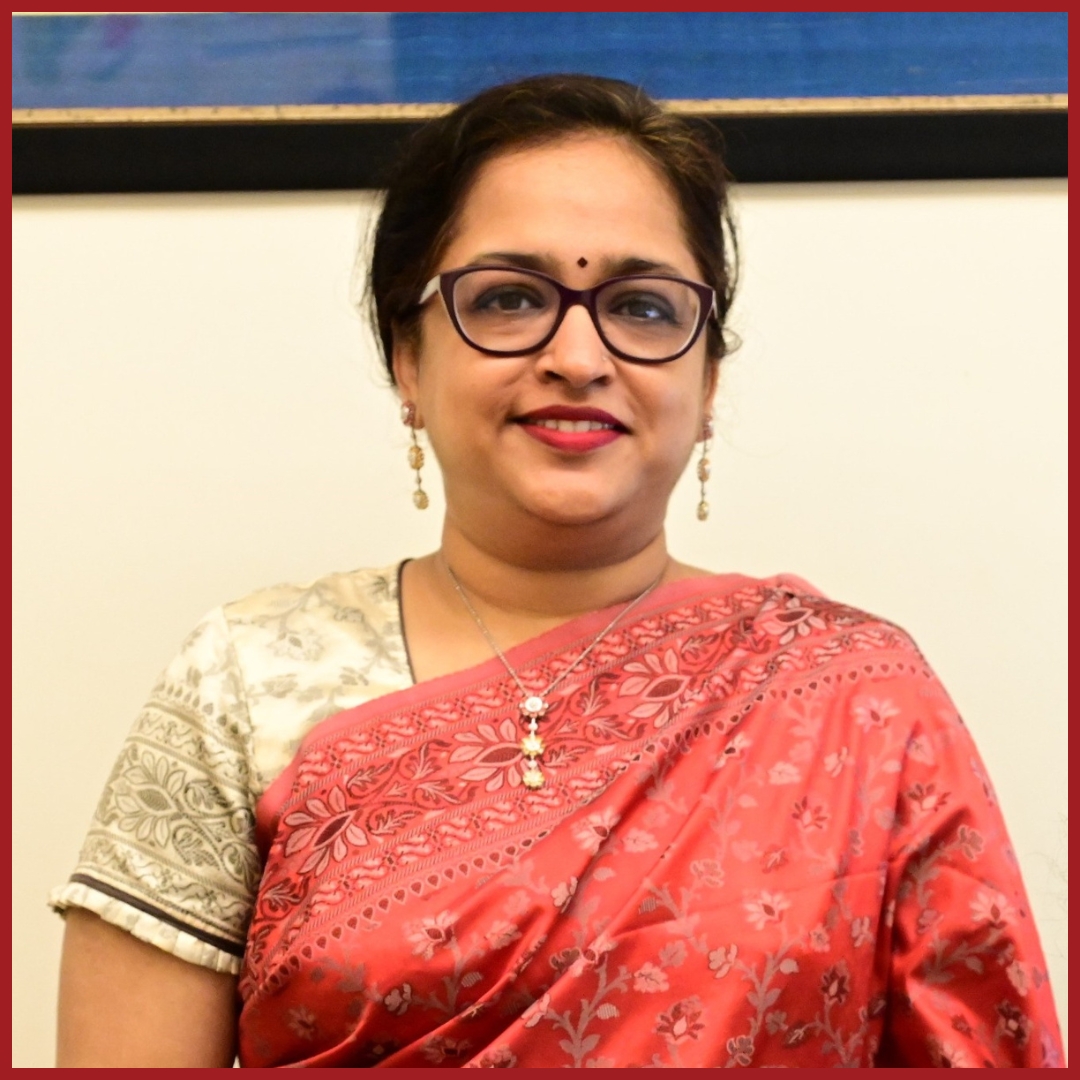
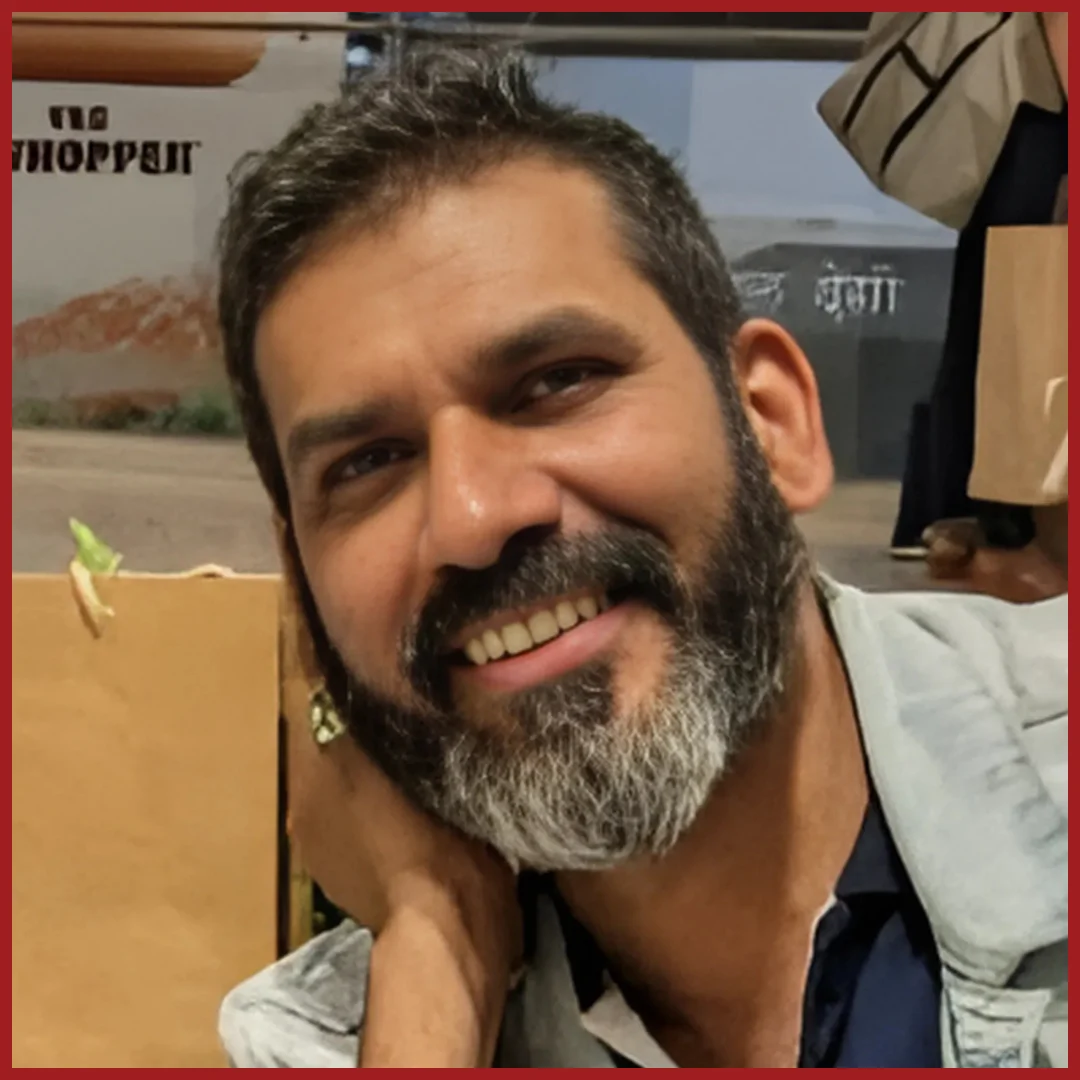
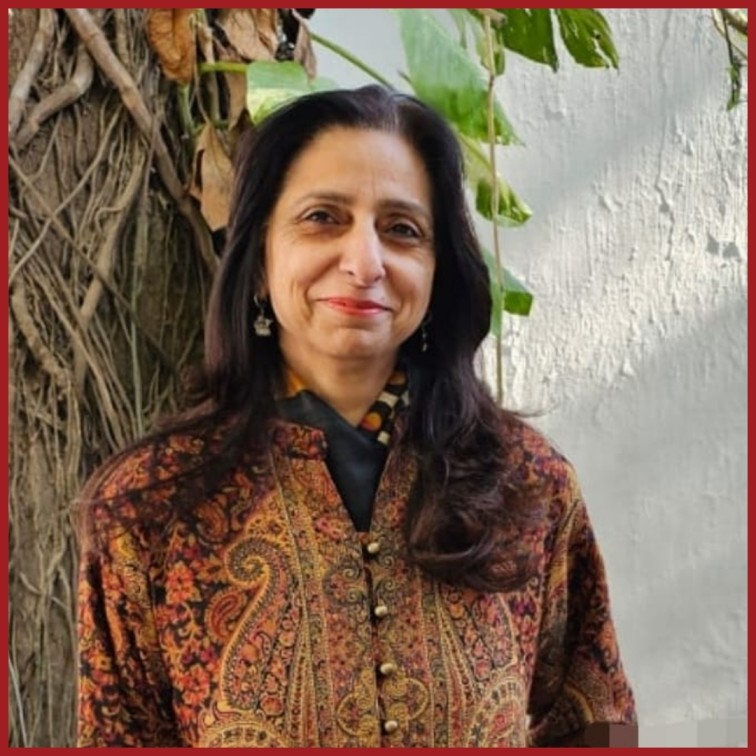
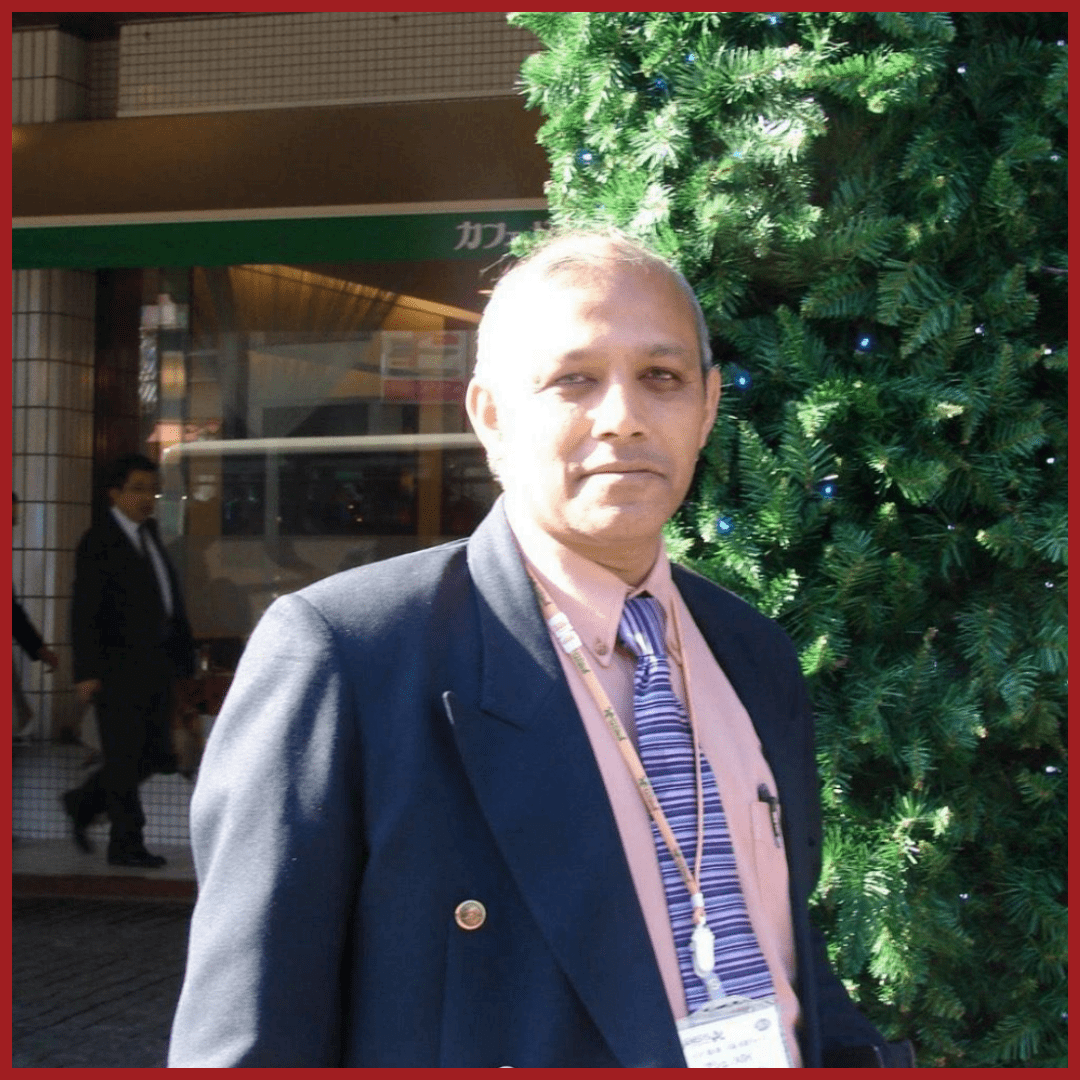
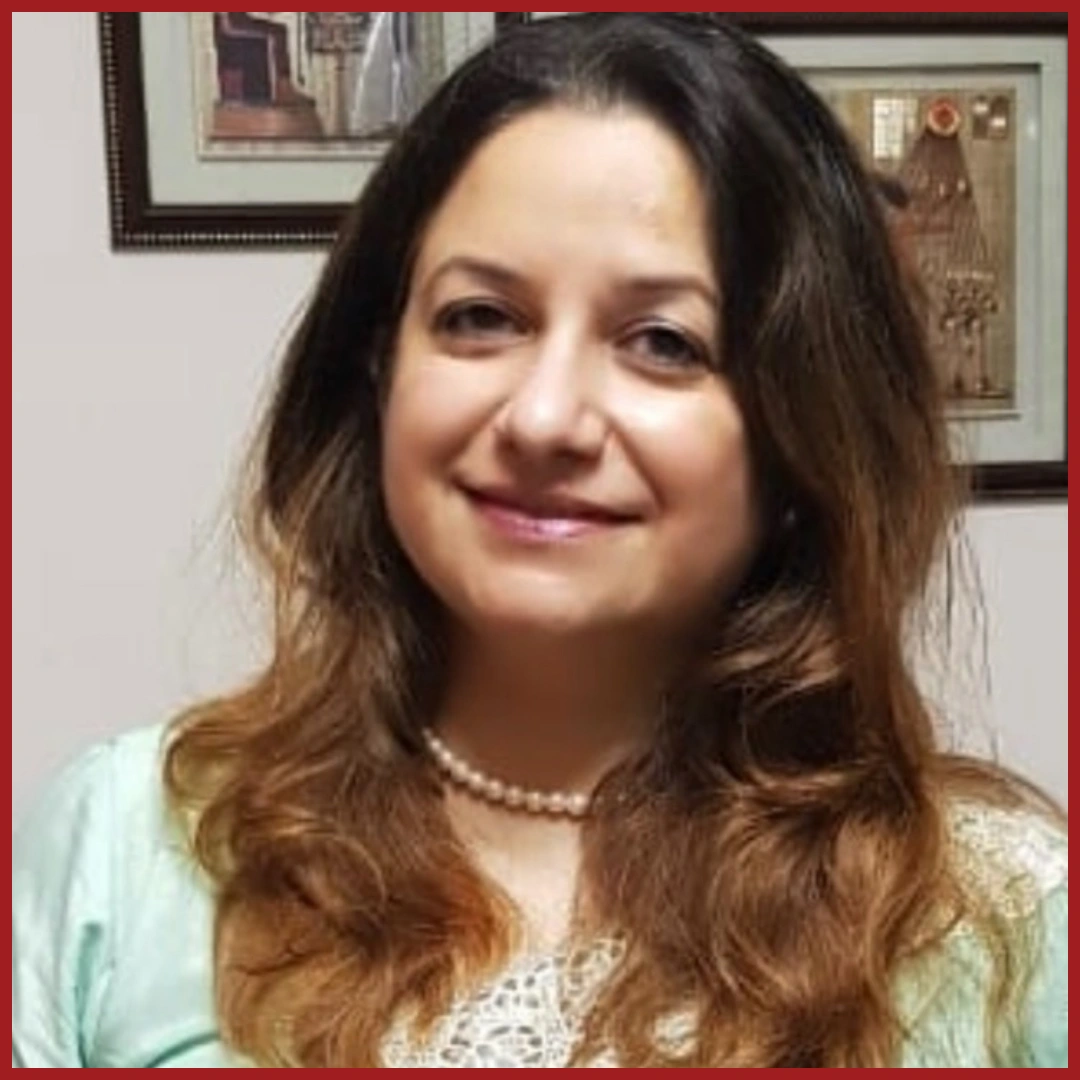
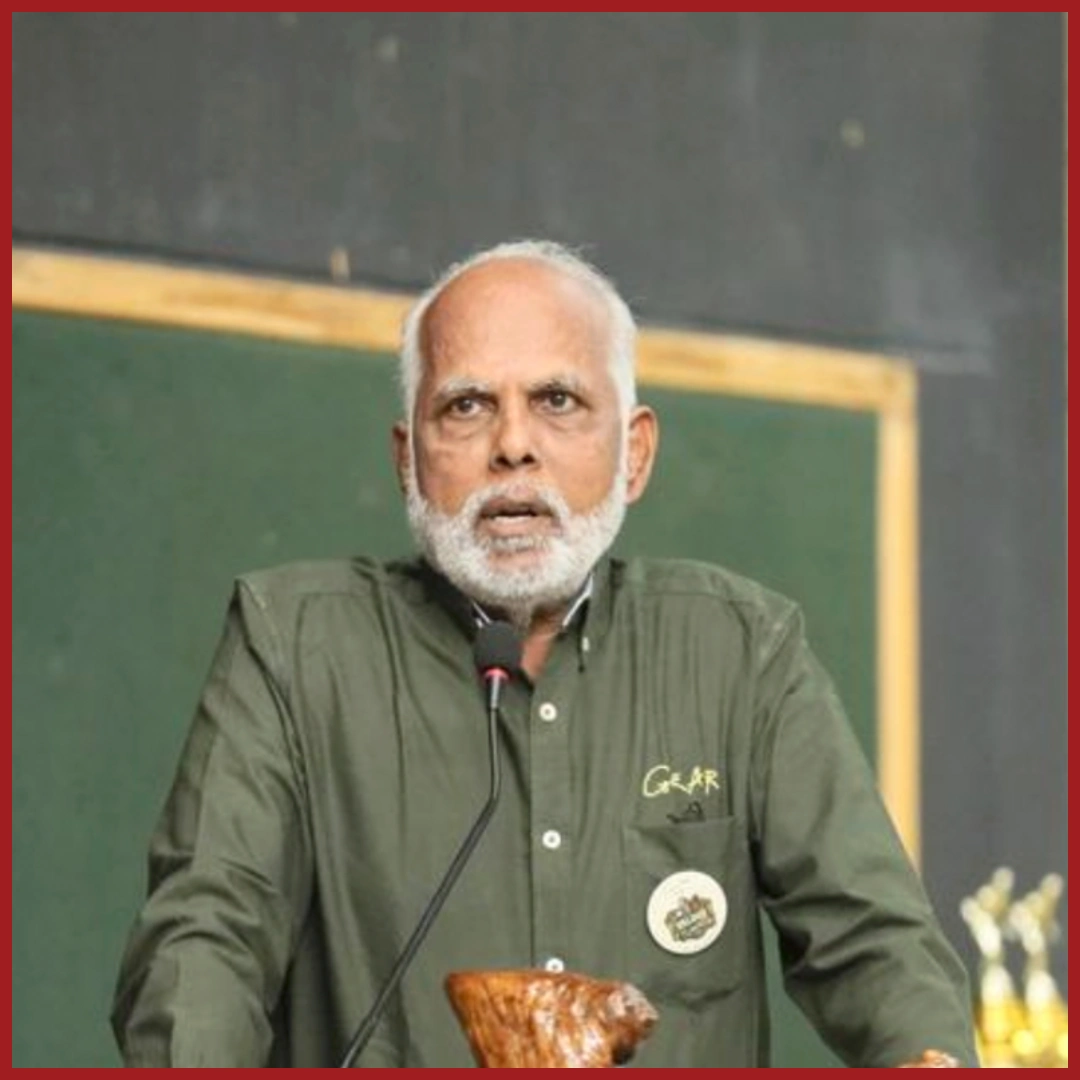
Mr. Bharat Mavadia is Deputy Director at BAPSSVM Randesan and a trainer with CBSE and Cambridge University Press. He has authored six ELT books, published internationally, and co-authored CBSE’s National Award–winning research. Currently pursuing an M.A. in Education and Technology at TISS, he focuses on ethical EdTech and teacher development.
Q1. BAPS Swaminarayan Girls Vidyamandir is a premier residential school which is focused on value-based, holistic education for girls. People often see modernity and tradition as two ends of a thread. What principles or mental frames do you think help maintain harmony between anchoring to traditional values and being agile for innovation?
The Rigved reminds us, “Āno Bhadraḥ Kratavo Yantu Viśvataḥ” — let noble thoughts come from every direction. So embracing innovation isn’t a break from tradition; it’s actually a traditional Indian value. And technology, like any powerful tool, must be used thoughtfully. Our Guru often reminds us to stay alert to anything that can bring unnecessary negativity.
At school, we see this balance play out daily. When our girls work on ATL projects or use digital tools for research, the first question is always, “How does this help society?” That grounding keeps innovation purposeful instead of distracting.
We don’t see modernity and tradition as opposites. Values give stability; innovation gives agility. When both move together, children grow up rooted in who they are and ready for the world they will step into.
Q2. In a residential school setting, children are available to the school 24x7. In this ecosystem, how does every adult, not just teachers, contribute meaningfully to the child’s academic and personal growth?
“It takes a village to raise a child.” In a residential school, this is not a proverb — it’s daily life. Everyone has a role, and each contribution matters.
A teacher can teach hygiene, but a caretaker helps a young girl practice it. We can hold sessions on menstrual health, but when a child experiences it for the first time, she needs a motherly figure, not a presentation. We may put energy-conservation charts in classrooms, but it’s in the kitchen and cooking classes where these ideas are lived and understood.
A residential school is really a modern-day gurukul. Growth is stitched into simple routines — making their beds, cleaning their rooms, doing their dishes, learning with a study buddy, and living peacefully with peers from different backgrounds.
A caretaker reminding them to tidy up, a kitchen staff member urging them to try a new vegetable, a warden sitting with them after a tough day — each one shapes the child quietly.
Our girls often say they miss the hostel more than the school building, because that’s where they truly grew. That’s the magic of a residential setup: the environment becomes the teacher, and adults simply keep the child aligned to the right path.
Q3. Having worked with students closely, if you could redesign one assumption that parents or society hold about schooling something that limits children’s potential, what would it be, and how do you believe it should evolve?
One harmful assumption I see today comes in two extremes: “EdTech is so bad that we shouldn’t touch it.” and “EdTech is here — give it to the child and all our problems are solved.”
Both views limit children. EdTech is neither a threat nor a miracle. It is simply a tool — a powerful one — and like any tool, it depends on how it is used. It cannot replace teachers, mothers, fathers, friends, or the time children spend with them. In fact, when EdTech enters a child’s life, meaningful human relationships become even more important.
A child still needs someone to answer their fears, guide their thinking, model behaviour, and teach them to use technology wisely.
So if I could reset one assumption, it would be this: Learning is human first. Technology should only build on that, not replace it.
Q4. What are some of the changes educators are seeing in the classrooms of today vis-à-vis classrooms of yesterday? Are there any teaching habits or mindsets a teacher of today needs to change to do better in classrooms of today?
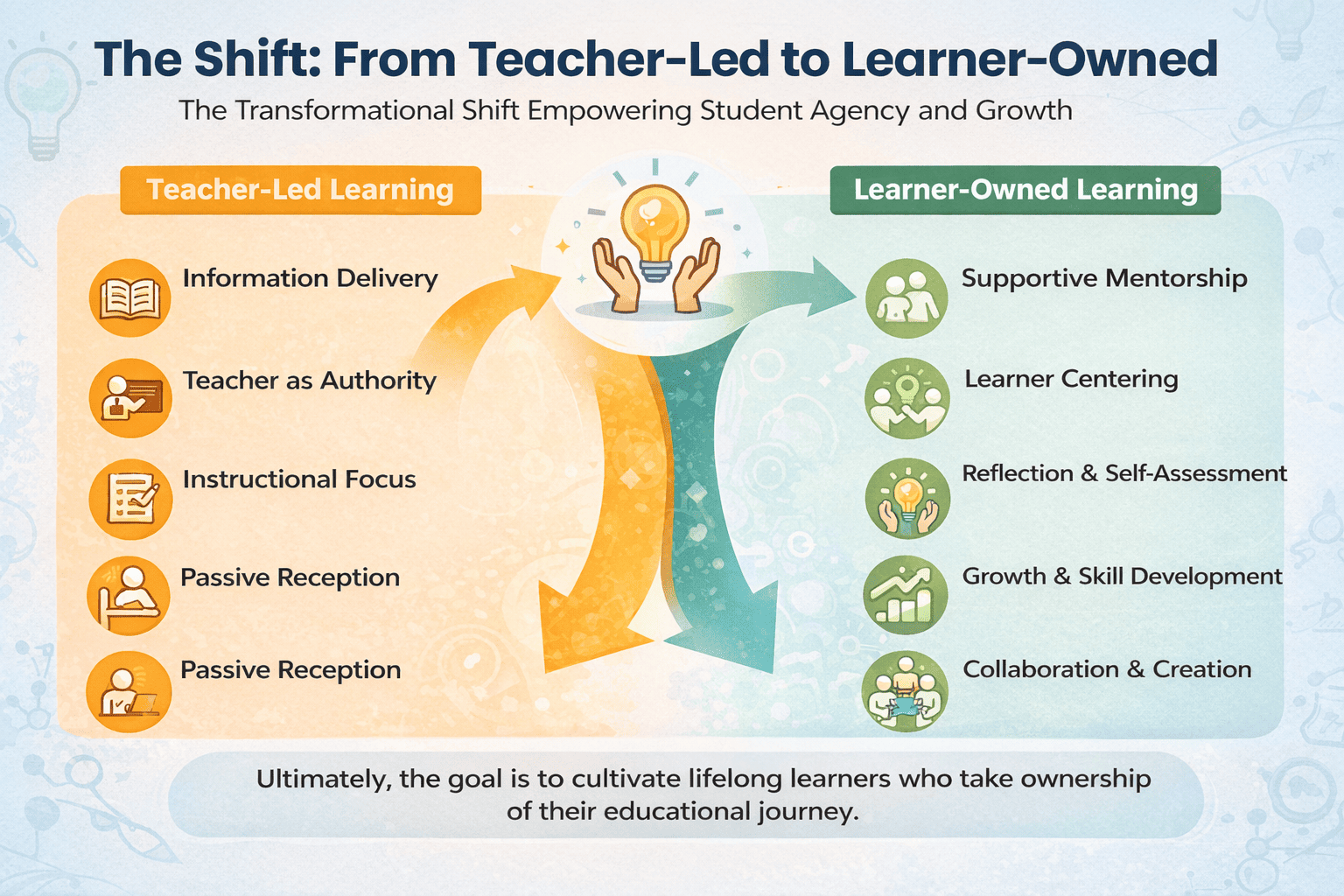
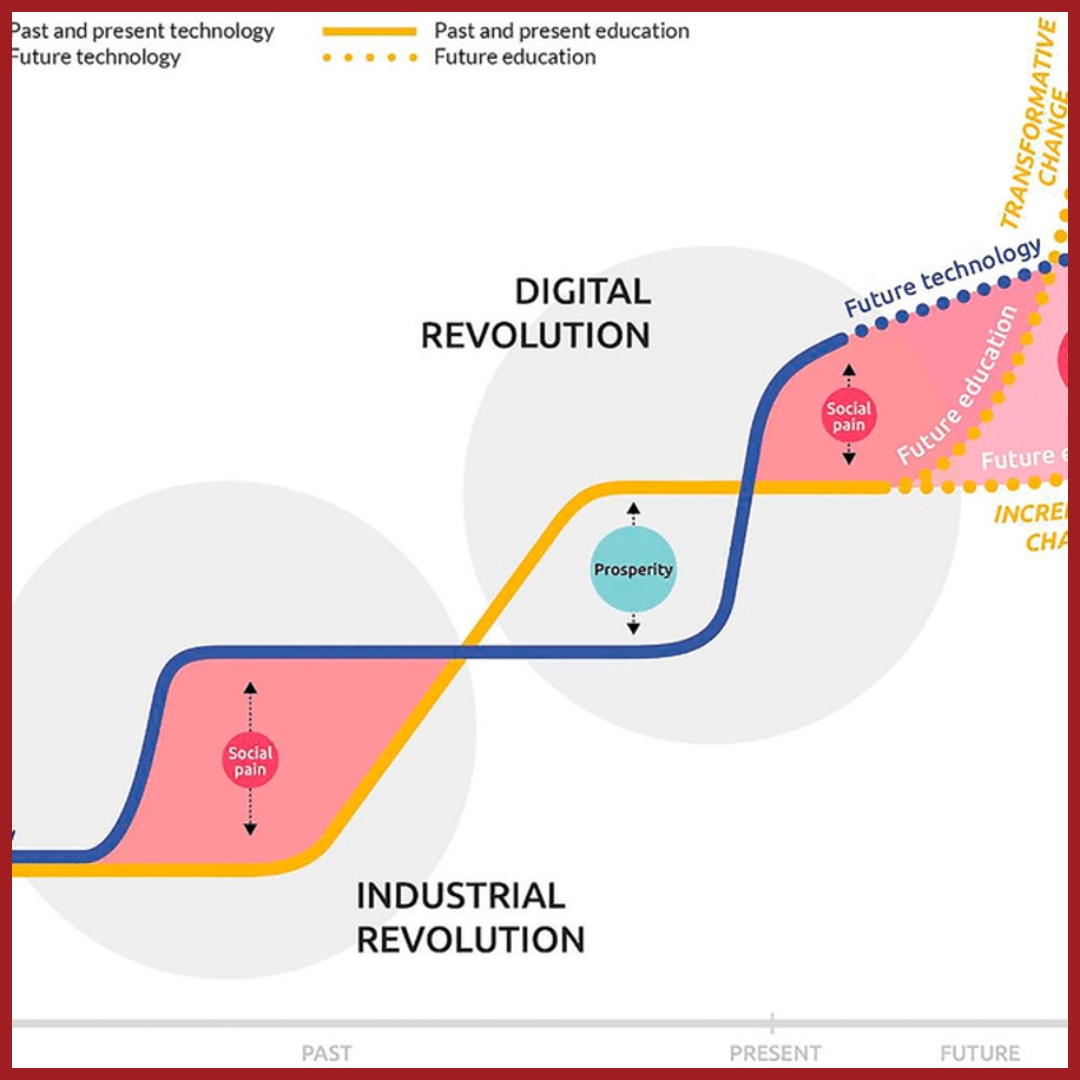
Google, ChatGPT and many other tools will handle information. Children don’t depend on us for facts anymore — they depend on us for connection. Their needs evolve quickly, and our approaches must stay adaptable. Changes that once took decades now happen in a couple of years.
Teachers don’t need new jargon; they need a new mindset. The one habit we must let go of is teaching from routine. What worked for yesterday’s classrooms doesn’t work for today’s.
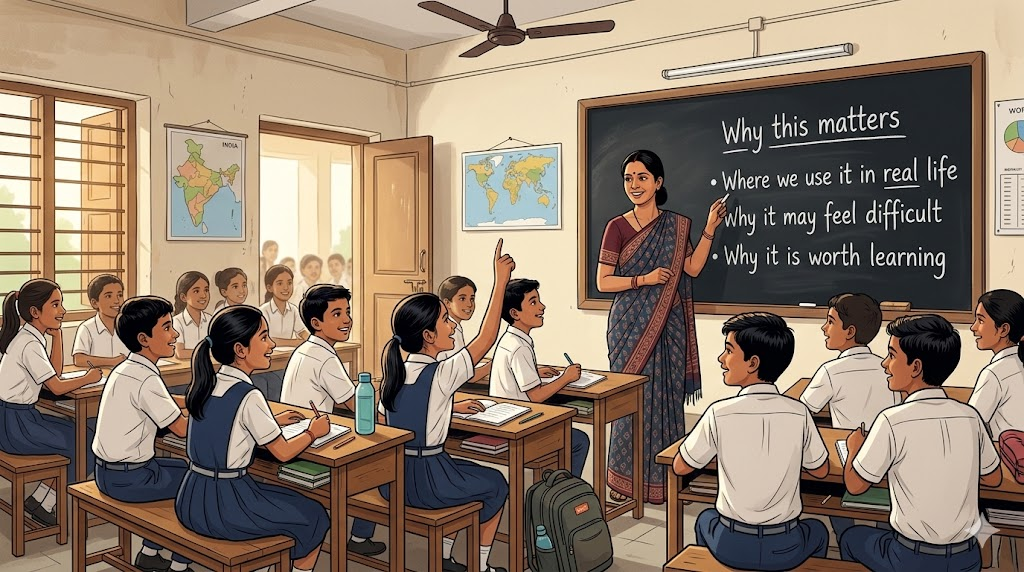
One of my teachers turned her whole class around by shifting from “completing the chapter” to “connecting the chapter.” She brought real examples, asked better questions, and the class opened up instantly. Children learn best when the teacher is present, curious, and genuinely invested.
A quote framed in my office guides me even today: “Passion and perseverance make everything possible.” It was given to me when I began my journey, and it still reminds me that teaching is a human profession — the more alive we are in the classroom, the more alive our students become.
Q5. If you could recommend one shift in mindset for teachers when it comes to assessments, something that will make them future-ready what would it be and why?
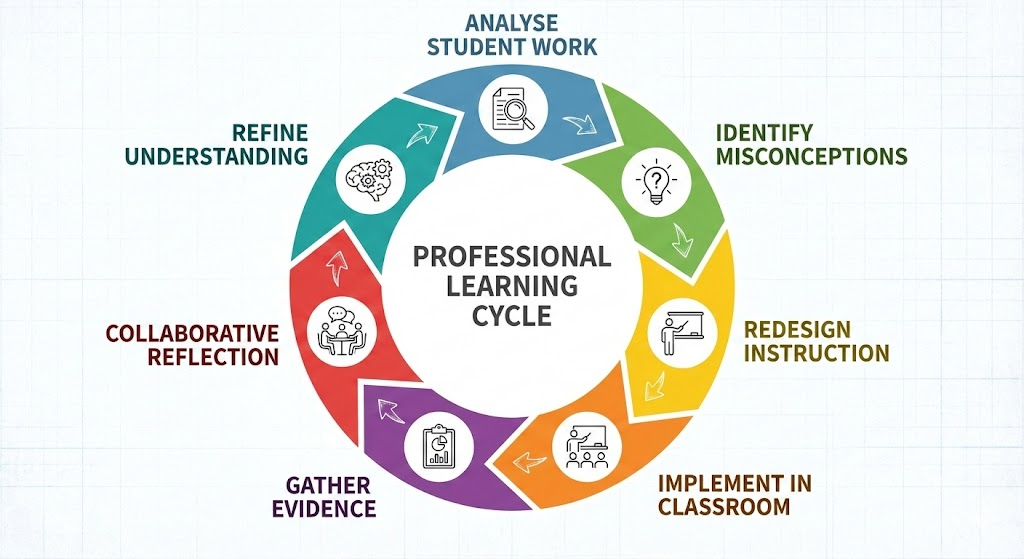
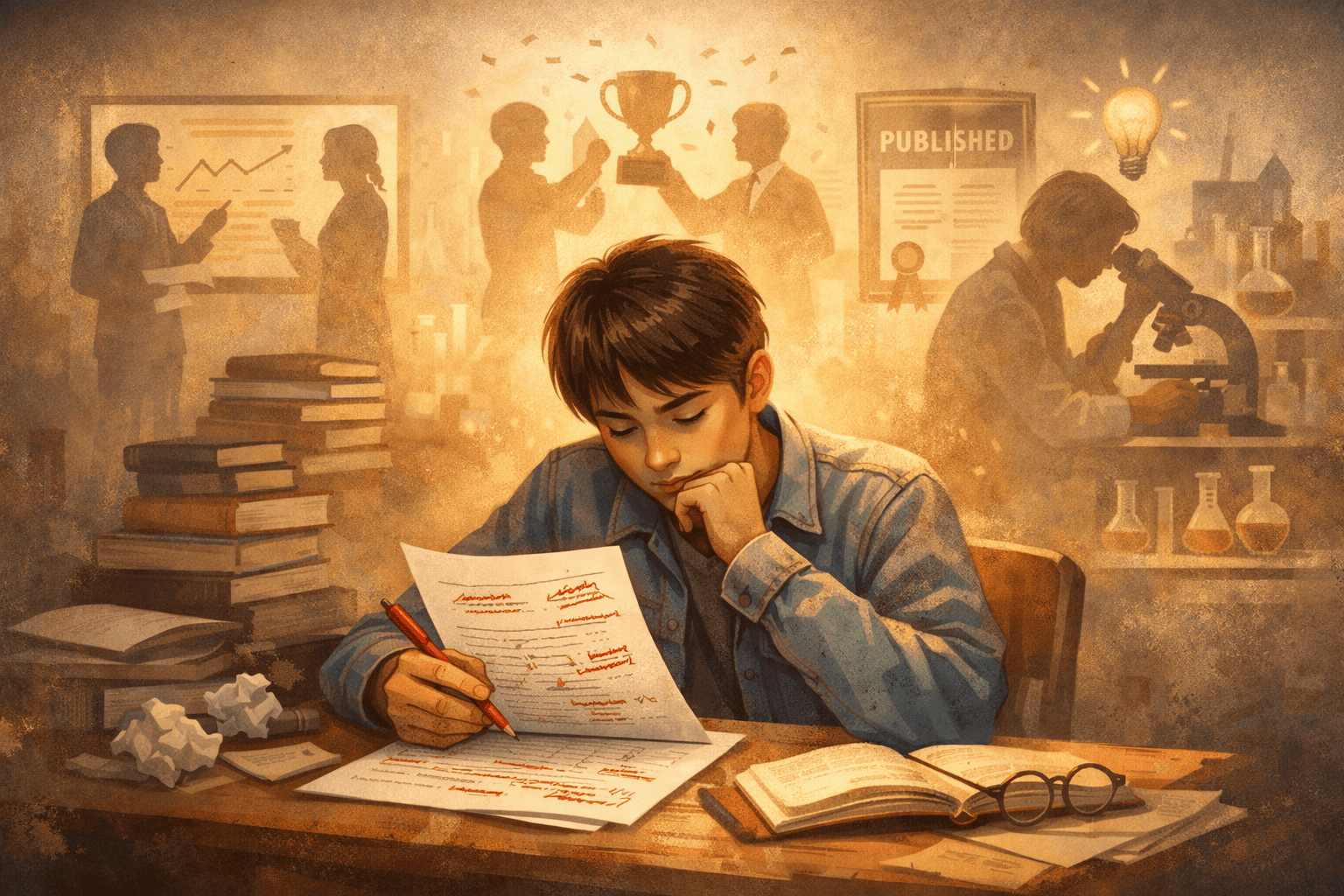
For a long time, most teachers have relied on memory and intuition to understand their students. That instinct is valuable, but to be future-ready, we need one shift: start seeing marks as meaningful data and not just numbers to enter after every test. When we look at assessments as patterns, not events, it becomes much easier to guide a child throughout their journey.
One example stayed with me. We had a tribal student who moved from a Gujarati-medium school into our English-medium CBSE system in Class 5. She was shy, unsure, and academically behind. But we tracked her progress in every small and big assessment, and used that information to mentor her—not once a year, but continuously. That consistency changed her life. She went on to clear both her Board exams and CA Foundation together.
From an underconfident, underachieving girl to a smiling, fast-paced CA finalist at 21 — that’s the power of reading assessments with heart, not fear.