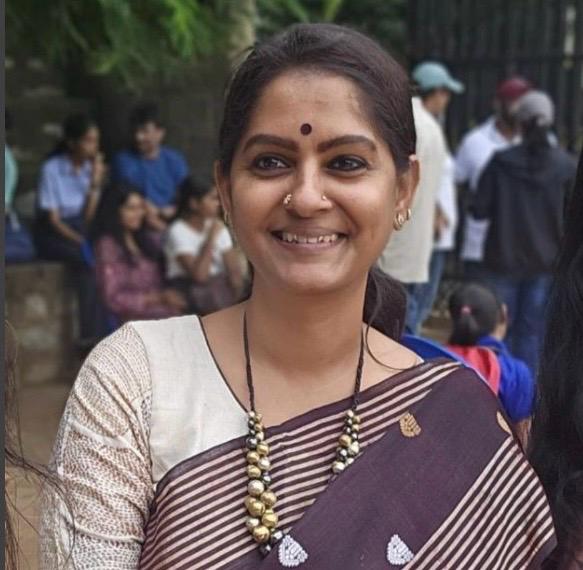
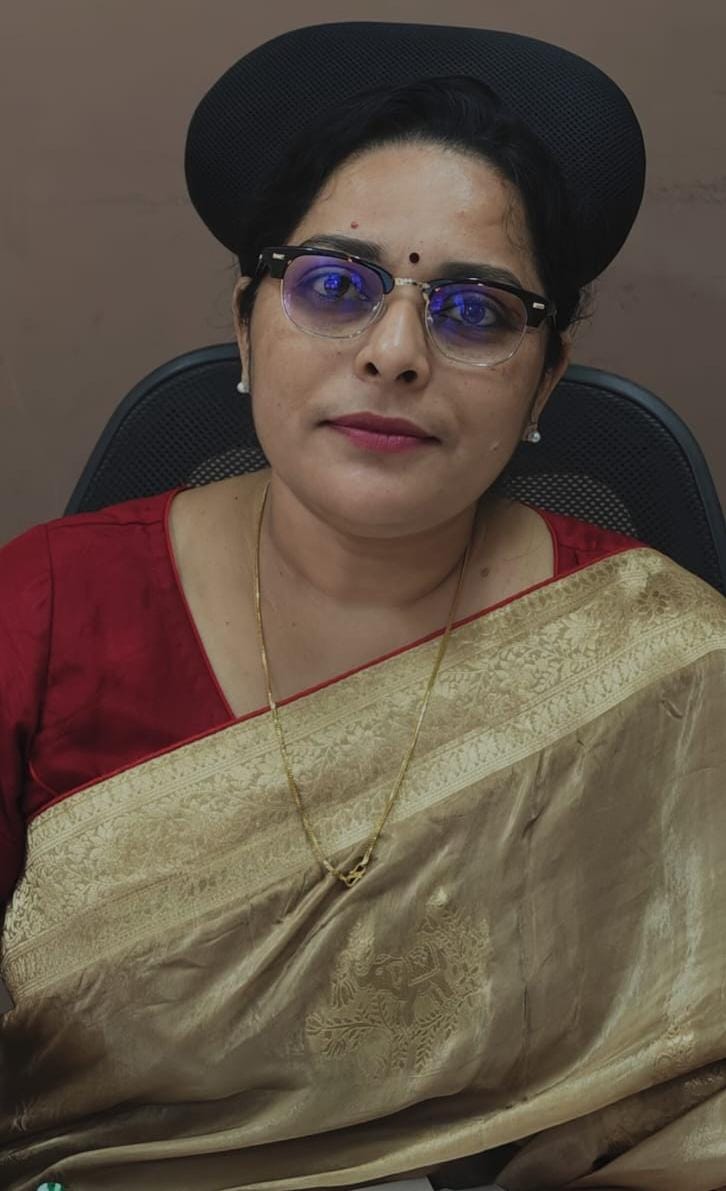
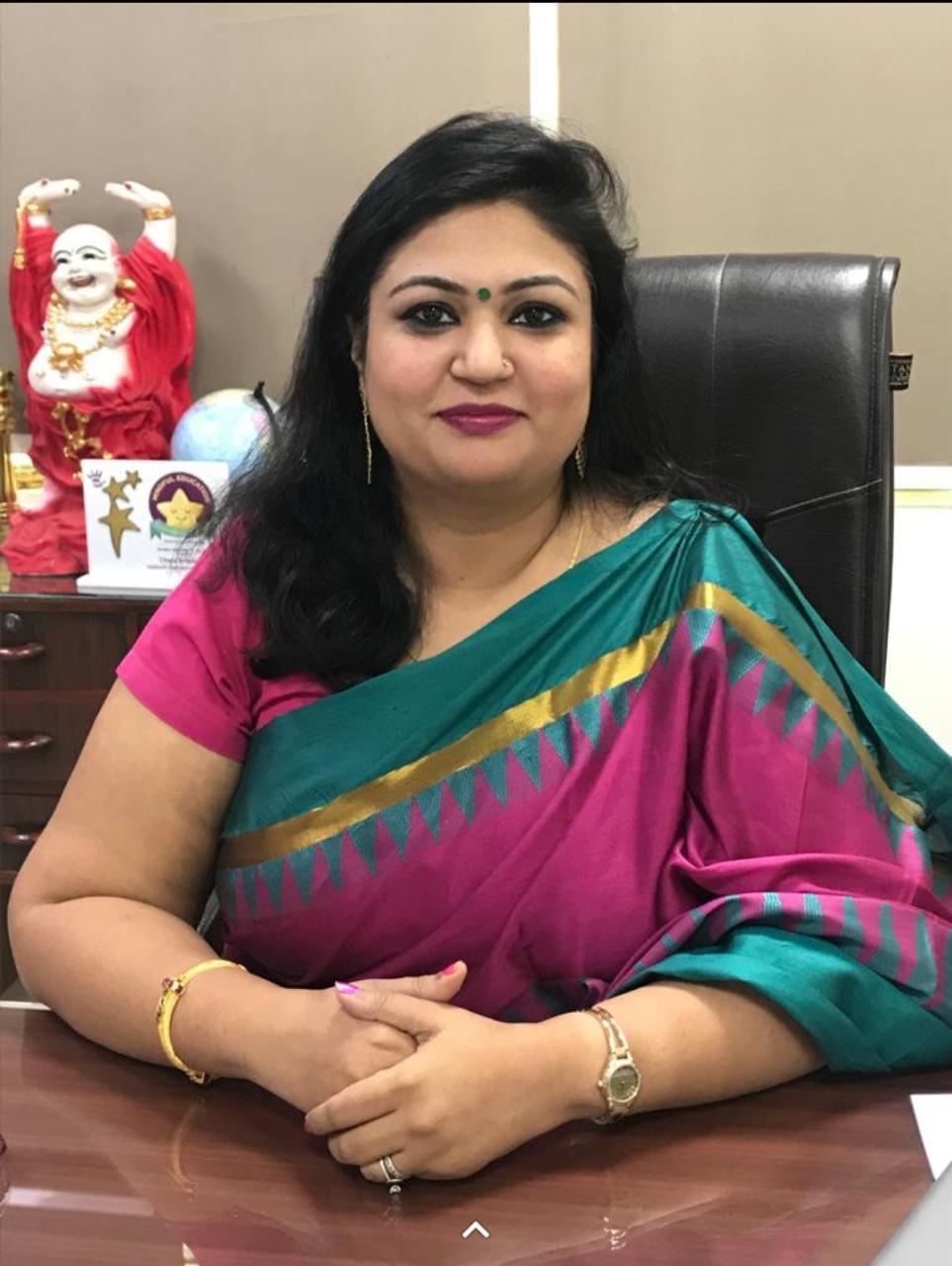
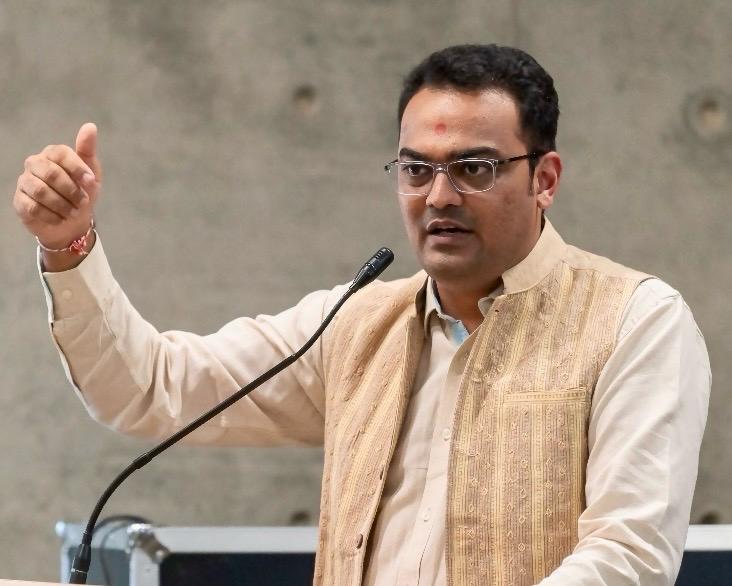
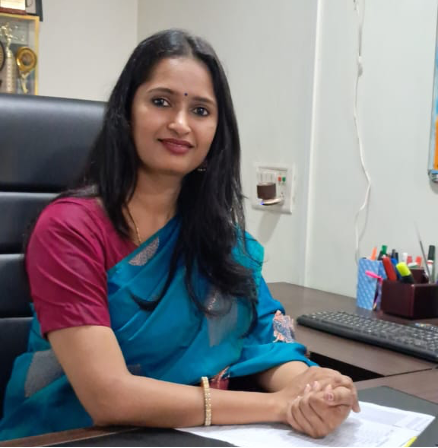
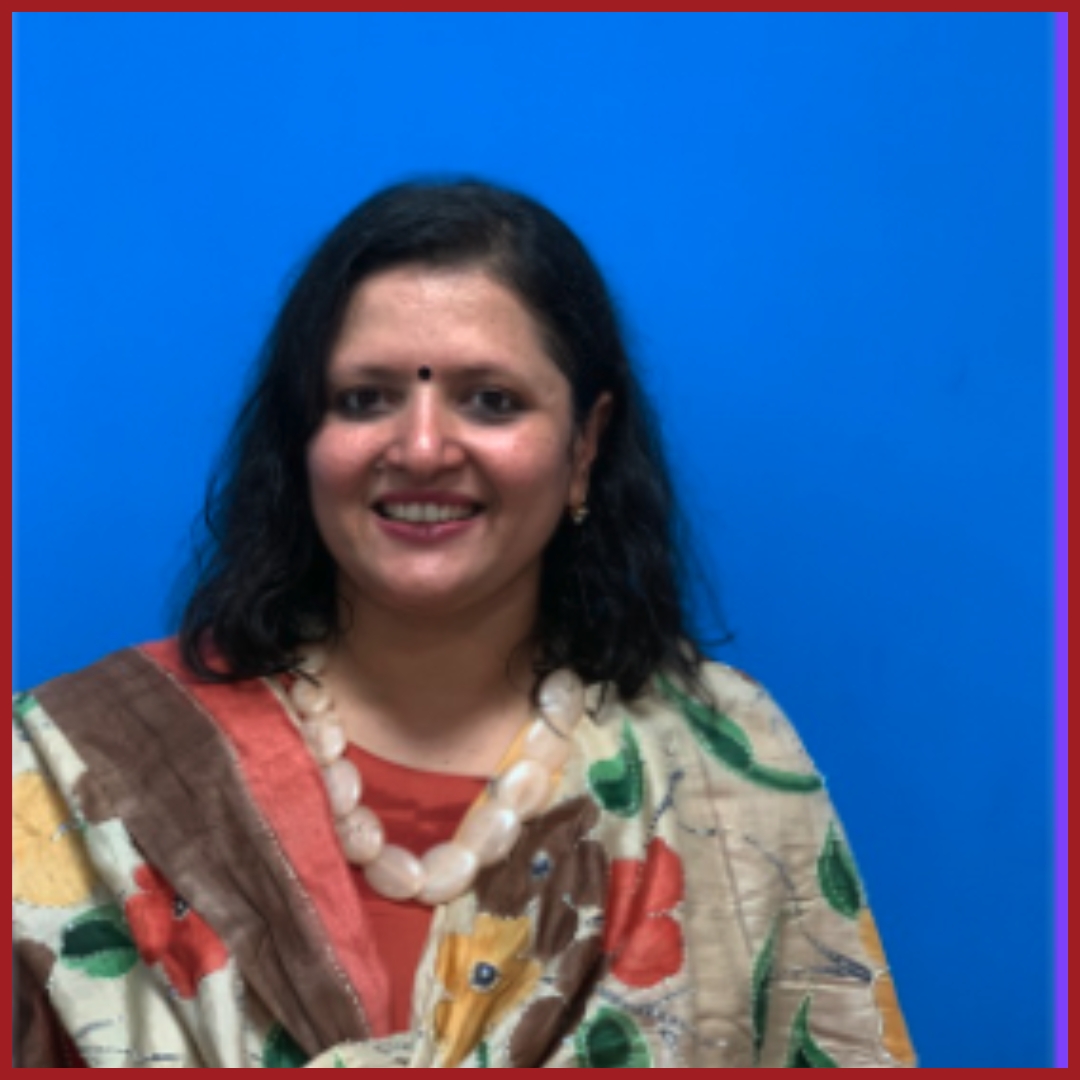
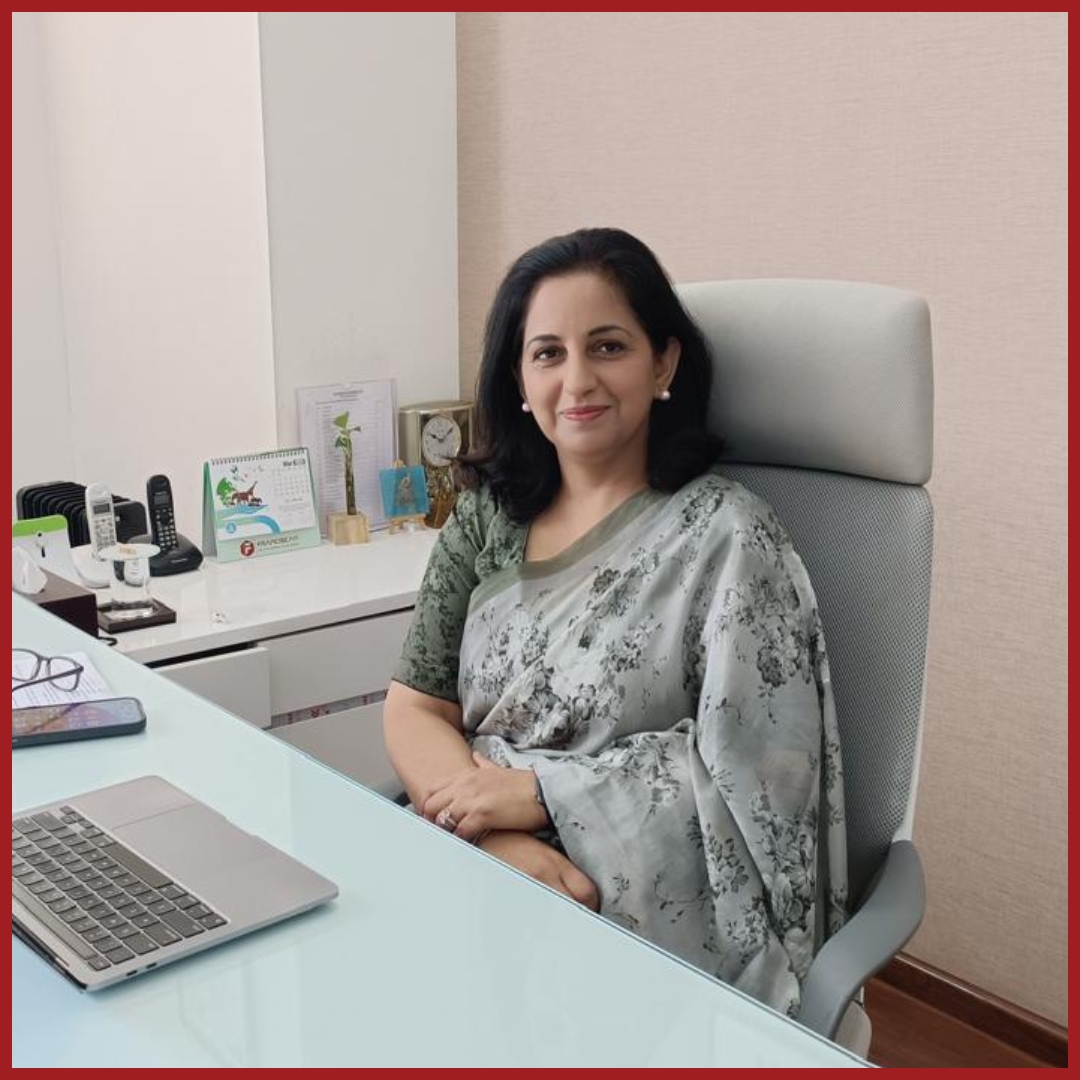
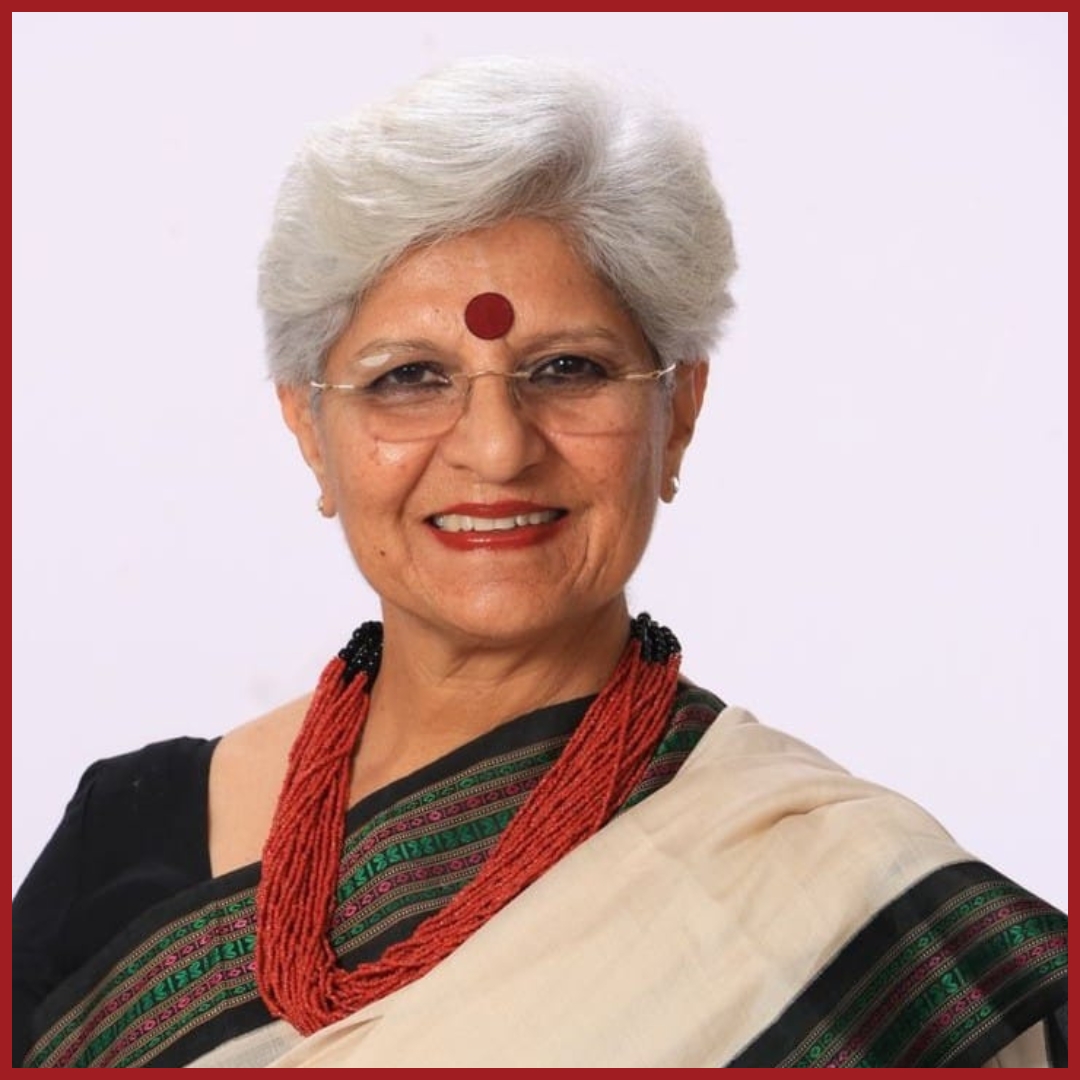
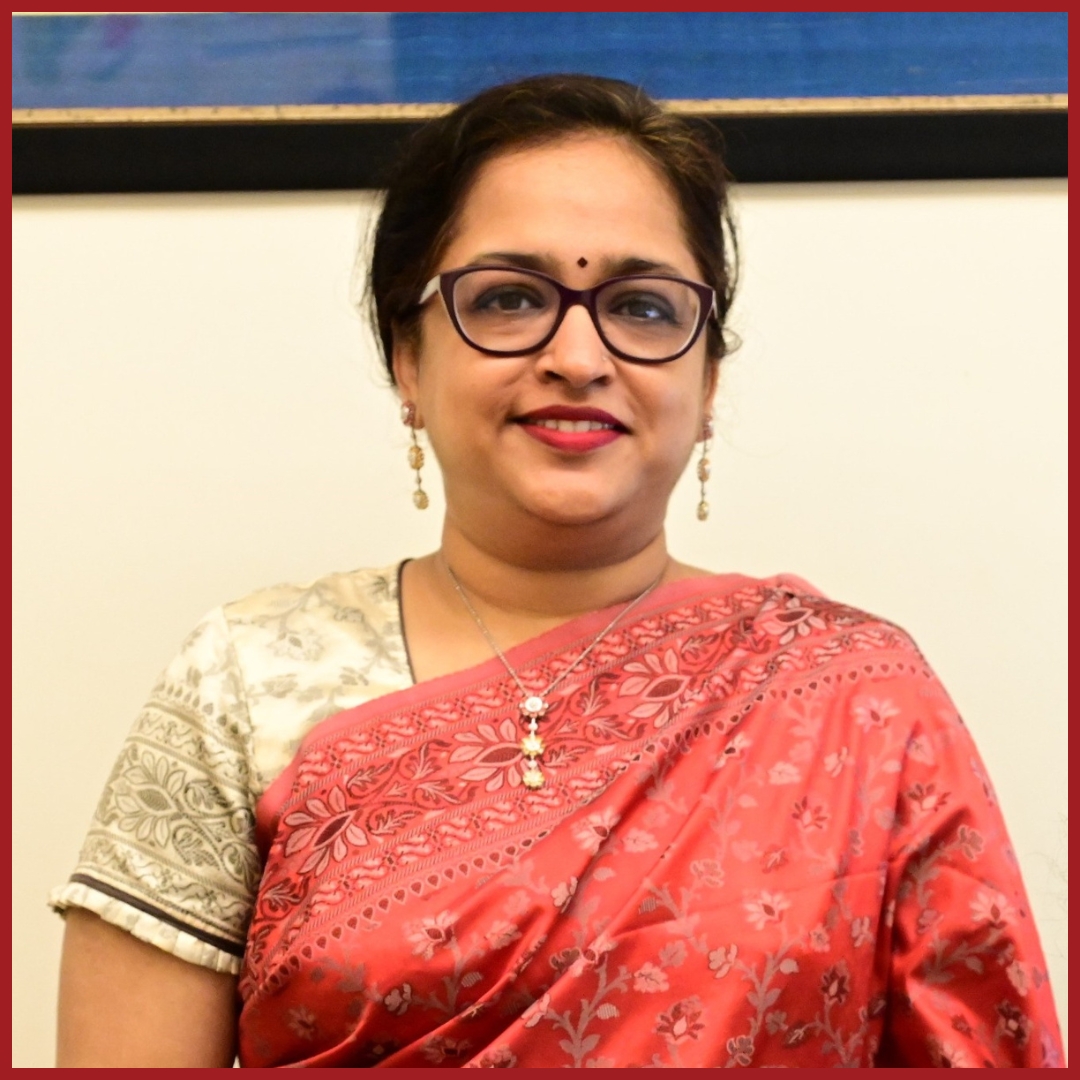
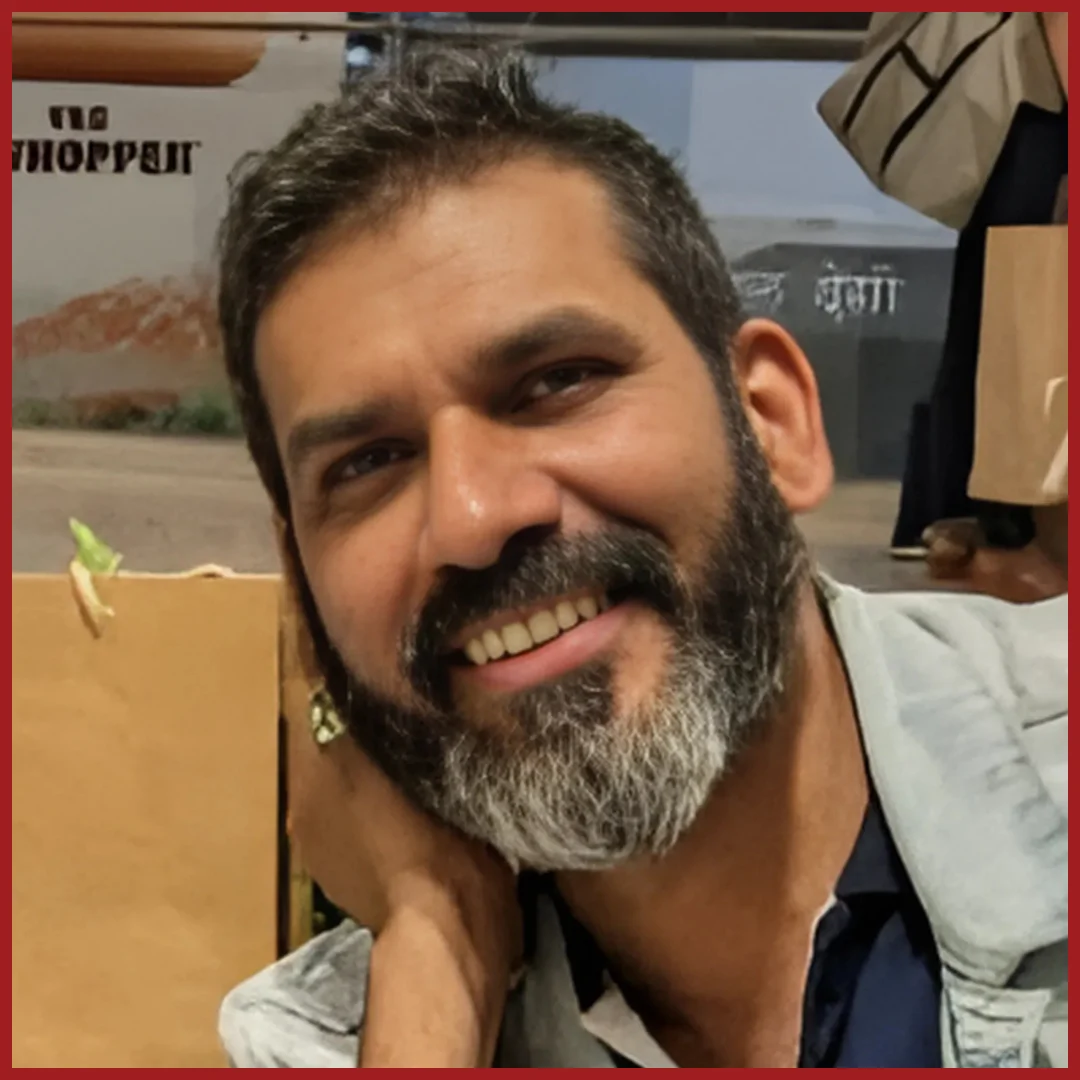
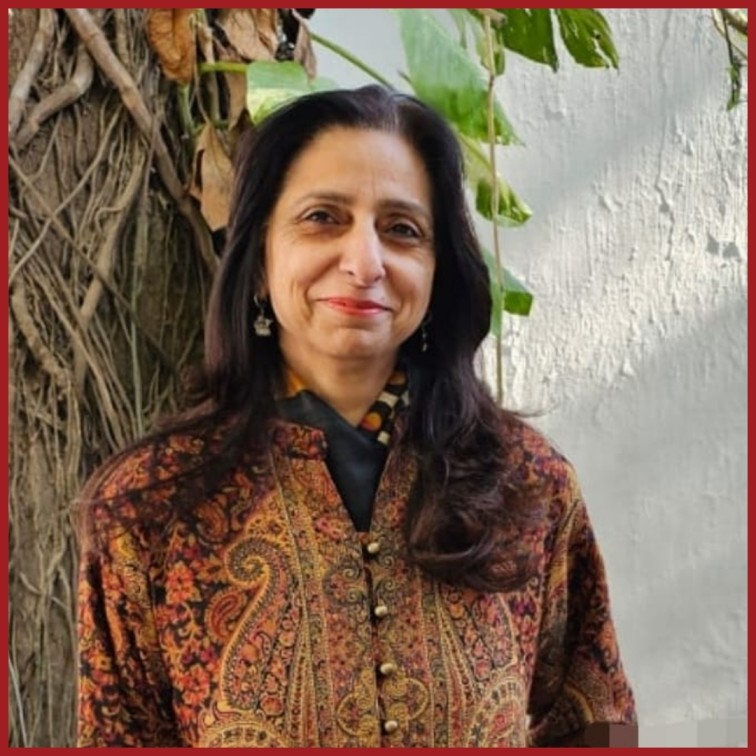
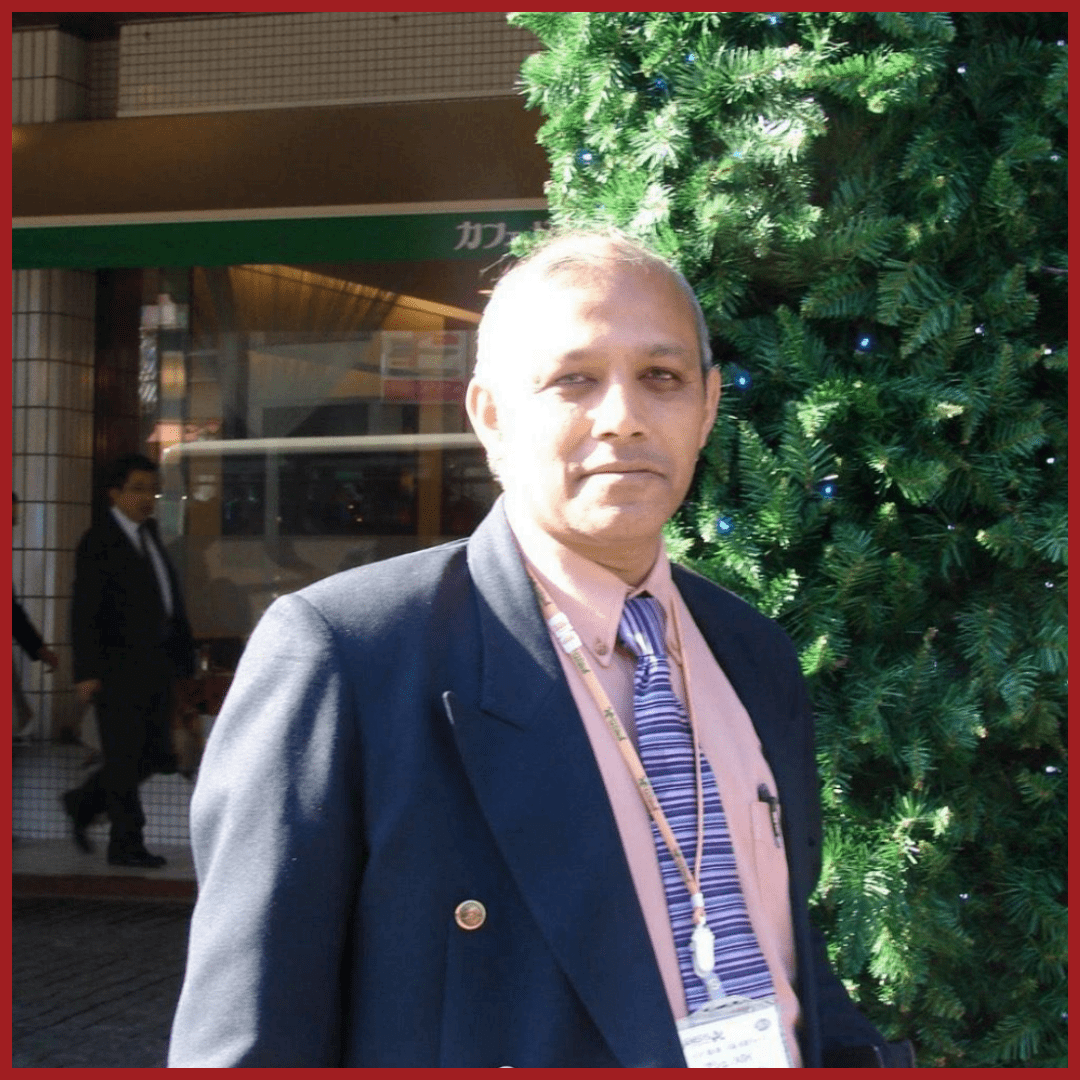
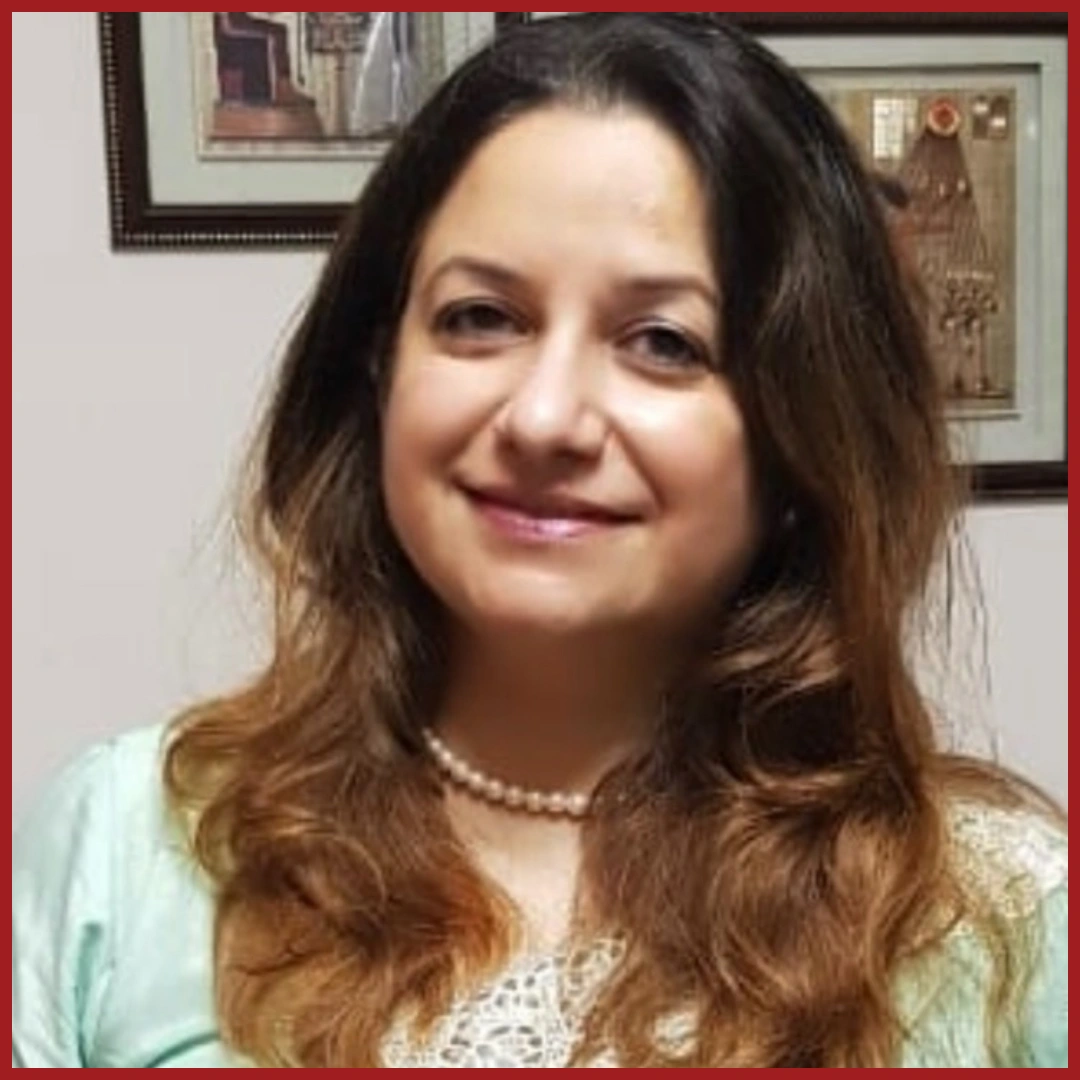
Sukanya is an accomplished academic leader with over two decades of experience in CBSE education, complemented by a degree from the United States and international teaching experience that broadened her instructional and leadership perspective early in her career. She brings together deep classroom expertise, academic administration, and whole-school leadership. She began her professional journey as a High School teacher of Computer Science and Mathematics and progressively moved into school leadership, going on to serve as Head of School and currently as Cluster Head of Academics. Across this journey, she has remained focused on strengthening instructional quality, empowering teachers, and improving student outcomes through structured, data-informed practices. Sukanya has driven measurable academic improvements through systematic monitoring, performance analytics, and targeted student improvement plans
Q1. In your journey as a leader, what is one long-held educational belief you’ve had to ‘unlearn’ to better serve today's generation of students?
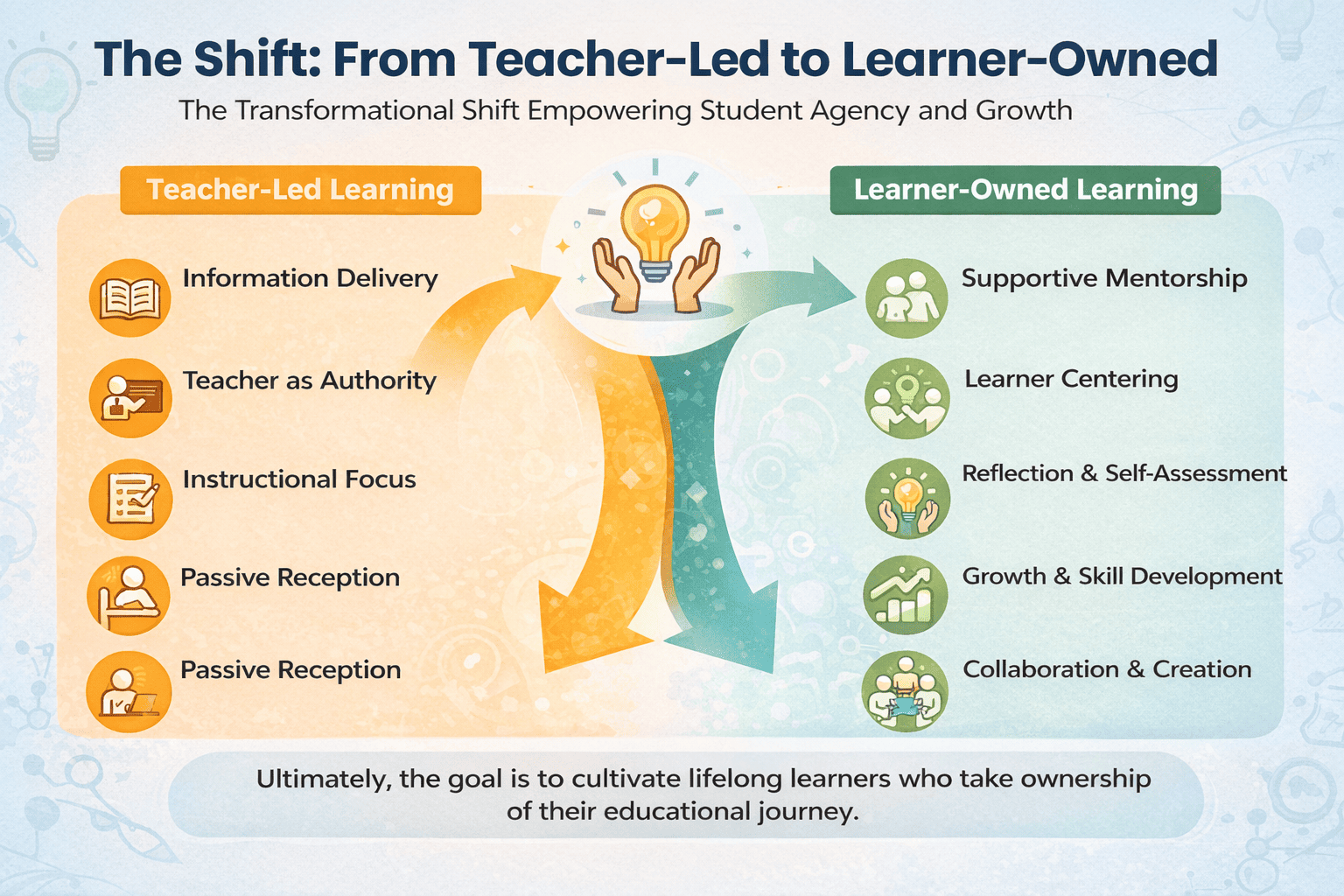
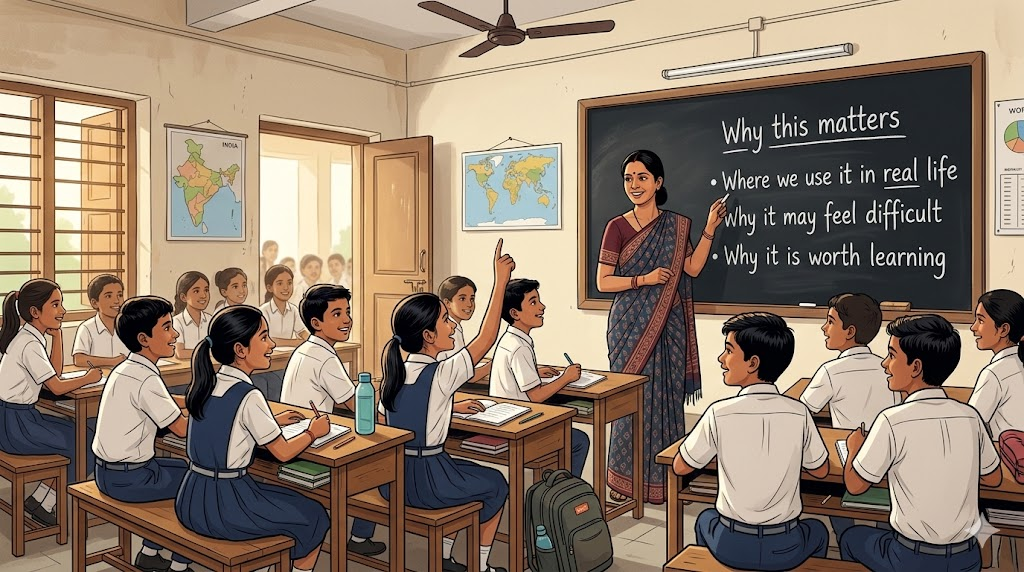
One belief I’ve had to consciously unlearn as an educational leader is that treating everyone the same automatically means being fair. Much earlier in my career, I felt that having common expectations, uniform processes, and standard measures for both students and teachers was the right approach. Over time, I’ve seen how different each learner and educator really is – in readiness, context, strengths, and challenges. Real fairness is not sameness; it is responsiveness. It means offering differentiated learning for students and personalised support and growth pathways for teachers so each can progress meaningfully.
Q2. If we move away from traditional metrics like grades and college placements, what three ‘invisible’ qualities would you want a graduate of your school to possess?
Empathy, resilience, and self-awareness together form the inner foundation I would want every graduate to develop and carry forward. In today’s fast-moving world, students are exposed to highly varied influences and constant signals about who they should be, which can easily create confusion. Self-awareness acts as a steady inner compass — helping them understand their values, strengths, triggers, and direction. Empathy grows from that awareness and turns it outward, enabling them to relate to others with sensitivity and respect, and to adapt gracefully in diverse and volatile situations. Resilience completes this circle — encouraging them to persist, keep learning, and stretch beyond comfort, even when choices are many and setbacks are real. These are the three invisible qualities I most hope to see in every graduate from my school making them grounded, humane, and future-ready individuals.
Q3. When you eventually move on from your current role and look back, what is the one cultural shift you hope remains permanently embedded in the DNA of your institution?
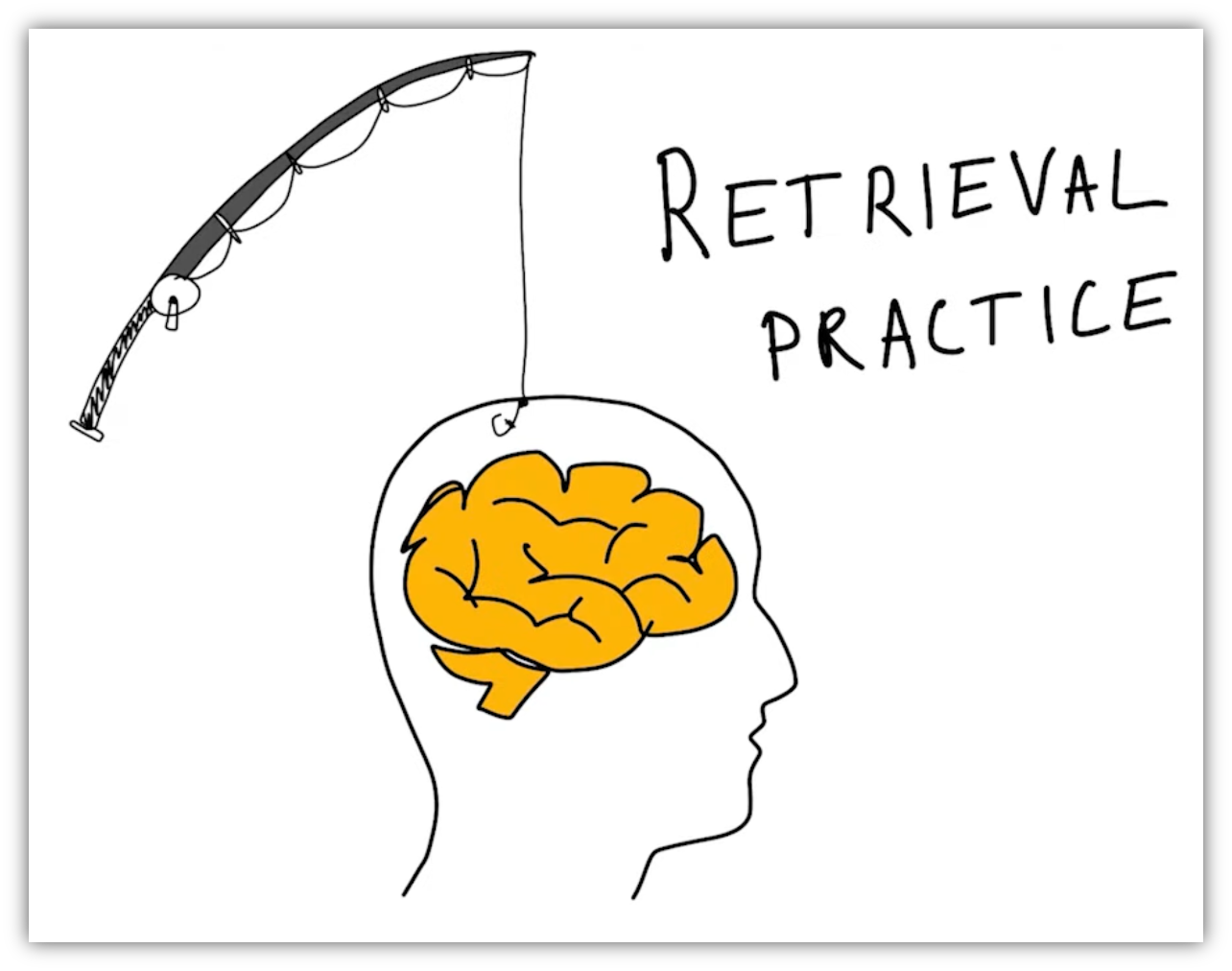
When I eventually move on from my role, the one cultural shift I hope will remain permanently embedded in the DNA of the institution is a deeply rooted growth culture one that no longer depends on external pushes or constant motivation. While the idea of a growth mindset is present today, it still often needs reminders and nudges, because it is human nature to fall back on what feels comfortable, familiar, and proven. My hope is that learning, unlearning, and experimenting become the natural way we work and that continuous improvement becomes instinctive rather than instructed.
Q4. Assessment data can often feel cold or clinical to the teachers. How do you coach your teachers to look past the numbers to see the individual child’s story hidden within the data?
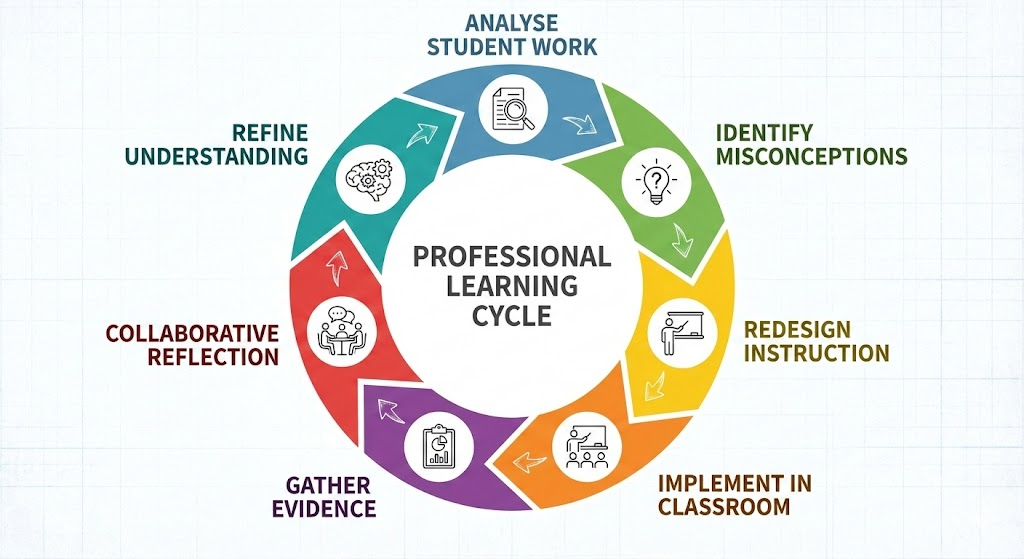
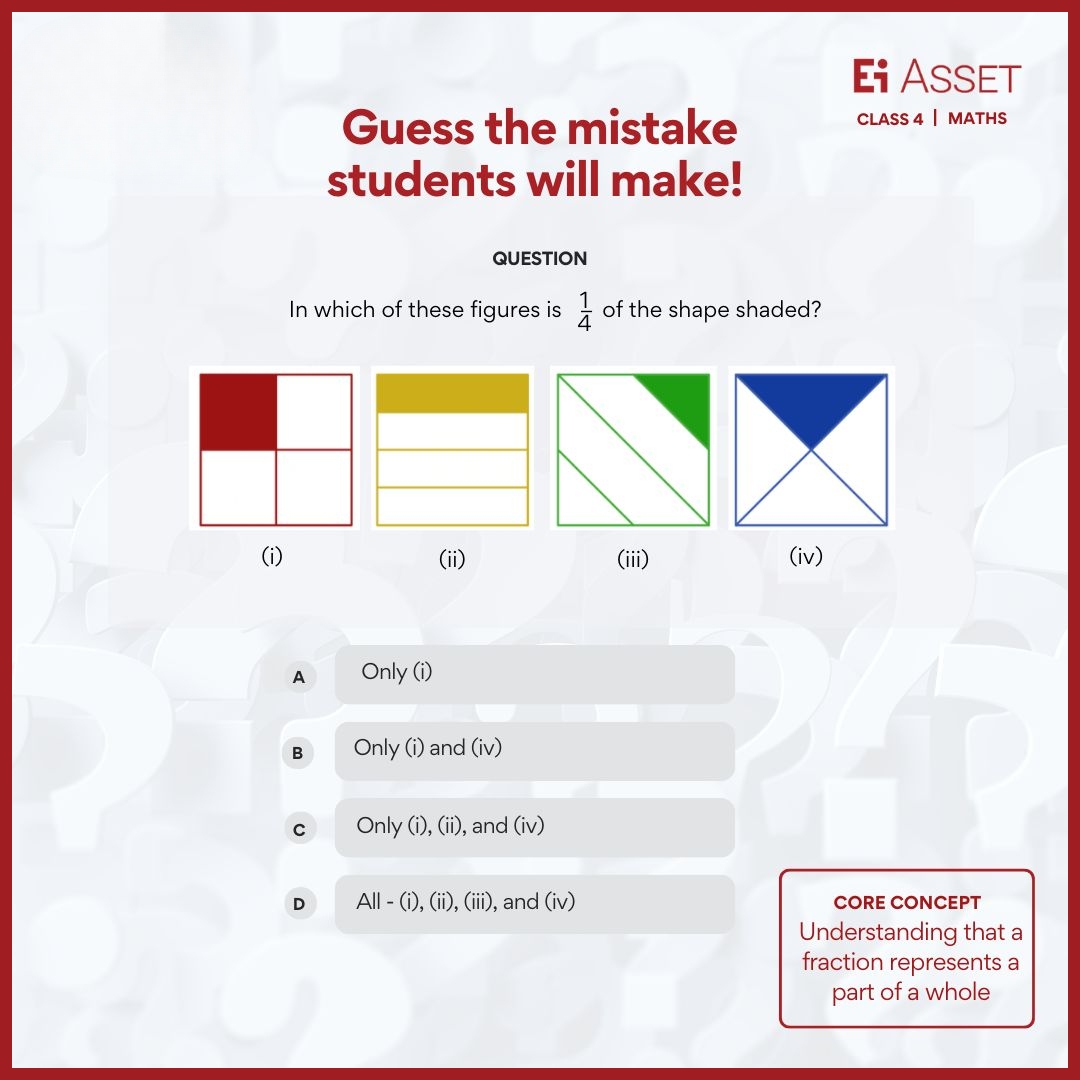
I encourage teachers to see assessment data not as a verdict, but as a set of clues about how a child is learning. We start by looking at learning patterns, not just marks, but trends over time, the kinds of mistakes students make, and where understanding starts to break down. I stress compassionate interpretation, pausing to ask what might sit behind the score: confidence, gaps in foundations, language comfort, or even what the child was going through that week. I also make space for student voice, through simple reflections and conversations, because students often explain their learning better than numbers can. Most importantly, we connect this to instructional response, what we will change in teaching next, so the data leads to action and support, not labels.
Q5. If you were to meet a new teacher starting his career, what are the three most important skills you will guide him to learn?
If I were to meet a new teacher starting their career; especially someone who has already completed the professional qualification and understands the theor, I would share three things from experience that matter most in real classrooms:
reflective practice, learner empathy, and a continuous learning mindset.
I would suggest building the habit of reflecting on one’s own teaching every day. After each lesson, take a few minutes to think about what clicked, where students struggled, and what could be done differently next time. Those small, honest reflections shape strong teachers over time — far more than any textbook strategy.
I would also encourage developing learner empathy – making a conscious effort to see the class from the student’s side of the desk. When you understand their anxieties, pace, and motivations, your responses become more patient, practical, and effective.
And I would strongly recommend continuing to invest in personal learning. Education keeps evolving, and so must teachers. Those who stay curious, upgrade their skills, and remain learners themselves, tend to stay relevant and impactful.