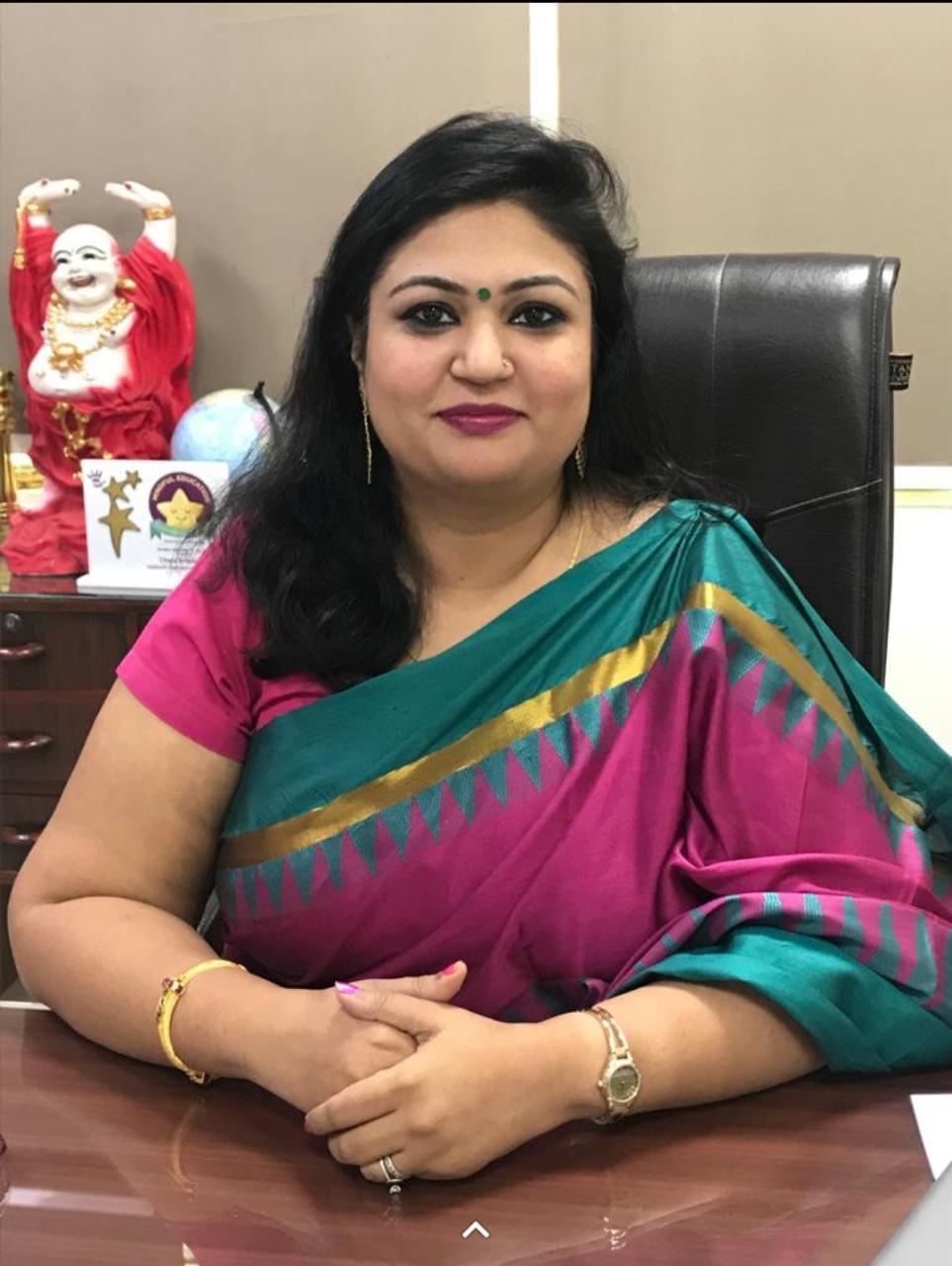
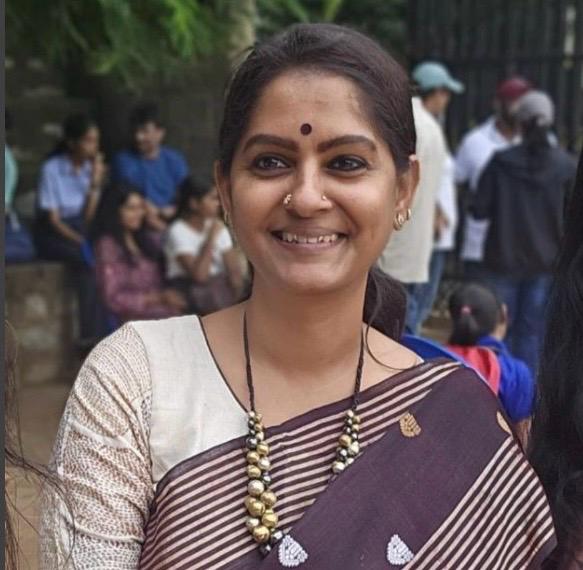
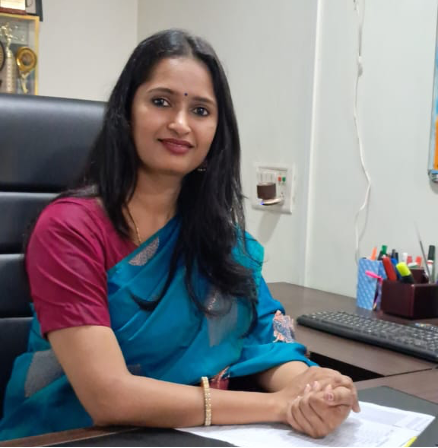
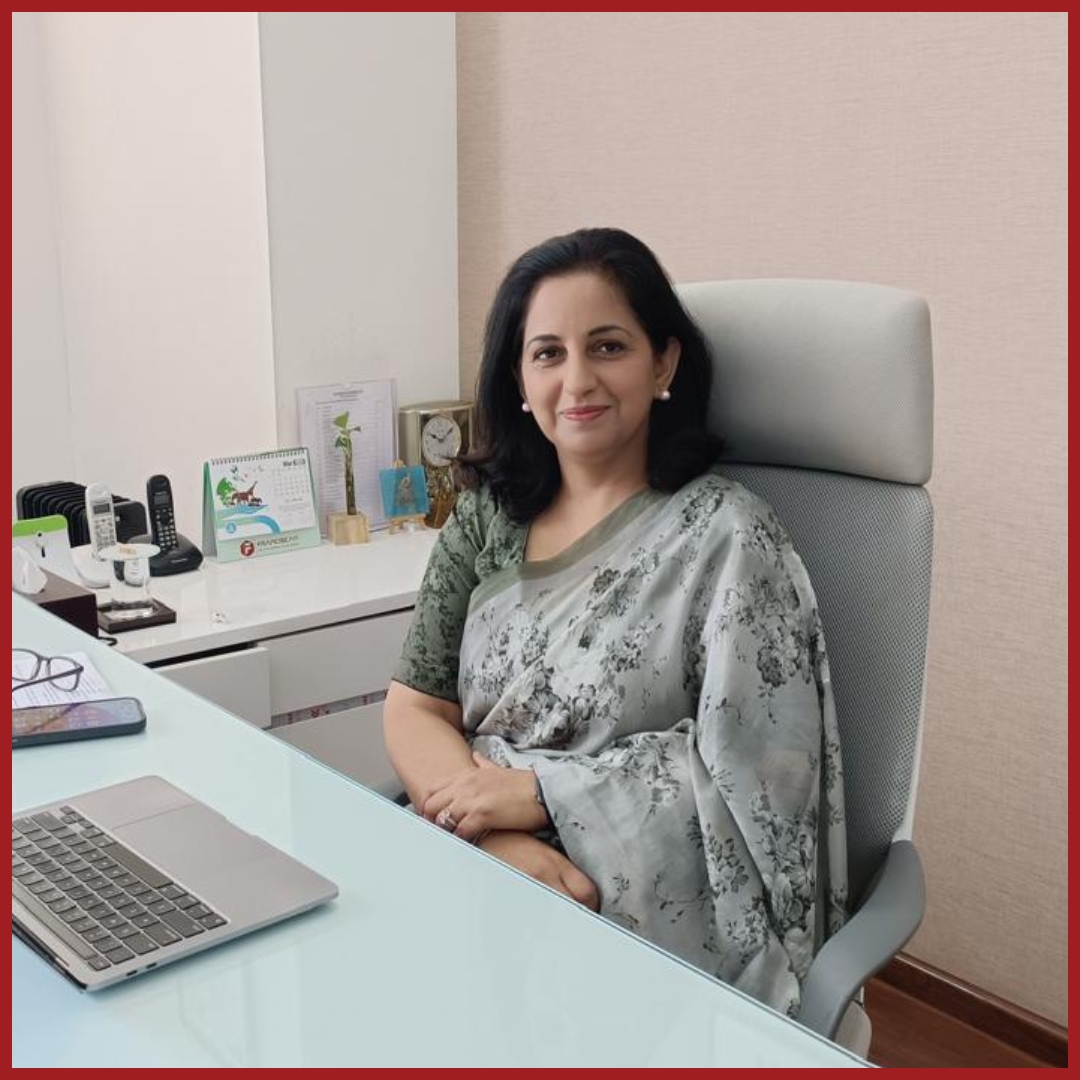
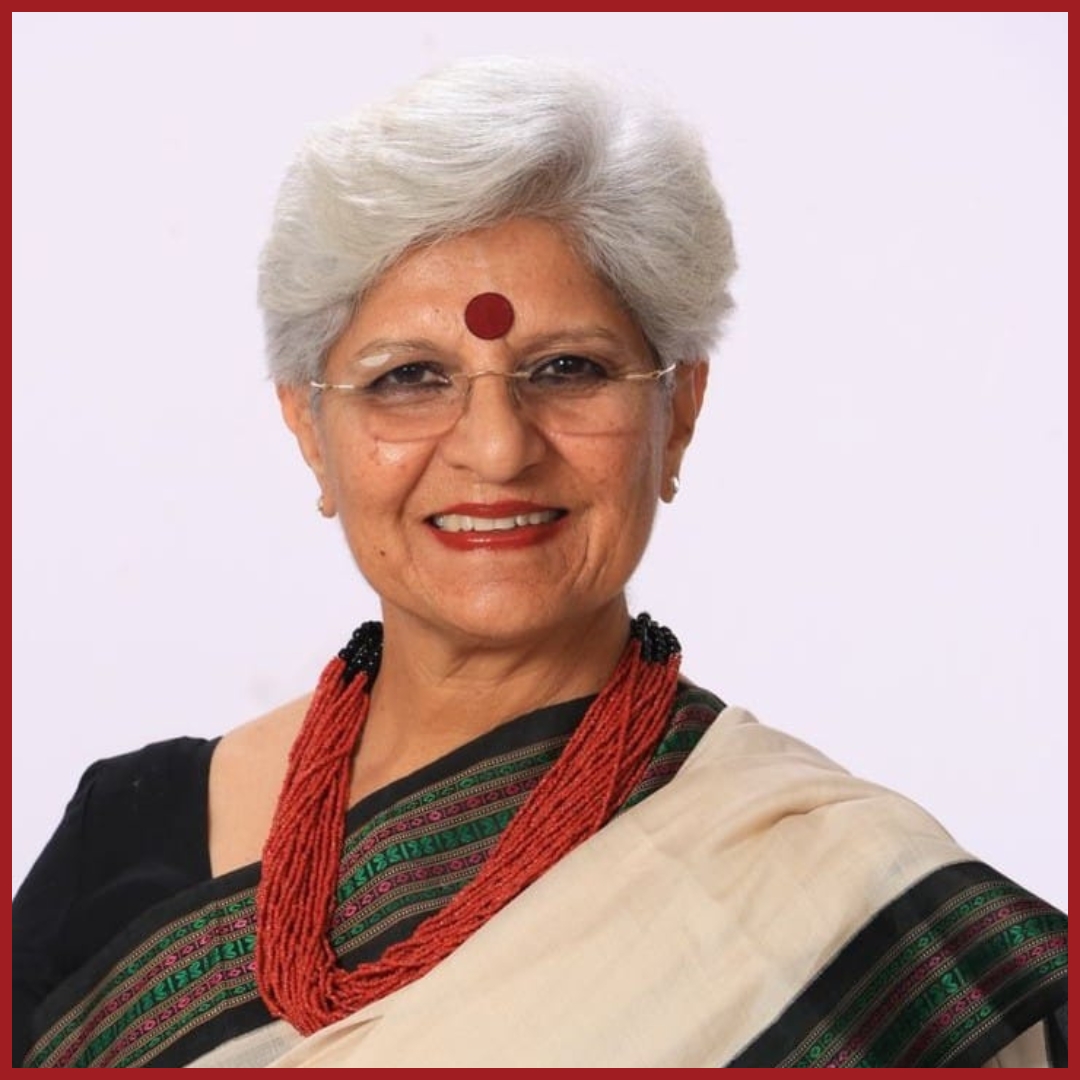
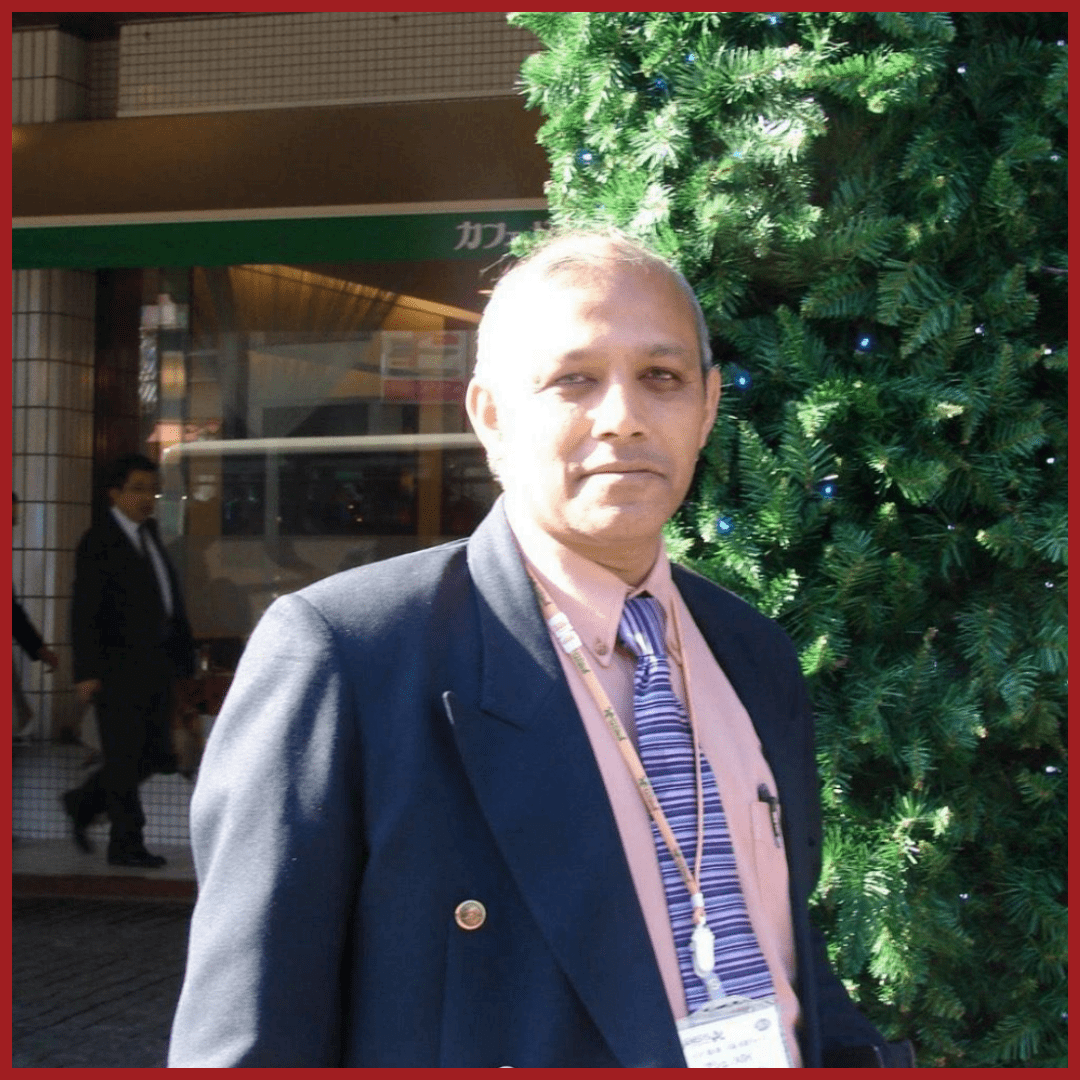
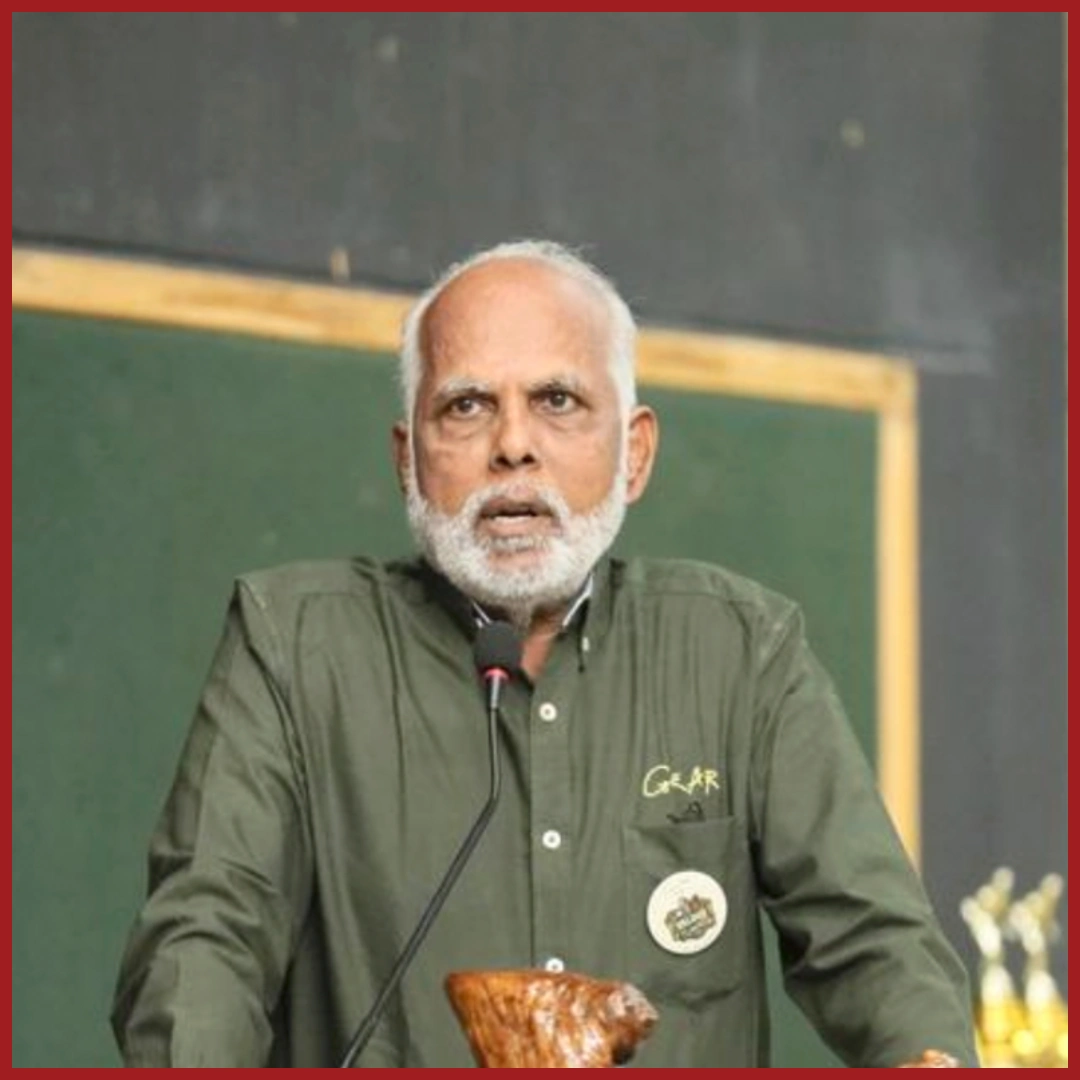
Charu Srivastava is a young and dynamic educationist with experience across schools, corporate, and government-run institutions. An alumna of Sardar Patel Vidyalaya and the University of Delhi, she holds a Master’s degree in Education and an M.Phil. in English Literature. She has worked as an English teacher, Head of Department, school coordinator, and lecturer at NCERT, and has trained over 2,500 teachers across India on 21st-century pedagogy and assessment. As a school leader, she has led curriculum innovation, introduced interdisciplinary subjects, and designed key academic and institutional frameworks, while initiating programmes that enrich both teacher and student development.
She has been recognised with several national honours, including ‘The Youngest Best Principal Award’, Leadership Excellence Award, Shiksha Gaurav Samman, Star Woman Award (Academic Skills), Inspiring Education Hero Award, Education Excellence Award, and the Dr Sarvepalli Radhakrishnan Award. She has served as Director Principal of The Samarth School and as Principal at JM International School, and is currently the Principal of Shri Ram Global School, Greater Noida West, UP.
Q1. Based on your experience, what have been some of your key insights and experiences about working with children today vis-a-vis’ children in the previous decade?
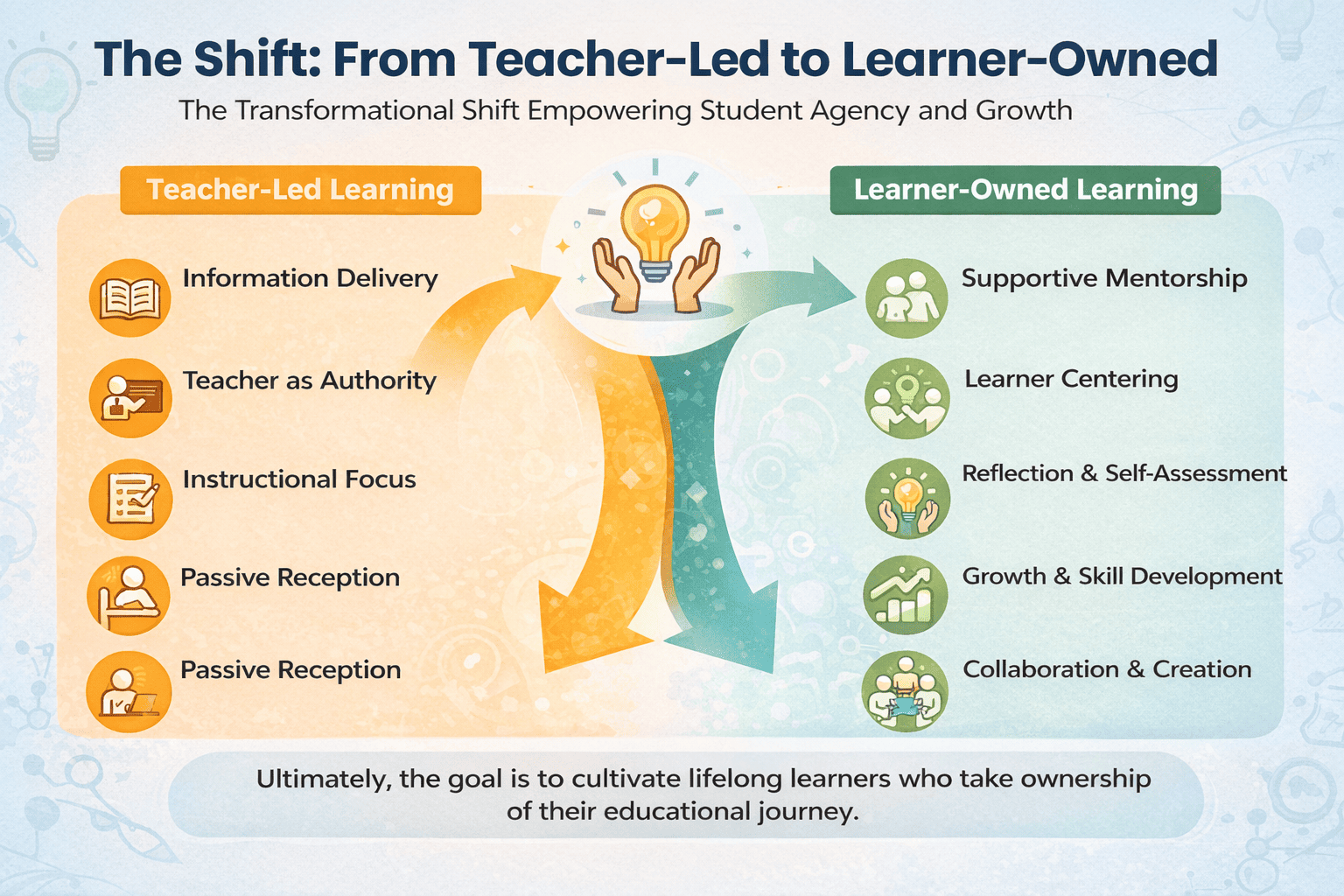
Children today demonstrate higher levels of awareness, self-expression, and decision-making. As compared to the children in the previous decade, one finds that children of this century are very vocal about their feelings, likes, and dislikes. One can say that children today are multi-skilled and can handle multiple tasks. As the NEP 2020 calls it, we witness a lot of learner autonomy in today’s classrooms. They are fearless and more compassionate, also. They can think for themselves and for everyone around us! They are solution finders.
Q2. What will be your top three pieces of advice for someone heading a school for the first time?
My top three advices are:
Set a vision and mission for your school. The vision and mission of the school are the first steps to building the school culture, admissions and recruitment policies, curriculum design, etc. A clear school vision and mission define a sense of purpose and pathway for all members of the school.
Be fearless and have faith in your school team. Don’t be afraid to try out novel ideas. You never know if they will become your flagship programmes. With piloting new projects comes reflective practice.
Work as a team member. One must practice participative leadership. Seek everyone’s suggestions and inputs. The team members can give a very clear perspective of the students and parents that the school caters, what will work and what might not which will help you plan your initiatives better. Since we are not a one-man army, it is important to decentralize the authority and enable the subordinates to carry out tasks, reflect, improve, and eventually acquire leadership qualities. A good head always creates more good heads!
Q3. To strengthen assessment literacy for their educators, what are some of the aspects, each today should be trained on?
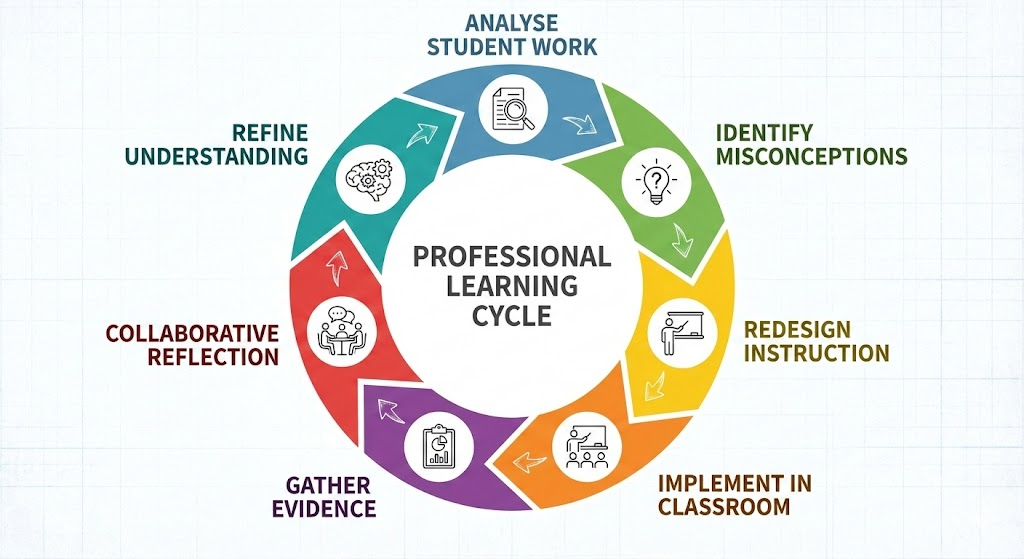
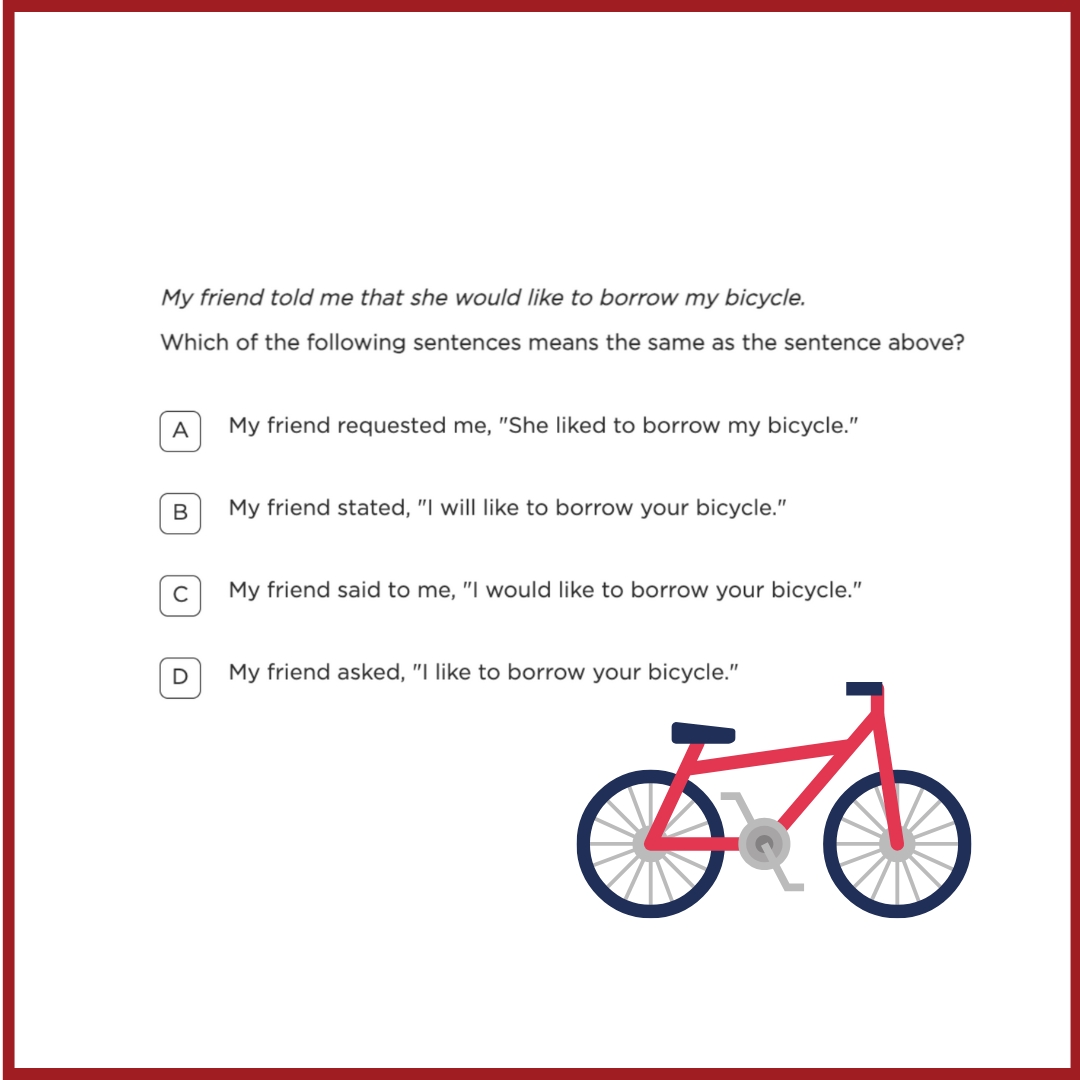
As per NEP 2020, each educator today needs a hands – on mastery of types of assessments, a variety of assessment modes, and analysis of the results. The educators must be able to analyse assessment data meaningfully to identify individual learner strengths, gaps, and learning needs. Such data-informed practices enable timely feedback, personalised instruction, and targeted interventions—key elements of NEP 2020’s focus on assessment for learning rather than assessment of learning.
Q4. If you were to advise a new teacher on developing new skills, what would your top 3 skills be?
Top three skills a teacher must possess:
Adaptability and learnability To imbibe the school’s mission and vision and carry out all tasks around these. Also, in order to stay relevant, a teacher must continue to learn more about his/her subject, approaches to teaching, and assessments. Once a teacher, always a learner!
Digital Literacy and analytics The teacher must know why, when, and what of technology is to be employed in the teaching and learning processes. This is called purposeful integration of technology. Also, one should be able to dissect the given data and plan the next differentiated action for each learner.
Communication with compassion and belief in the child. A child will do well only if we believe s/he will. Therefore, it is important to use the right vocabulary, whether we are teaching in the classroom or sharing an assessment report. Sensitivity, respect, and using a language that builds confidence and motivation strengthen the teacher-student bond and enable the child learn faster. A child will always remember a teacher who raised him/her with care, courage, and compassion.
Q5. If an academic leader was working on improving the learning outcomes in their school, what should be the top 3 indicators they should focus on.
Learning outcomes have to be measurable, relevant, and very specific. They should align with the context of the lesson more than the content of the lesson. Academic leaders should prioritise outcomes that reflect conceptual understanding, application of knowledge, experiential learning, and development of higher-order skills such as critical thinking, creativity, collaboration, and problem-solving. Competency-based education is what we are all gearing up for. Hence, apart from knowing, we must also write learning outcomes that indicate experiential learning and development of skill sets.