Discover thought-provoking book recommendations tailored for educators. Each pick includes
a concise synopsis and actionable takeaways to inspire and enrich teaching practices.
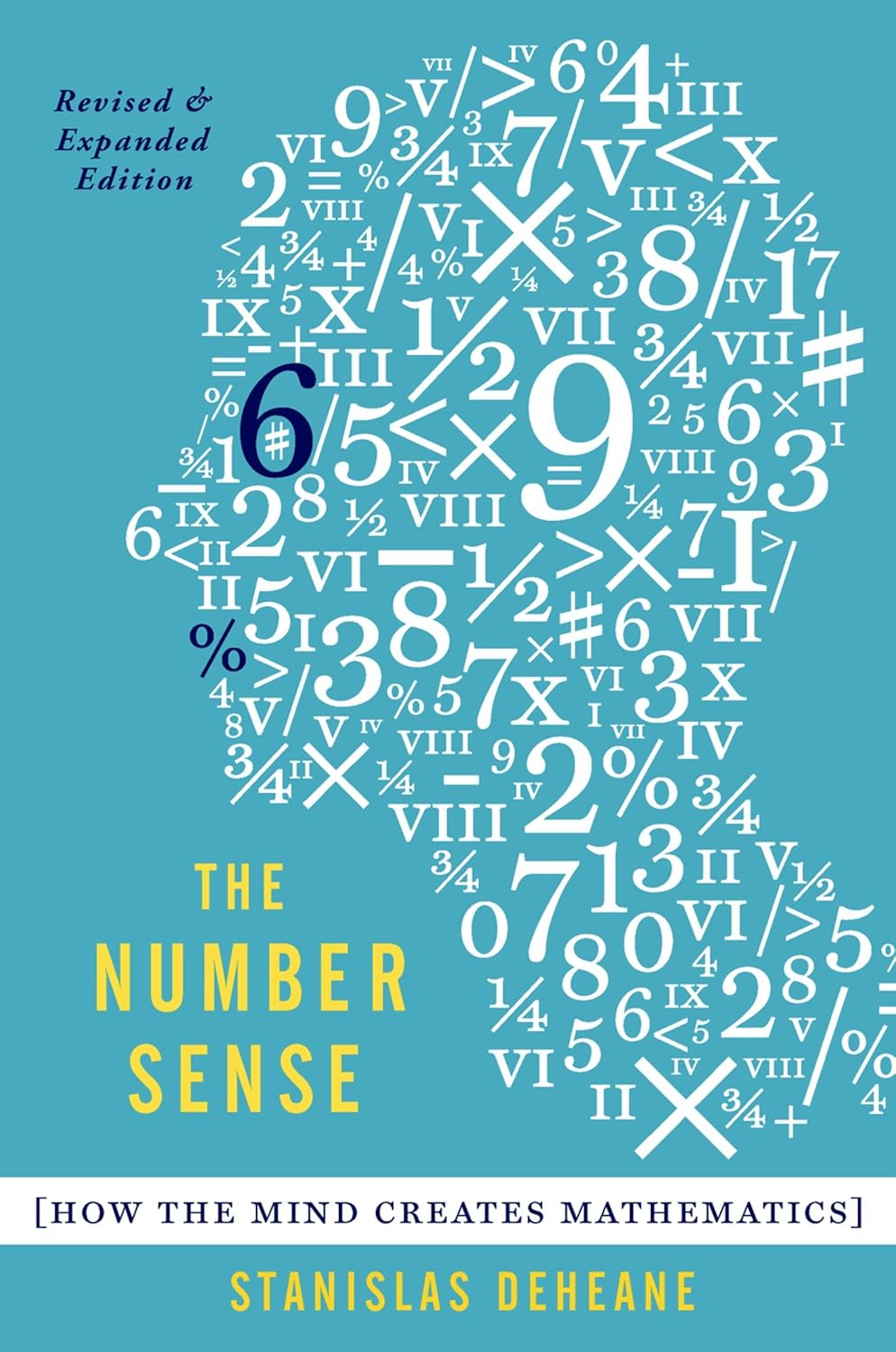
In The Number Sense: How the Mind Creates Mathematics, cognitive neuroscientist Stanislas Dehaene explores one of the most fascinating questions in learning: Why do humans understand numbers at all? Drawing on research from neuroscience, psychology, and education, Dehaene argues that humans are born with an intuitive sense of quantity which forms the foundation of mathematical thinking.
The book shows that even infants and animals possess a rudimentary ability to estimate and compare quantities. This intuitive system, often called the approximate number system, allows humans to make rough numerical judgments long before formal schooling begins. Mathematics, therefore, is not merely a cultural invention taught in classrooms. It builds upon deep cognitive structures already present in the human brain.
Through experiments with children, brain imaging studies, and cross-cultural research, Dehaene demonstrates how the brain gradually transforms this intuitive sense of quantity into the symbolic mathematics taught in school. The book provides a powerful scientific perspective on how mathematical understanding develops and why some students struggle with numbers.
Why Teachers Will Find This Useful:
Teachers will find this book valuable because it connects how the brain processes numbers with how mathematics should be taught in classrooms.
Understanding early numerical intuition: Recognise that children enter school with informal number intuitions that can be used as a starting point for teaching.
Strengthening conceptual understanding: Appreciate the importance of linking symbols such as digits and number words to meaningful quantities.
Identifying learning difficulties: Gain insight into conditions such as dyscalculia and why some students struggle with numerical understanding.
Designing better instruction: Use intuitive estimation, number comparison, and visual quantity representation to support deeper mathematical learning.
By understanding the cognitive foundations of number, teachers can move beyond procedural teaching and help students develop genuine mathematical understanding.
Why We Recommend It:
Many teachers have experienced a familiar classroom moment: a student can perform a calculation mechanically but cannot explain why the answer makes sense. Dehaene’s work helps explain this gap.
The book reminds us that mathematics learning should not begin with abstract rules alone. It should begin with the intuitive sense of quantity that children already possess. When teaching ignores this foundation and focuses only on procedures, students may learn to manipulate symbols without understanding the underlying quantities.
Dehaene’s writing encourages educators to see mathematics not simply as a set of algorithms but as a way of thinking grounded in human cognition. For teachers, this perspective is both reassuring and challenging. It reassures us that children already possess powerful numerical intuitions. At the same time, it challenges us to design learning experiences that connect classroom mathematics with these intuitive foundations.
Interesting and Actionable Takeaways:
Humans possess an innate approximate number system that allows estimation and comparison even without formal counting.
Young children often understand relative quantity relationships before they fully grasp symbolic arithmetic.
Mathematical learning improves when students connect symbols, quantities, and language rather than treating them as separate skills.
Estimation and number comparison tasks are not trivial activities. They strengthen the mental foundations of arithmetic.
Zoom-in Excerpts:
Number is one of the most abstract and metaphysical ideas which the mind of man is capable of forming. – Stanislas Dehaene, The Number Sense
Explanation:
Dehaene uses this observation to highlight a central paradox of mathematics learning. Numbers feel simple and familiar because we use them constantly, yet the concept of number is one of the most abstract constructions of the human mind.
The book shows that humans begin with an intuitive ability to perceive approximate quantities. However, understanding numbers as exact entities that follow rules such as succession, equality, and place value is a cultural achievement that develops gradually through language, counting, and education.
For teachers, this insight is important. When students struggle with numbers, it is rarely because they lack intelligence or effort. It is because they are moving from an intuitive sense of quantity to a highly abstract symbolic system. Effective teaching therefore helps students bridge this gap by connecting quantities, number words, symbols, and visual representations so that numbers become meaningful rather than mechanical.
Key strategies teachers can take from this:
Encourage estimation before exact calculation so students develop an intuitive sense of magnitude.
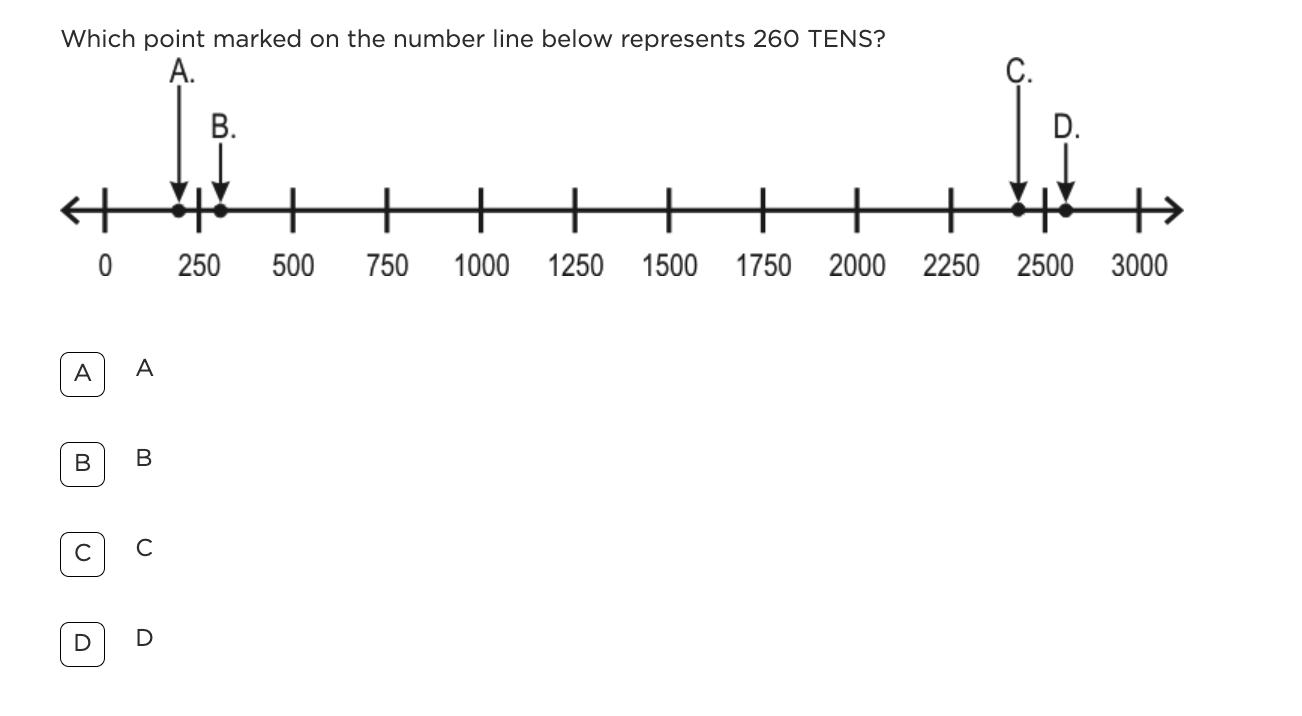
Use visual representations such as dot patterns, number lines, and quantity comparisons to connect symbols with meaning.
Allow students to explain their reasoning rather than focusing only on correct answers.
Treat informal strategies such as finger counting or mental approximation as stepping stones toward deeper mathematical understanding.