Discover thought-provoking book recommendations tailored for educators. Each pick includes
a concise synopsis and actionable takeaways to inspire and enrich teaching practices.
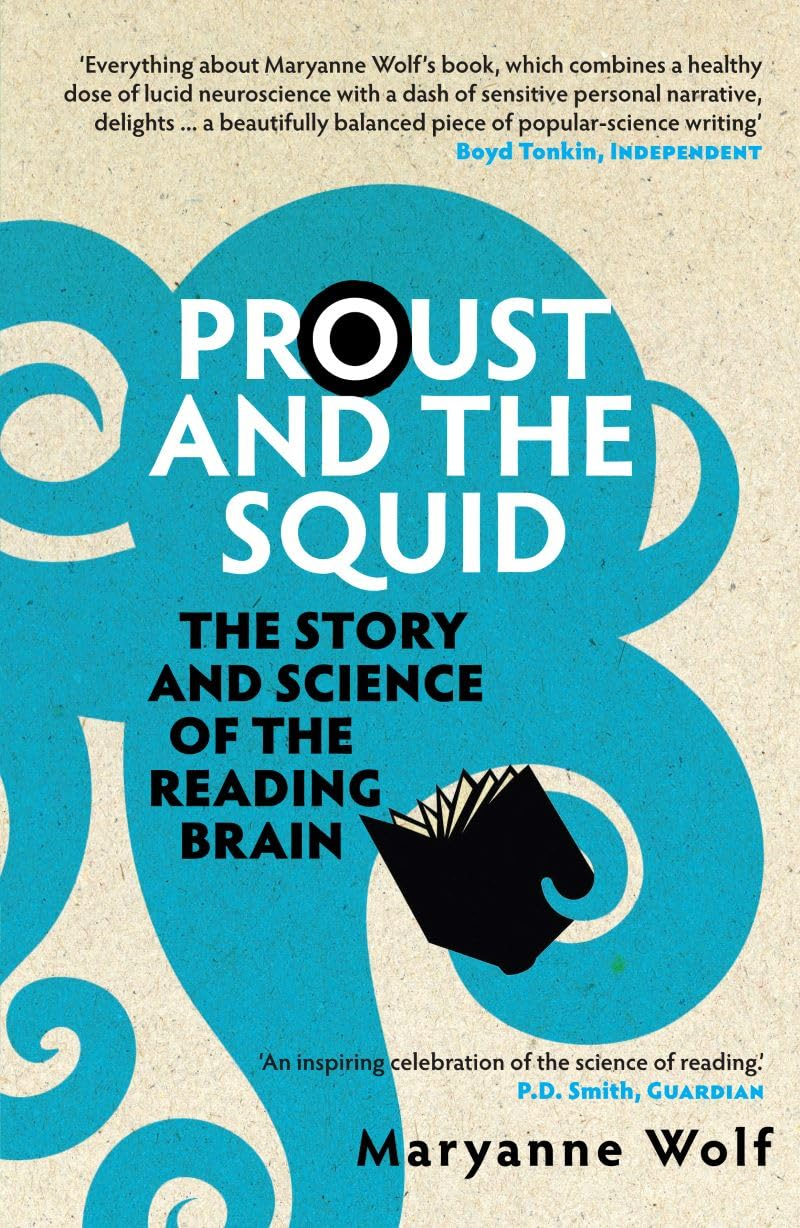
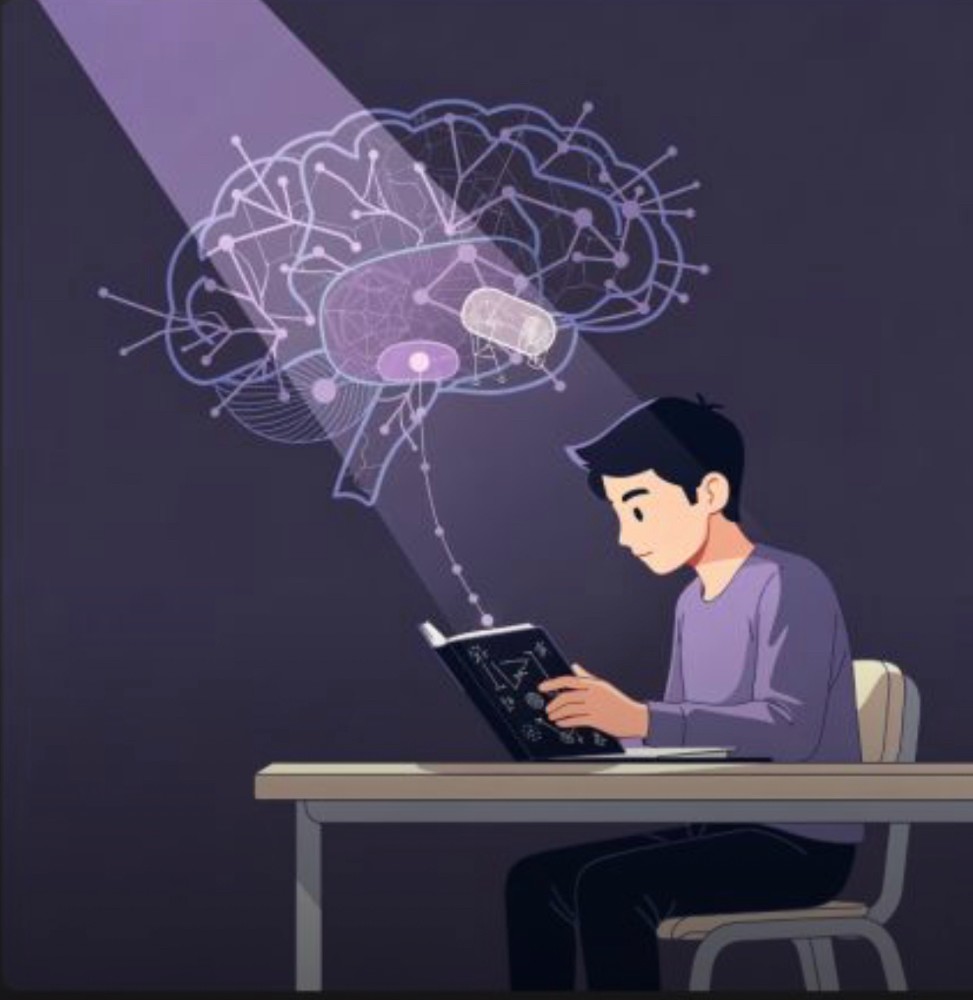
In Proust and the Squid, cognitive neuroscientist Maryanne Wolf explores how the human brain learns to read and how this process reshapes thinking, language, and culture. Drawing from neuroscience, linguistics, psychology, and education, Wolf explains that reading is not an innate human ability. Unlike spoken language, the brain must build specialised neural circuits to make reading possible.
Wolf traces the evolution of reading from early writing systems to modern literacy and examines how the reading brain develops in children. She highlights how skilled reading requires the integration of multiple processes including visual recognition, language comprehension, attention, and memory. The book also explains how disruptions in this development, such as dyslexia, arise and what they reveal about how reading works.
At its core, the book positions reading as one of the most powerful cognitive achievements of humanity, showing how it not only enables information access but also builds empathy, reflection, and deep thinking.
Why Teachers Will Find This Useful:
Understanding how reading actually develops The book explains the layered process through which children move from recognising symbols to achieving fluent comprehension. It helps teachers understand why reading difficulties often emerge and why fluency is not simply about speed but about building interconnected language and thinking systems.
Recognising early warning signs of reading difficulty Wolf provides insights into how dyslexia and other reading challenges occur when specific neural pathways develop differently. This helps teachers appreciate that reading struggles are often neurological rather than motivational or effort-related.
Strengthening reading instruction through science The book highlights the importance of systematic phonological awareness, vocabulary development, comprehension strategies, and exposure to rich language environments. It emphasises that effective reading instruction must address multiple cognitive components simultaneously.
Why We Recommend It:
This book bridges research and classroom reality with exceptional clarity. Wolf translates complex neuroscience into meaningful educational insights without oversimplifying the science. The narrative is both intellectually rigorous and deeply humane, reminding educators that reading instruction shapes not only academic success but also identity and emotional development.
At a time when digital reading habits are changing how children engage with text, Proust and the Squid encourages teachers to reflect on the importance of slow, reflective reading. It invites educators to see reading not merely as a curriculum skill but as a foundation for critical thinking, imagination, and empathy.
The book reassures teachers that reading proficiency can be nurtured with deliberate and structured instruction while also challenging assumptions that reading develops naturally without guidance.
Interesting and Actionable Takeaways:
Reading is a learned neurological achievement that requires deliberate teaching and sustained practice.
Fluency emerges when decoding becomes automatic, freeing cognitive resources for comprehension and interpretation.
Phonological awareness plays a crucial role in early reading development and must be systematically nurtured.
Deep reading strengthens reflection, inference, and empathy, supporting learning across subjects.
Children with reading difficulties often require structured, multi-sensory, and explicit instruction rather than increased repetition alone.
Zoom-in Excerpts:
“We were never born to read. Human beings invented reading only a few thousand years ago, and we rearranged the very organisation of our brain to make it possible.”
— Maryanne Wolf, Proust and the Squid
Explanation:
This insight captures the central argument of the book: reading is not biologically pre-programmed but culturally and cognitively constructed. Because the brain must build new neural pathways to support reading, children require carefully designed instruction and meaningful reading experiences to develop proficiency.
For teachers, this reinforces the importance of patience, structured literacy practices, and early intervention. When educators recognise that reading is a complex developmental process rather than a natural milestone, they are better equipped to support diverse learners. By nurturing decoding skills alongside comprehension, vocabulary, and reflection, teachers help students develop not only literacy but also the capacity to think deeply, learn independently, and connect meaningfully with the world around them.