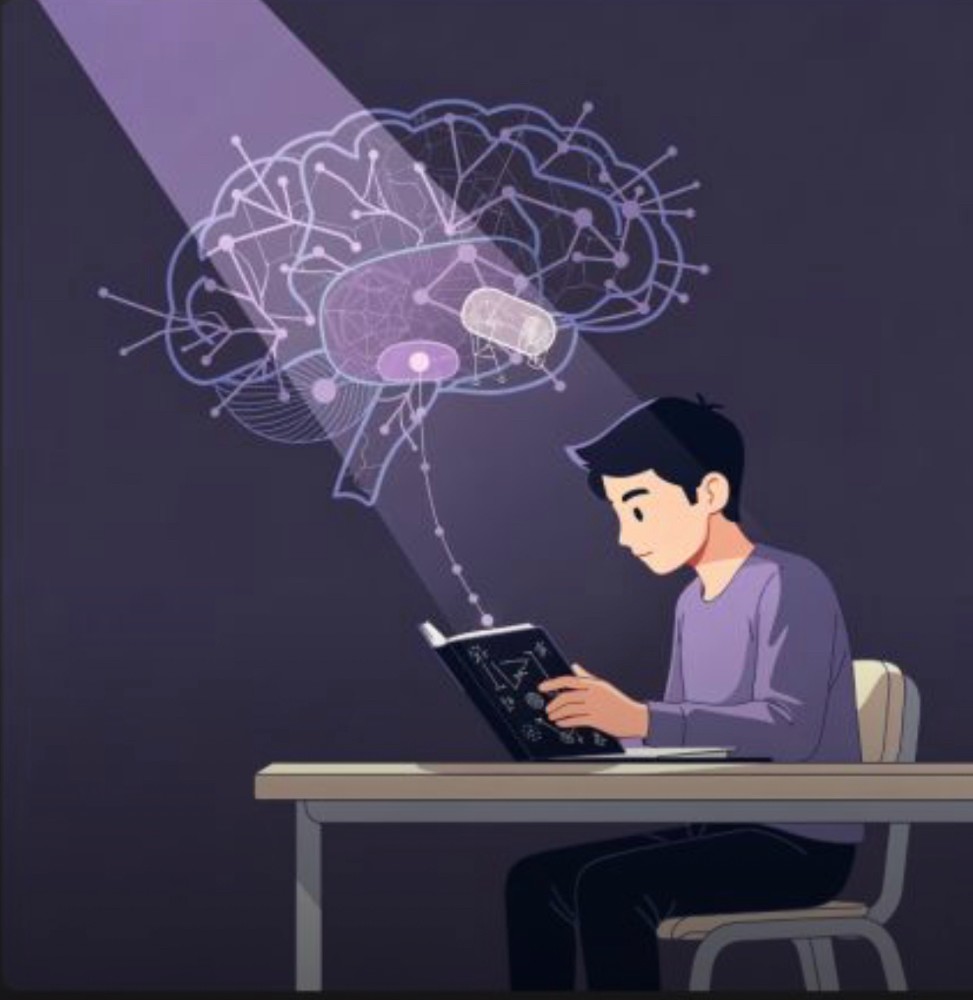
Discover thought-provoking book recommendations tailored for educators. Each pick includes
a concise synopsis and actionable takeaways to inspire and enrich teaching practices.
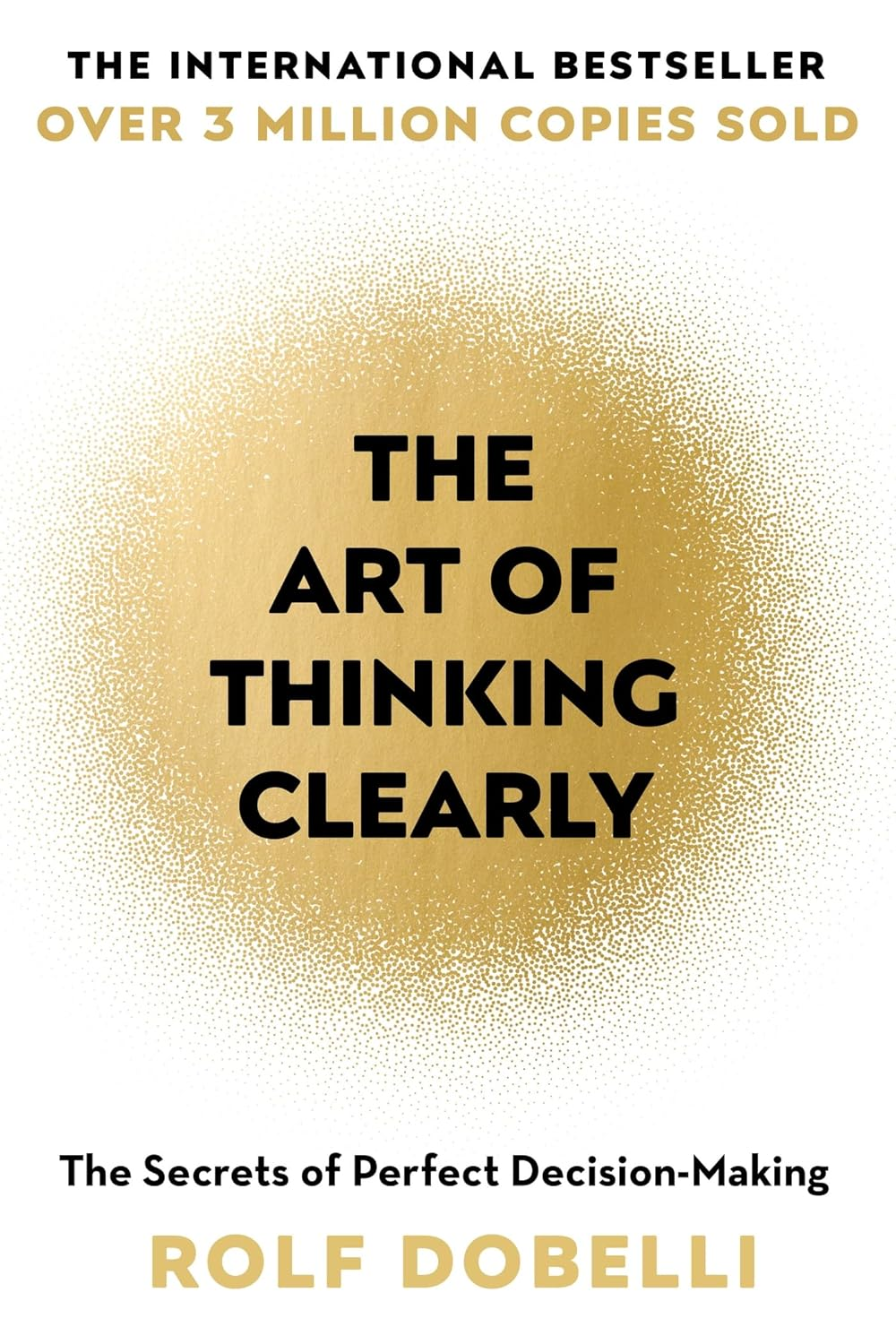
The Art of Thinking Clearly by Rolf Dobelli is a practical compendium of 99 cognitive biases and logical fallacies that cloud our judgment. Dobelli draws on decades of research from social psychology and cognitive science to demonstrate how our brains are hard-wired to make systematic errors. He argues that we do not necessarily need more information or greater intelligence to make better decisions: we simply need to stop making the same predictable mistakes.
Through short, punchy chapters, the book explores how our evolutionary history often works against us in the modern world. By exposing the mental traps we fall into daily, such as the sunk cost fallacy or confirmation bias, Dobelli provides a toolkit for clearer, more rational decision-making in both professional and personal spheres.
Why Teachers Will Find This Useful:
Recognising bias in assessment: The book helps educators identify the hidden biases that can influence grading and feedback, such as the halo effect, where a student’s overall likeability inadvertently colours the evaluation of their specific academic work.
Enhanced critical thinking pedagogy: Teachers can use these 99 concepts as a foundation for teaching students how to think rather than what to think. It provides a shared language to discuss logical errors in the classroom, helping pupils become more discerning consumers of information.
Improved professional decision-making: From choosing new curriculum resources to managing staff room dynamics, Dobelli’s insights help teachers avoid common traps like groupthink or the authority bias, leading to more objective and effective school leadership.
Why We Recommend It:
This book is incredibly accessible. Its structure allows busy teachers to read a single, three-page chapter in a spare moment and immediately apply that insight to their next lesson. It is a rare work that manages to be intellectually rigorous whilst remaining entirely practical.
At a time when teachers are bombarded with new initiatives and data, The Art of Thinking Clearly offers a way to cut through the noise. It is a sobering yet empowering read that asks us to value clarity over cunning and to recognise that the first step to being a better educator is acknowledging the limitations of our own thinking.
Interesting and Actionable Takeaways:
Confirmation bias is the mother of all misconceptions: we tend to ignore information that contradicts our existing beliefs about a student’s potential. We must actively seek out evidence that proves us wrong.
The sunk cost fallacy often keeps us tied to failing lesson plans or ineffective programmes simply because we have already invested time and effort in them. It is better to stop digging than to keep digging a hole in the wrong place.
Social proof explains why peer pressure is so potent in the classroom. When students are uncertain, they look to what others are doing, making the setting of positive class norms essential.
The overconfidence effect reminds us that experts, including experienced teachers, frequently overestimate their knowledge. Staying humble and open to feedback is a hallmark of the best practitioners.
The contrast effect can distort our marking. A mediocre essay may seem excellent if it follows two very poor ones, or poor if it follows two brilliant ones. Shuffling papers or using blind grading can help mitigate this.
Zoom-in Excerpts:
‘Eliminating errors in thinking is a more reliable way to reach a good outcome than trying to be exceptionally smart. We do not need extra cunning, new ideas or unnecessary hyperactivity. All we need is less irrationality.’
Explanation:
This excerpt highlights Dobelli’s central philosophy: better outcomes are achieved through subtraction rather than addition. For teachers, the pressure to constantly innovate can be overwhelming. This insight suggests that some of our best professional growth comes from simply identifying and removing the mental filters that lead to unfair or illogical conclusions. By focusing on being less irrational, we create a more equitable and stable environment for our students. Instead of searching for the next magic teaching trick, we can improve our practice by refining the clarity of our own daily judgments.