Principal, Sri Sankara Senior Secondary School, Adyar, Chennai
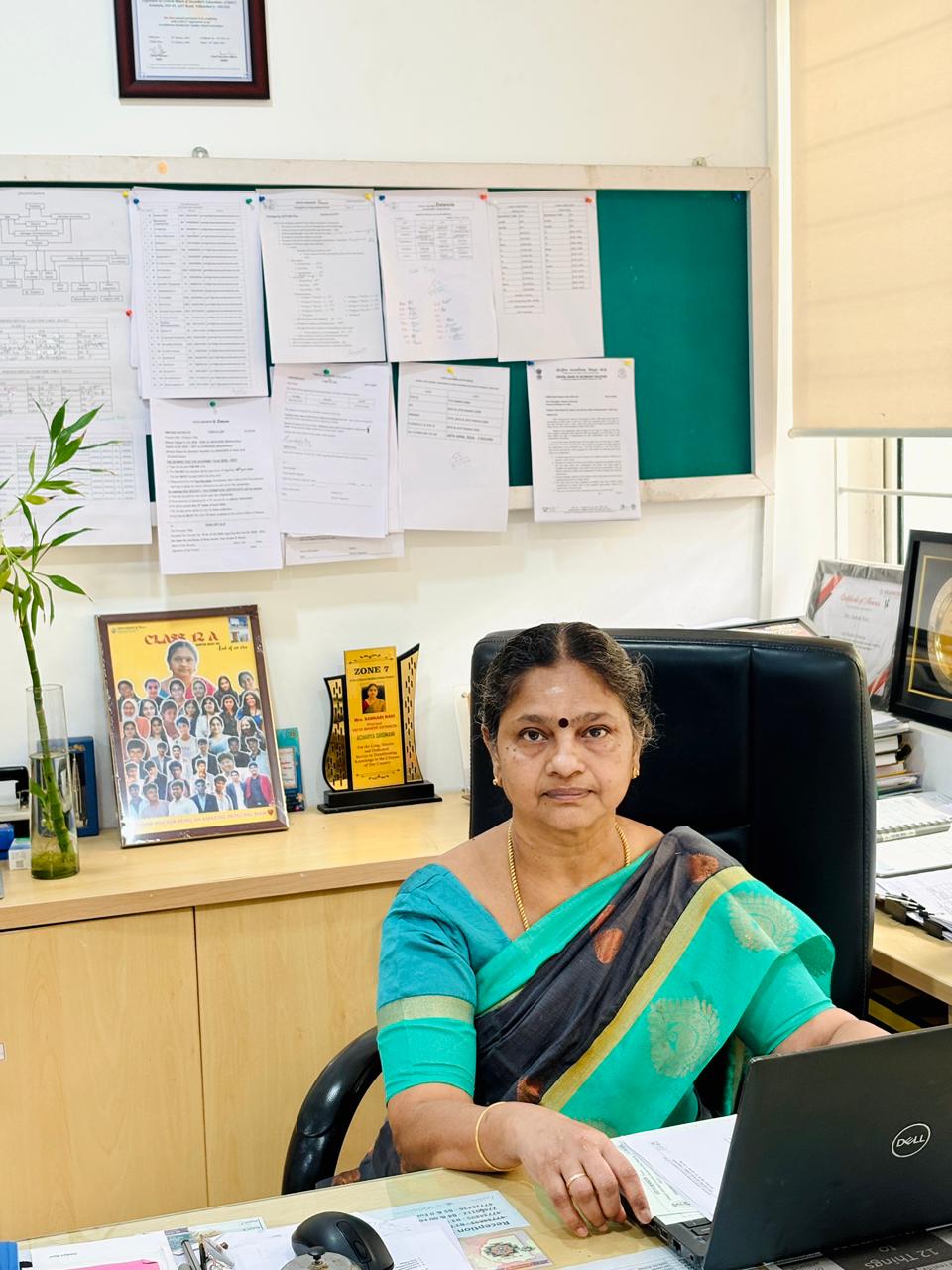
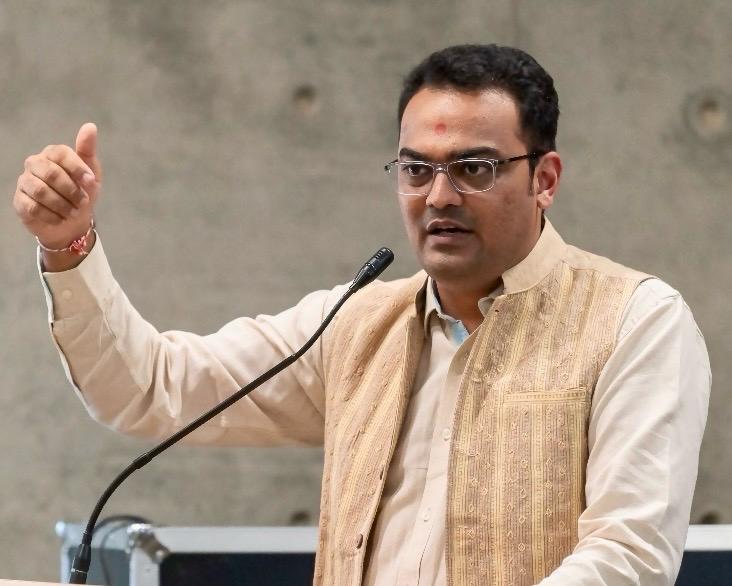
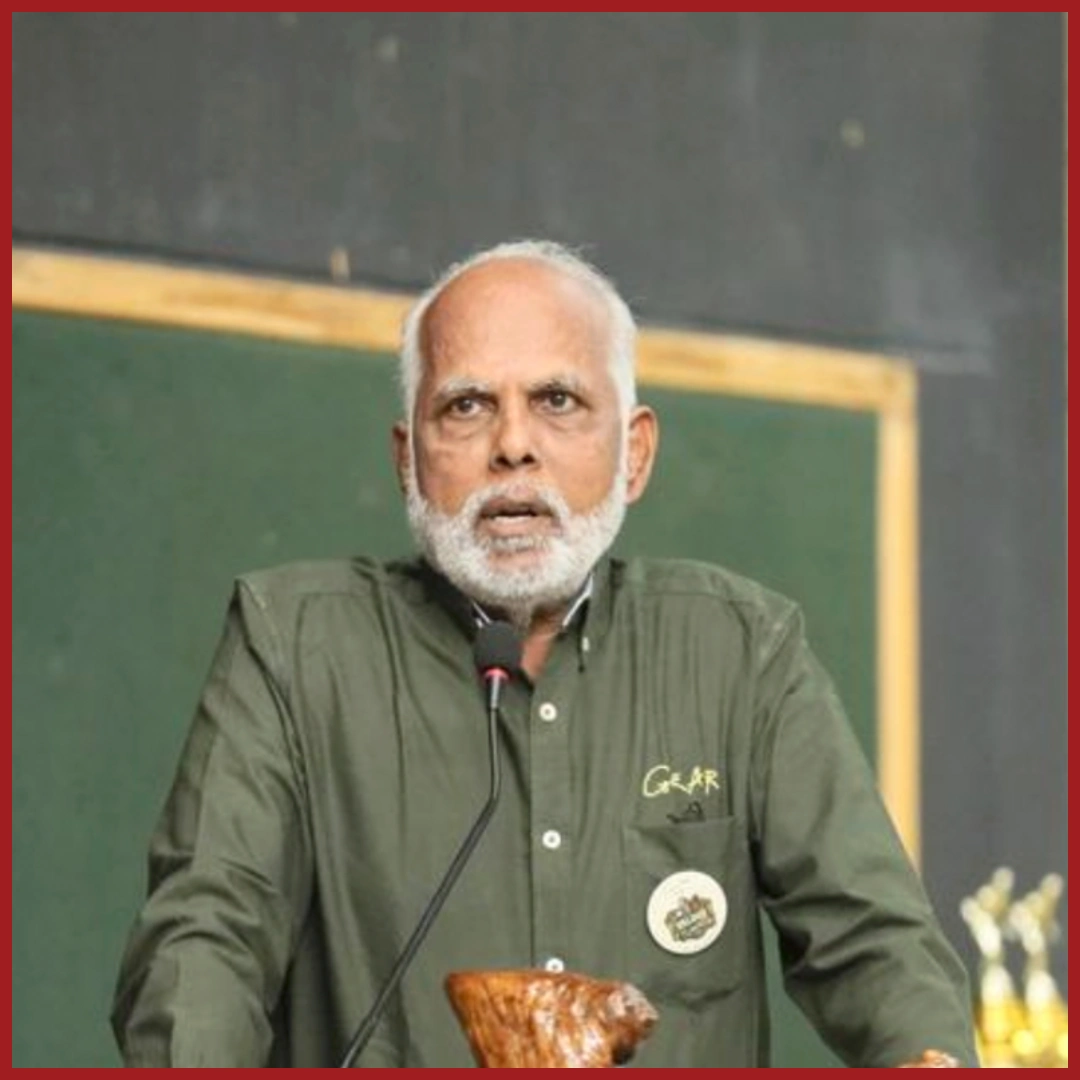
Smt. S. Vidyalakshmi is an experienced educator and school leader with over 18 years of teaching and administrative service at Sri Sankara Senior Secondary School, Adyar. She currently serves as the Principal of the institution.
Her work reflects a strong commitment to creating a balanced learning environment that integrates academic rigour with co-curricular development and student well-being.Her contributions to education have been recognised through multiple honours, including teaching and leadership awards at institutional and national levels. She has also contributed to CBSE academic processes as a Head Examiner for Informatics Practices. Her leadership is marked by a focus on student-centred learning, continuous improvement, and nurturing responsible, confident learners prepared for a changing world.What schools must hold on to firmly
A school is far more than a centre for academic instruction. It is a dynamic social and formative space where individuals learn to interact, collaborate, and appreciate diverse perspectives. In this environment, students not only acquire knowledge but also develop the interpersonal and emotional skills essential for life.
Schools serve as a vital bridge between the individual and society, preparing young minds to engage meaningfully with the world around them. In doing so, they must continue to uphold core values such as integrity, respect, empathy, and responsibility.
True education goes beyond the classroom. It nurtures the ability to think critically, act responsibly, and learn independently—equipping learners not just for examinations, but for life itself
What schools must be willing to change:
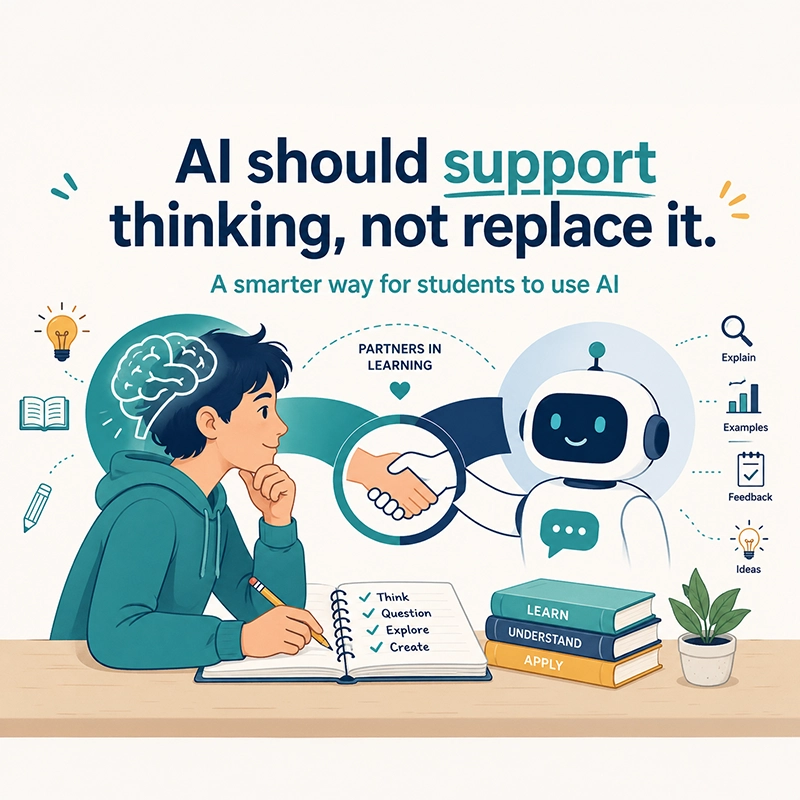
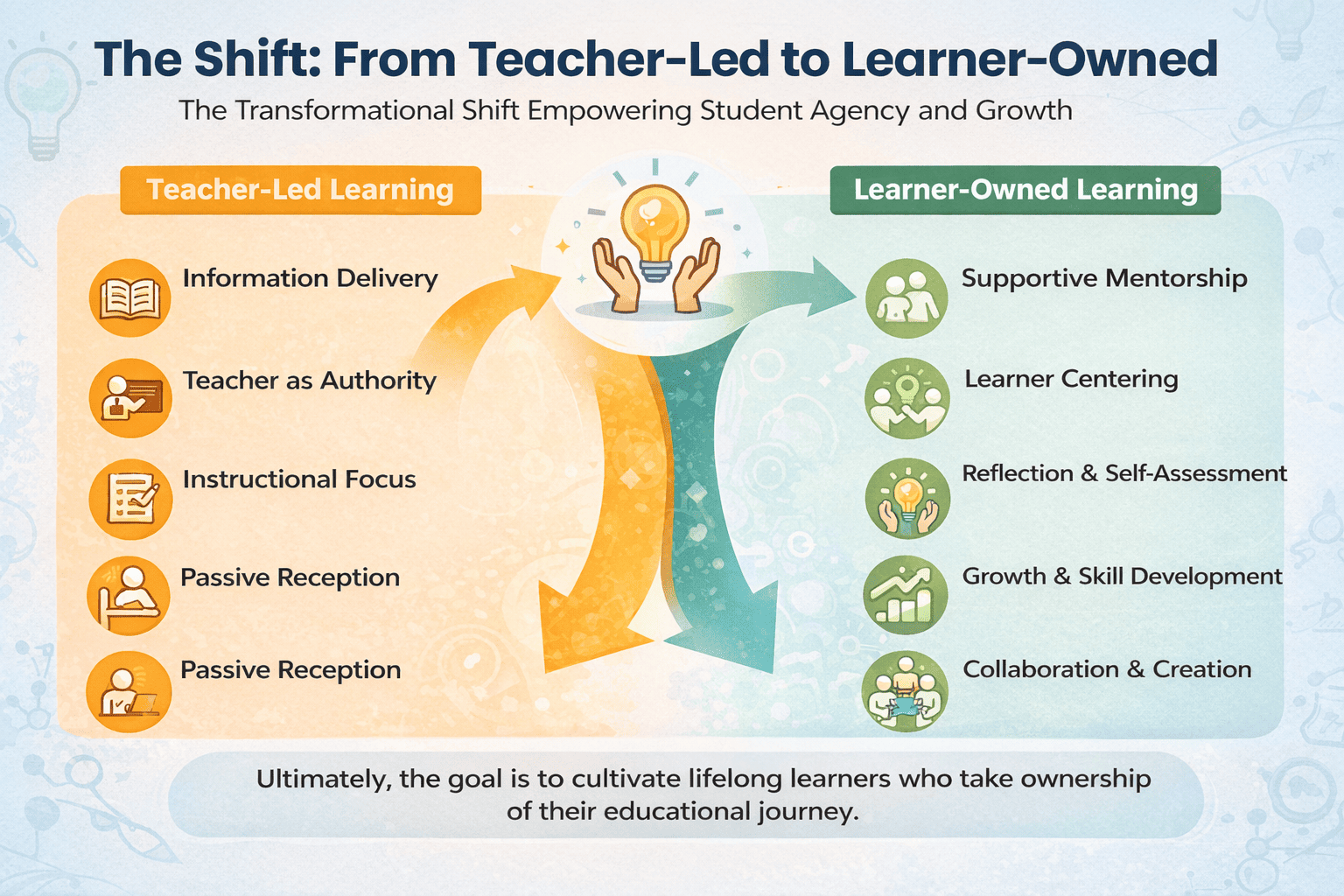
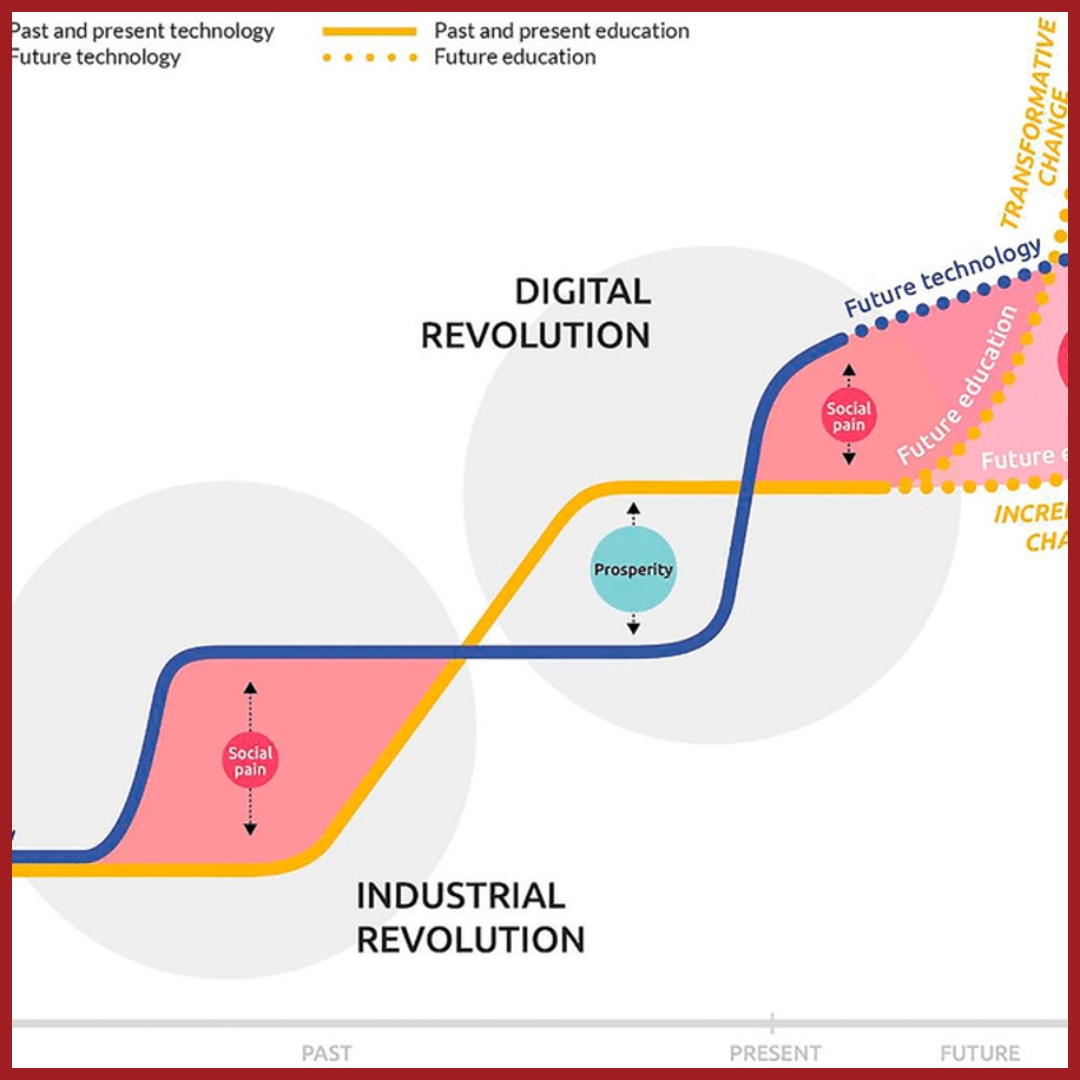
Schools must thoughtfully reconsider how learning is delivered in the present context. With the growing integration of technology, traditional one-size-fits-all approaches are no longer sufficient. There is a clear need to adopt more flexible, student-centred methods that recognise diverse learning styles, abilities, and paces.
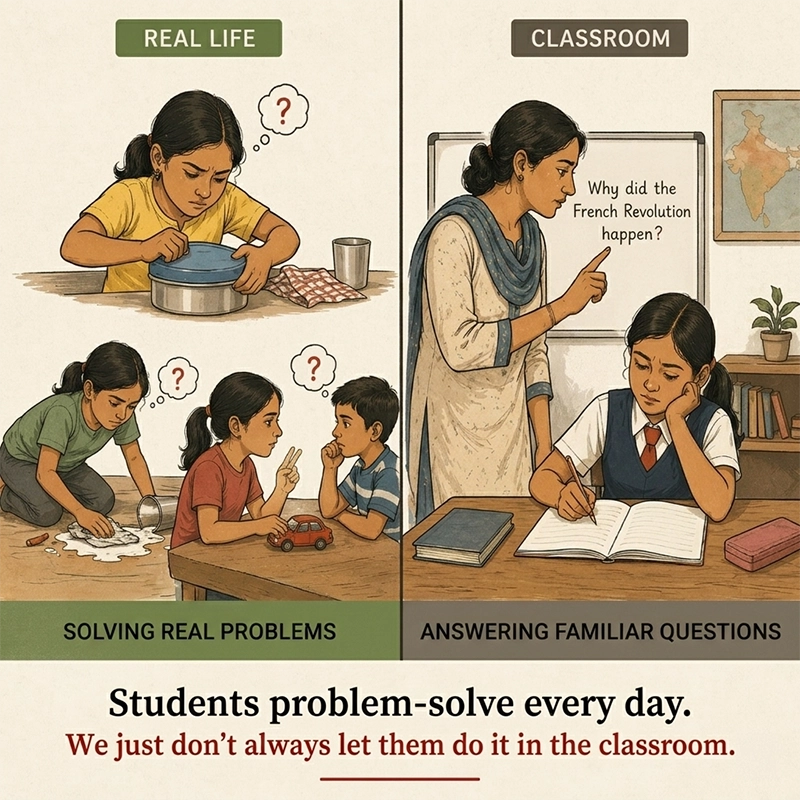
Education must prepare students to navigate real-world challenges with confidence, rather than limiting their focus to examinations alone.
Assessment practices, too, must evolve. Moving beyond marks as the sole indicator of success, schools should implement holistic evaluation systems that reflect a studentʼs skills, attitudes, progress, and overall development over time

Our instructional planning is guided by clearly defined learning outcomes for each subject, articulated at the beginning of every month. This ensures clarity of purpose and alignment in teaching.

Revision is an integral part of the learning process. Regular worksheets are provided to strengthen retention and consolidate understanding.
Wherever appropriate, teaching is made engaging and experiential through play-based methods, hands-on experiments, and case-based analysis. These approaches encourage active participation and help students connect concepts to real-life contexts.
Overall, the focus remains on ensuring that learning is meaningful, reinforced, and accessible to all learners
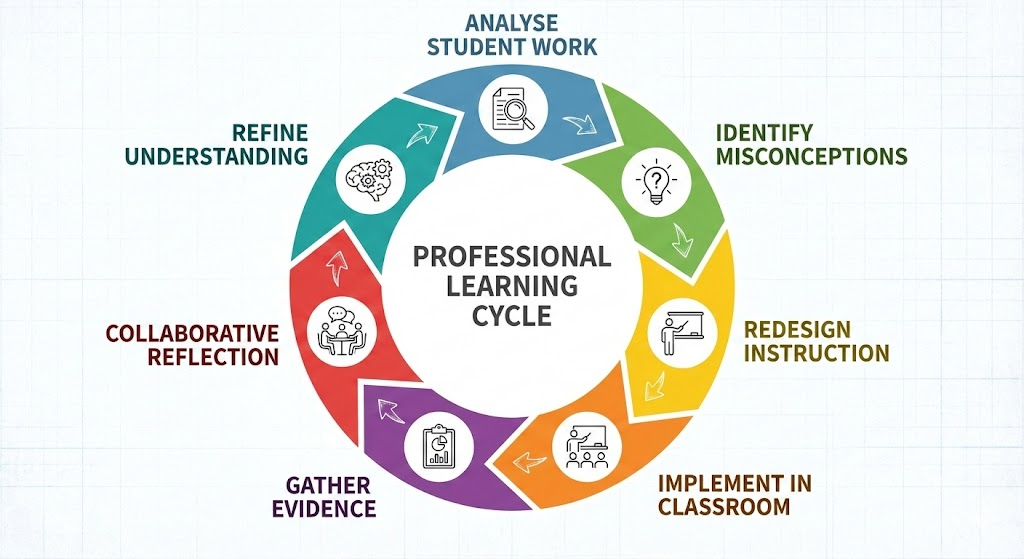
Strong subject knowledge remains fundamental. No technology or external aid can substitute a teacherʼs depth of understanding. Clarity in concepts and the ability to identify and address misconceptions are essential for effective learning.
Adapting to Current Technology NeedsClear and precise communication is vital. Well-articulated instructions enable students to follow lessons with ease, while effective classroom interaction encourages participation, clarifies doubts, and strengthens understanding.
In my opinion these are the three important competencies
A school leader should consciously build and sustain purposeful networks with other school leaders, educators, and educational organisations. Effective networking is not about broad association, but about meaningful professional exchange.
Through such connections, leaders gain access to proven practices, innovative ideas, and practical solutions to common challenges. It also creates opportunities for collaboration— including inter-school events, teacher training programmes, and student enrichment activities.
Networking further supports informed decision-making, as leaders are exposed to diverse perspectives and experiences beyond their own institution. It reduces isolation and enables quicker, more confident responses to emerging needs.
To be effective, networking must be intentional and sustained, with a clear focus on learning, sharing, and contextual application.
In essence, a well-networked leader strengthens not only personal capacity but also expands opportunities and resources for the entire school community.
powered by Advanced iFrame