Ei Study

EI color

Learning
Pulse

Edition 17 | May 2026

Bookmarked

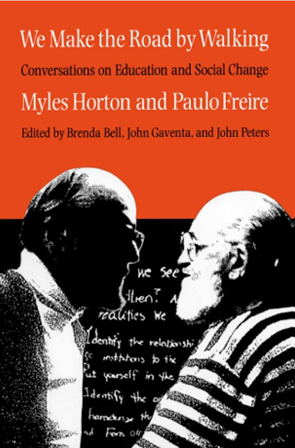
In We Make the Road by Walking: Conversations on Education and Social Change, Myles Horton and Paulo Freire

Overview:

In We Make the Road by Walking:
Conversations on Education and Social Change, Myles Horton and Paulo Freire bring together decades of educational work rooted in dialogue, democracy and social transformation. The book is not written as a conventional theory text. It is a conversation between two educators who spent their lives working with communities, especially those historically excluded from power, formal schooling and public voice. The editors note that the book emerged from recorded conversations between Horton and Freire at Highlander, and that they tried to preserve the spontaneity, immediacy and movement of the dialogue.

Horton founded the Highlander Folk School in Tennessee, which became closely associated with labour education, civil rights organising and the Citizenship Schools. Freire, working from Brazil and later internationally, developed a powerful language for literacy, critical consciousness and education as a practice connected to freedom. Though their contexts were different, both saw education not as the transfer of information, but as a process through which people read their world, question it and act upon it.

The bookʼs central idea is simple but demanding: educators do not wait for perfect certainty before beginning. They learn through practice, dialogue and reflection. As Freire says in the opening conversation, we make the road by walking. For teachers, this is a reminder that good education is not built only through lesson plans, policies or techniques. It is built through attentive practice, careful listening and the courage to revise oneʼs assumptions.

Why Teachers Will Find This Useful

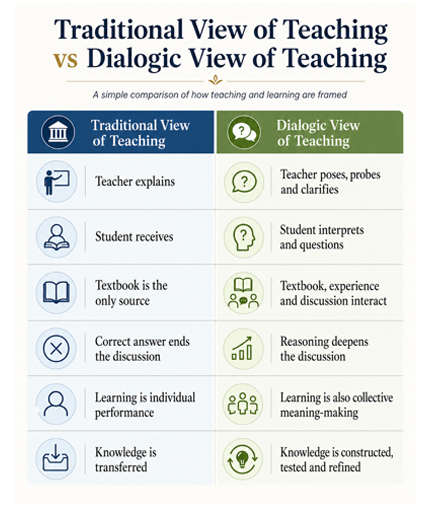
Teachers will find this book useful because it shifts the focus from teaching as delivery to teaching as dialogue. It helps educators think more deeply about what happens when students are treated not as empty vessels, but as people with experiences, questions, histories and ways of making sense of the world.

Teachers will find this especially useful for:
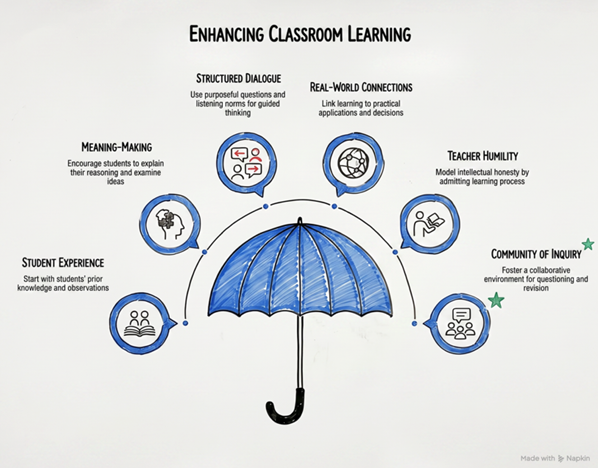
  • Understanding dialogue as pedagogy: Learning is not just asking students to speak. It is creating conditions where their experiences become material for thought.
  • Respecting learner experience: Students bring knowledge from home, community, language, work, culture and lived experience. Teaching becomes stronger when this knowledge is recognised.
  • Connecting education with agency:
  • The book shows that education is not only about knowing more. It is also about becoming more capable of acting, questioning and participating.
  • Reflecting on the teacherʼs role:The teacher is not absent, passive or neutral. The teacher guides, questions, clarifies and challenges, but does not dominate the learnerʼs thinking.
  • Linking reflection with action: Horton and Freire repeatedly show that knowledge grows through practice, and practice becomes wiser through reflection.
For classroom teachers, the book is valuable because it asks a difficult question: Are we helping students merely remember what we taught, or are we helping them become more conscious, capable and responsible thinkers?

Why We Recommend It:

We recommend this book because it brings moral seriousness back into conversations on teaching. In many schools, pedagogy is reduced to methods, activities, lesson formats or classroom management routines. This book reminds us that teaching is also about power, voice, participation and human dignity.

It is especially relevant today because many classrooms appear interactive on the surface. Students answer questions, work in groups, make presentations and complete activities. Yet the deeper question remains: are they genuinely thinking, or are they performing participation? Horton and Freire help teachers examine this difference.

The book does not offer ready-made classroom recipes. That is precisely its strength. It pushes teachers to think about their own practice with greater honesty. Who speaks most in my classroom? Whose knowledge counts? Do I allow students to question ideas, or only reproduce them? Do my lessons help students connect learning with life?

For teachers, this book is less a manual and more a mirror. It invites educators to look at their classrooms as spaces where students do not simply receive knowledge, but learn to participate in the making of meaning

Interesting and Actionable Takeaways:
  • Education becomes powerful when it begins from the learnerʼs lived reality, not only from the textbook.
  • Dialogue is not casual discussion. It is a disciplined way of helping learners examine experience, language, assumptions and action.
  • A teacherʼs authority should be used to deepen thinking, not to silence it.
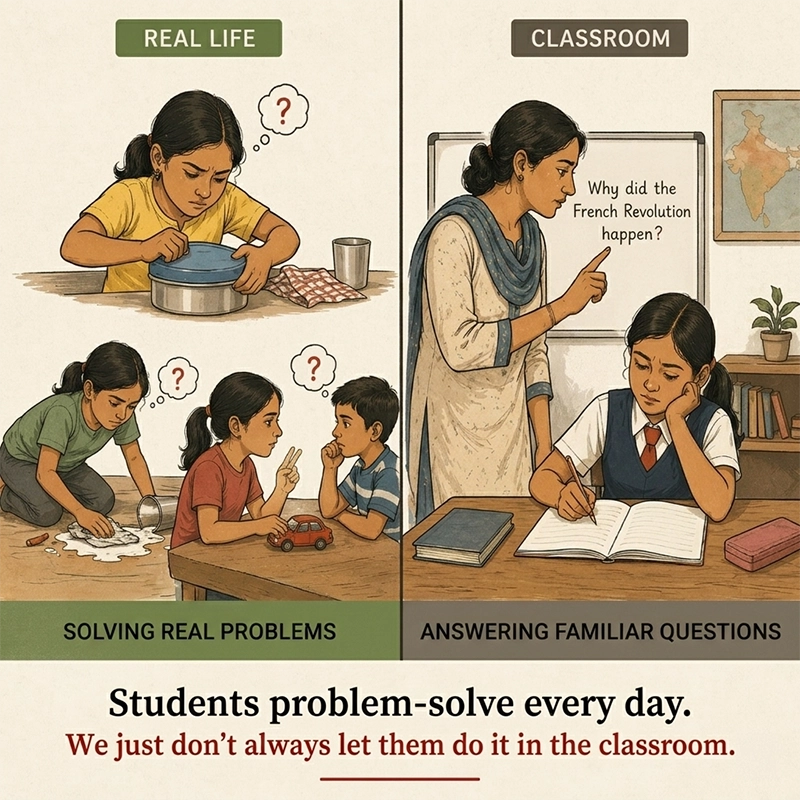
  • Students need opportunities to connect knowledge with real problems, choices and consequences.
  • Reflection without action can become abstract. Action without reflection can become mechanical. Good education requires both.
  • Teachers do not need to have all answers before beginning. They need clarity of purpose, humility and willingness to learn from practice.

Zoom-in Excerpts:

“We are not complete. We have to become inserted in a permanent process of searching.”

– Paulo Freire, We Make the Road by Walking, Chapter 2: Formative Years

Explanation:

This line captures one of the most important ideas in the book: education begins with the recognition that human beings are unfinished. We are always becoming. This is not a weakness. It is the very condition that makes learning possible.

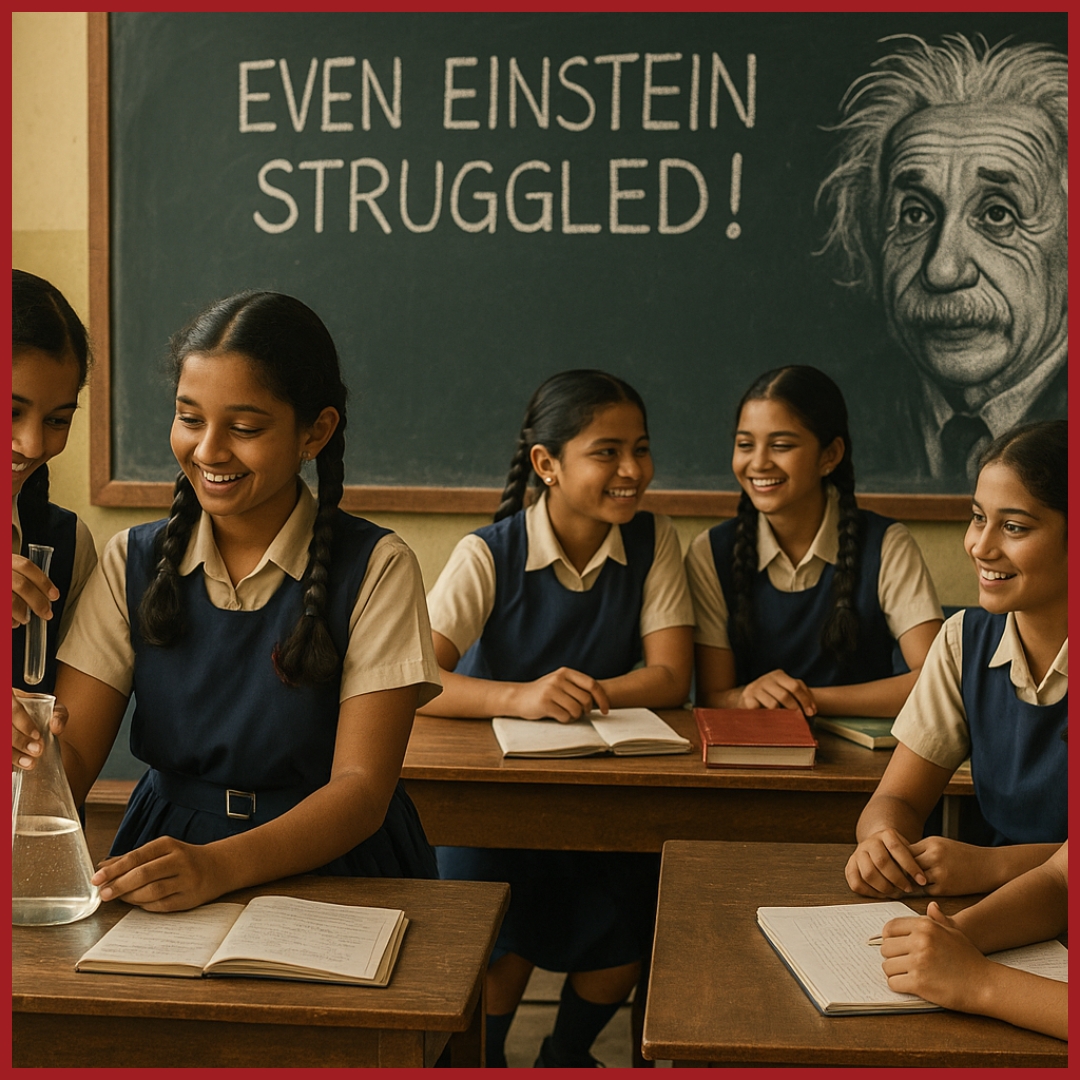
For teachers, this insight has two implications. First, students should not be seen as fixed in ability, background or achievement. A child who struggles today is not a finished story. Second, teachers themselves are also unfinished. Their practice must remain open to questioning, evidence, feedback and change.
This does not mean that anything goes in the classroom. Freire and Horton are not arguing for vague freedom or directionless discussion. They are arguing for a form of education where teachers and learners search together, but with seriousness, purpose and responsibility.

A classroom shaped by this idea would not only ask students, What is the answer? It would also ask: How did you arrive at this? What made you think that? What changed your mind? What can we do with this understanding?

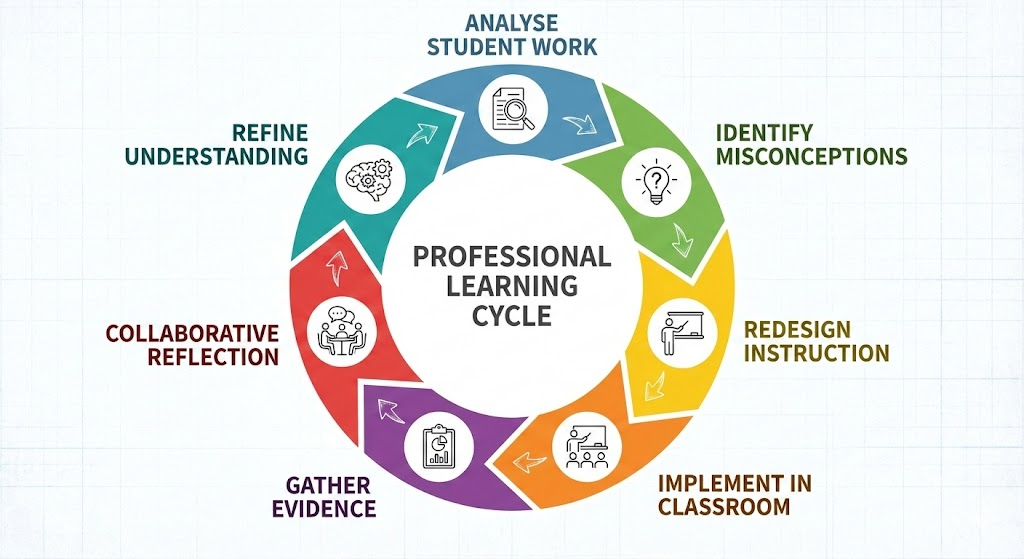
Key strategies teachers can take from this:

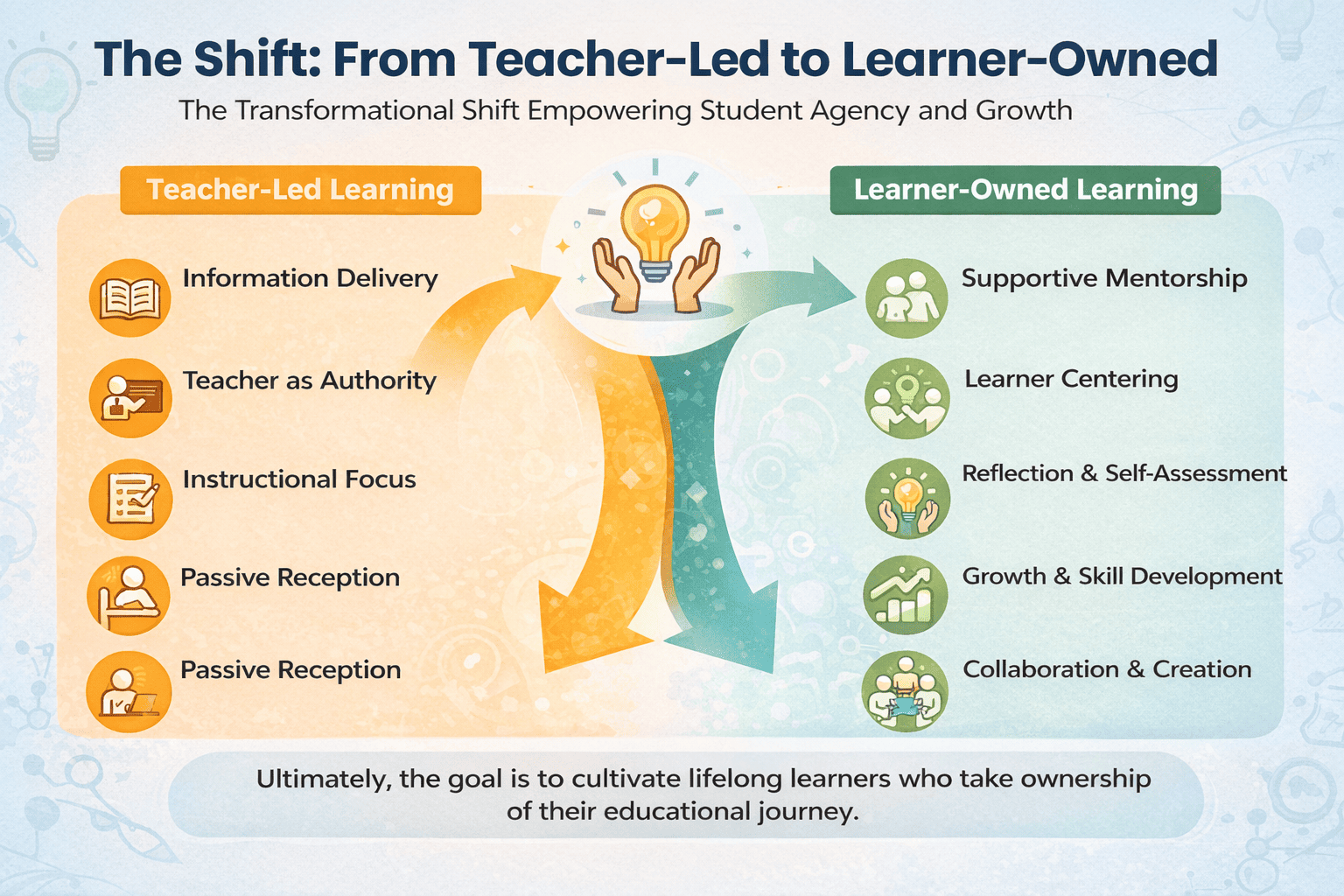
When re-thinking instruction, remember that the aim is not to reject explanation or teacher guidance. The aim is to ensure that explanation does not replace student thinking.

Enjoyed the read? Spread the word

Interested in being featured in our newsletter?

Check out the latest edition here.

Feature Articles

Join Our Newsletter

Your monthly dose of education insights and innovations delivered to your inbox!