Ei Study

EI color

Learning
Pulse

Edition 16 | April 2026

Educators Speak: Principal Interview

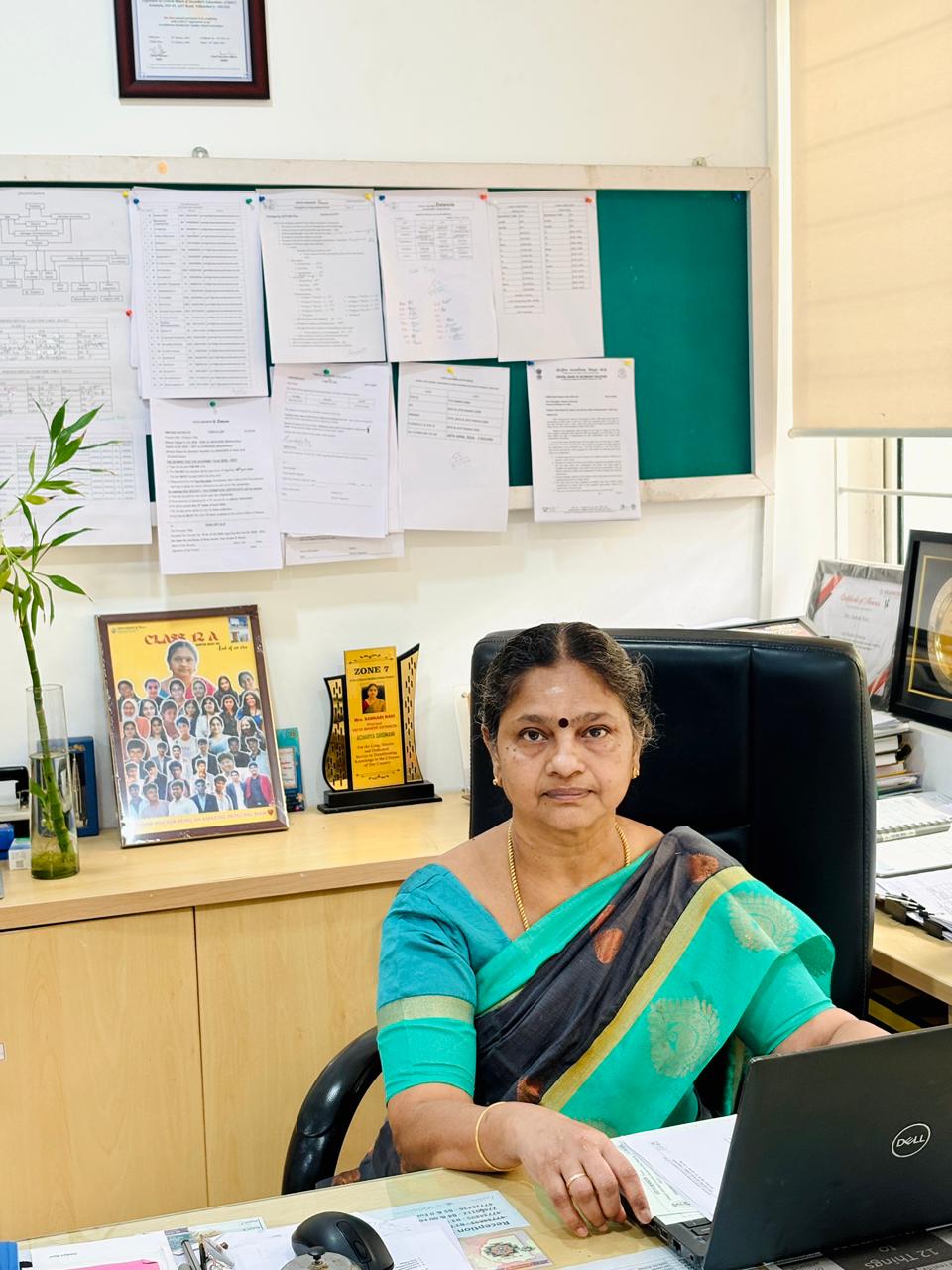
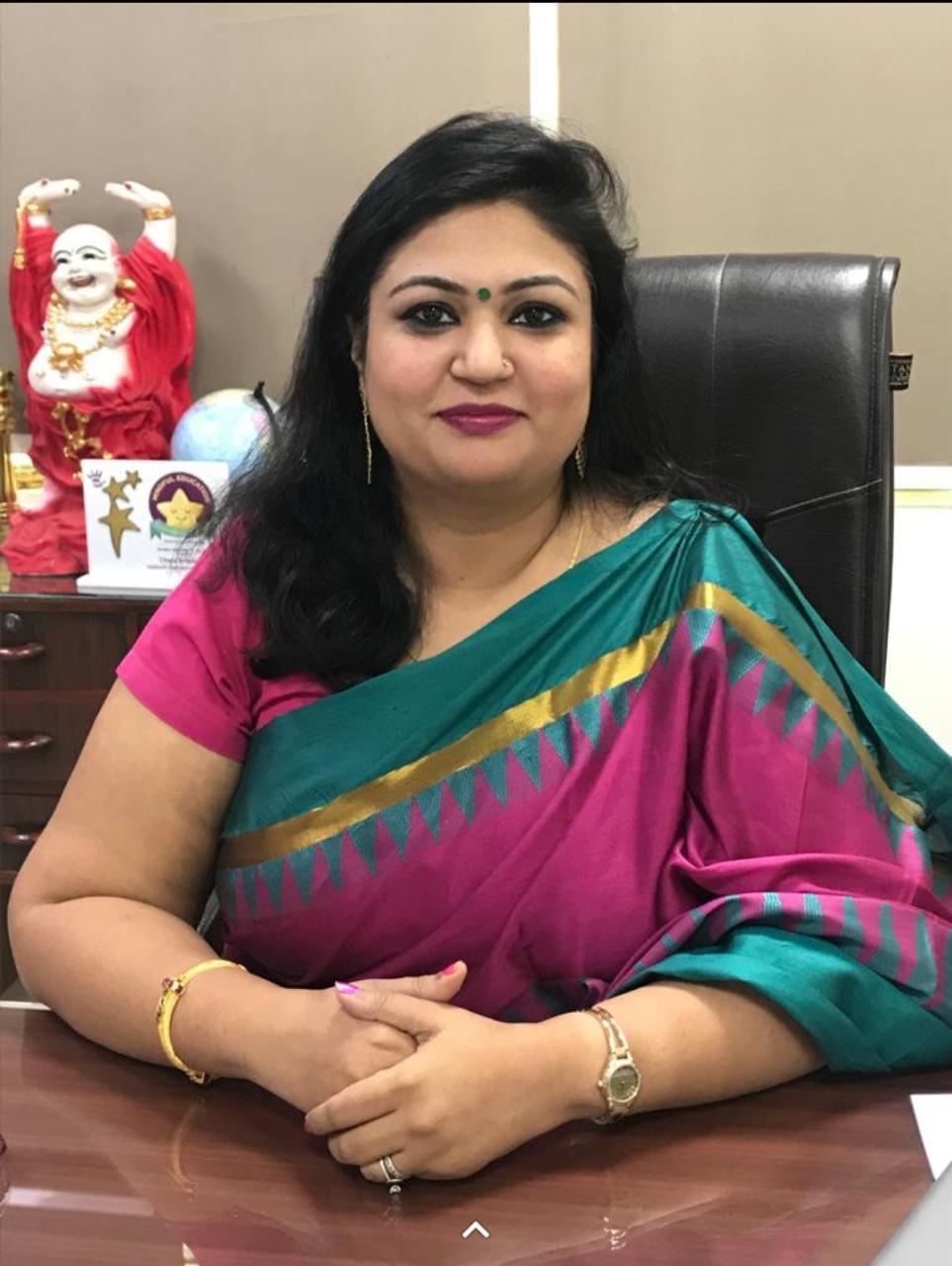
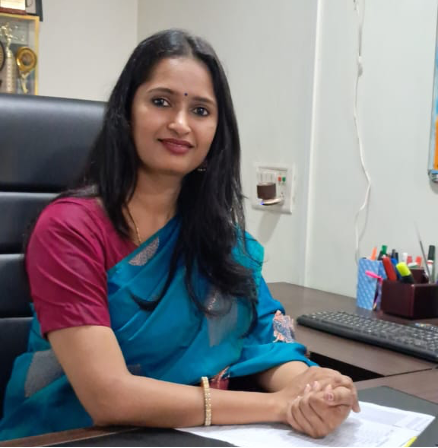
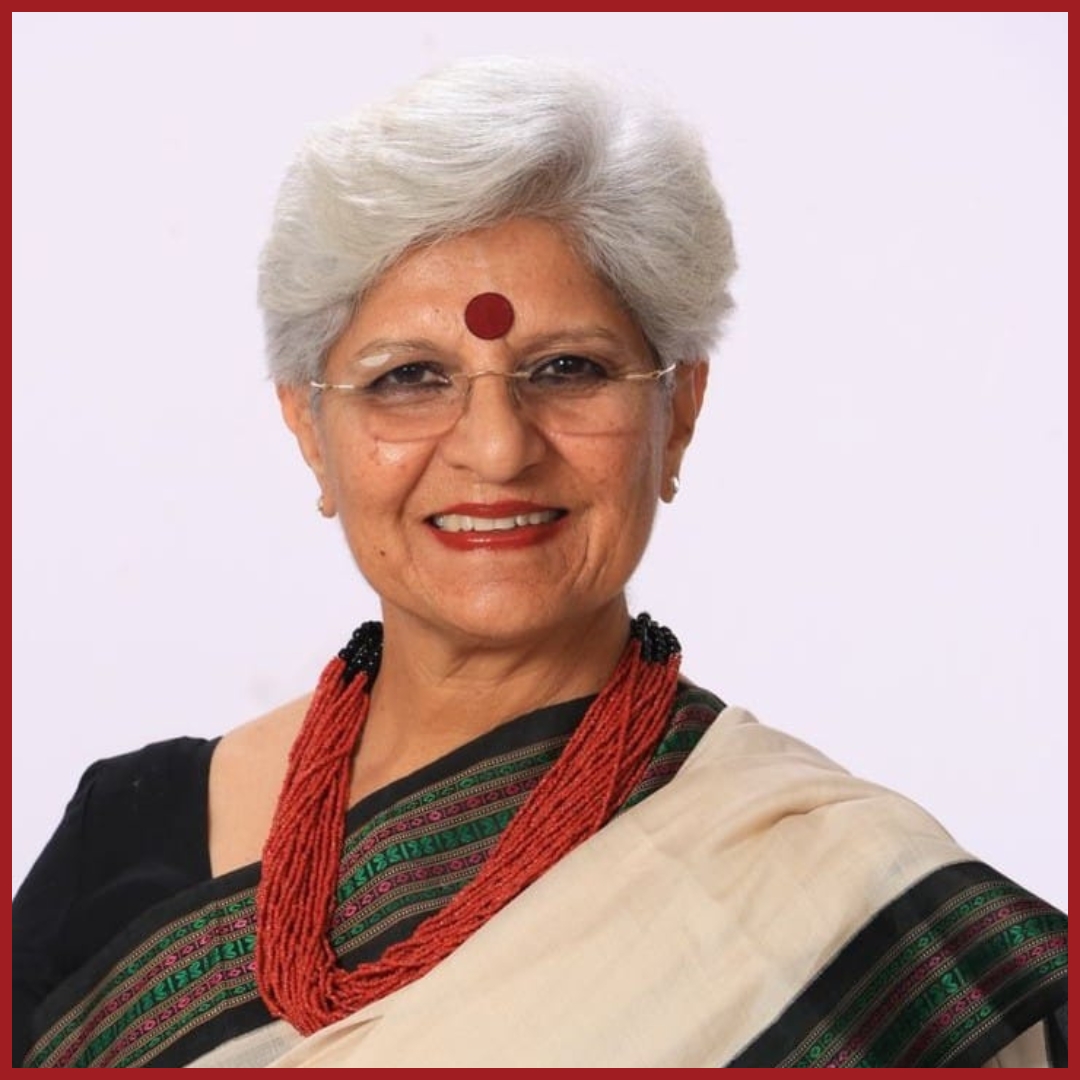
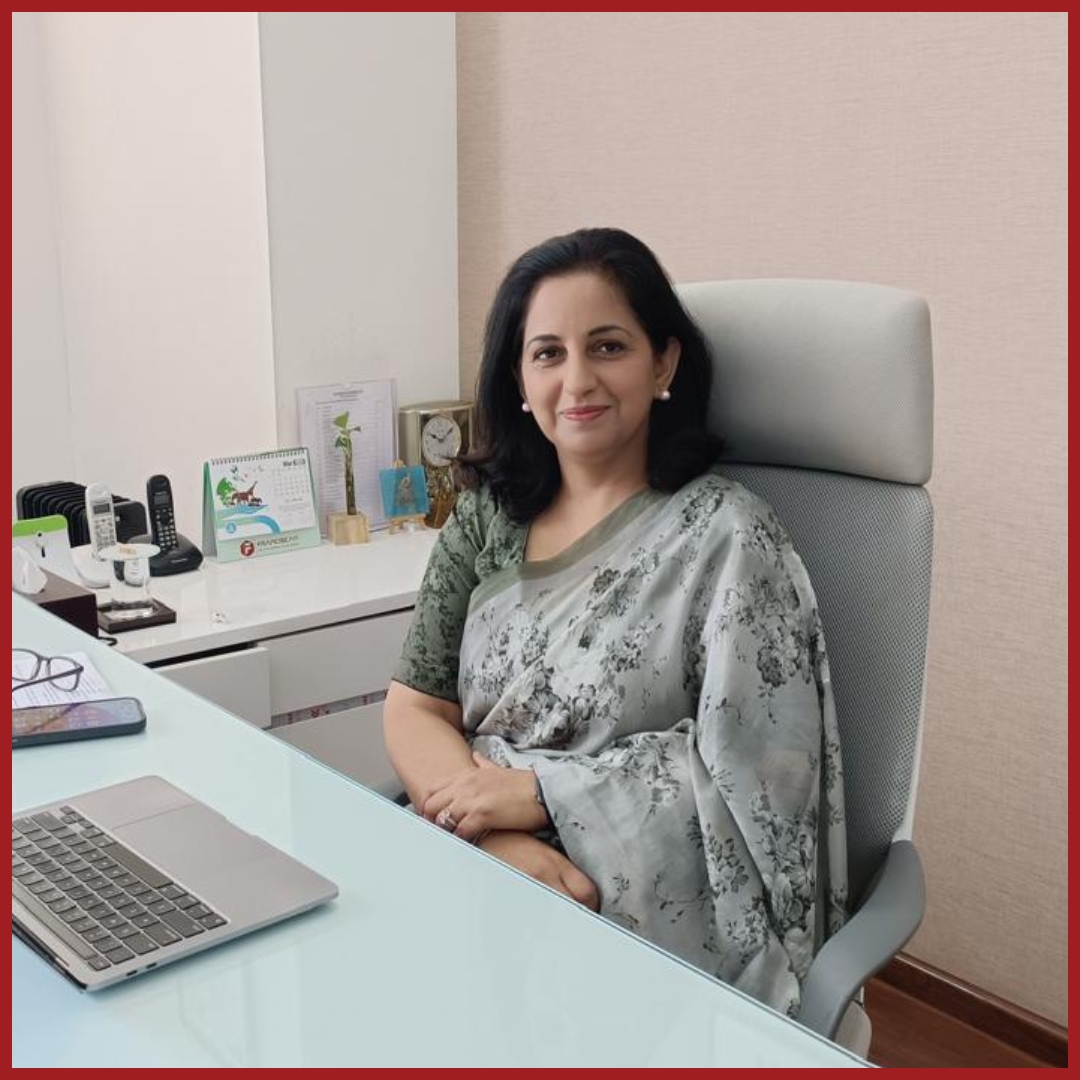
Ms. Sankari Ravi

Ms. Sankari Ravi is an accomplished educator and school leader with over two decades of experience in teaching, academic leadership, and school administration. Currently serving as the Principal of Vidya Mandir @ Estancia, Chennai, she has a strong academic foundation in Physics and has consistently delivered outstanding results, including centum performance in board examinations for nearly two decades. Her journey spans roles as Vice-Principal, Head of the Science Department, and CBSE resource person, complemented by her contributions as an examiner and trainer for teachers across institutions. Known for her ability to simplify complex concepts and inspire a love for learning, she combines academic rigour with a student-centric approach. She has received multiple recognitions, including Best Teacher Awards, and has represented her school in international forums, reflecting her commitment to excellence, innovation, and continuous professional growth.

Q1. NEP 2020 pushes for a move toward competency-based assessments. How do you balance the high-pressure demands of traditional Board Exams with the long-term goal of building future-ready competencies?

Some ways to balance these high-pressure demands of traditional Board Exams with the long-term goal of building future-ready competencies are:

  1. Focus on conceptual understanding: Instead of just preparing for   exams, encourage students to grasp concepts and apply them.

  2. Skill-building assessments:  Incorporate project-based, peer-reviewed, and competency-focused assessments alongside traditional exams.

  3. Reduce exam pressure: NEP suggests fewer board exams or alternative assessment methods to reduce stress.

  4. Teacher training: Equip teachers to assess competencies and guide students effectively.

The goal is to create a more holistic, skill-oriented education system 

Q2. As a principal, what is the one improvement signal you look for that tells you a school culture is moving from being compliance-led to evidence-led?

As a principal, I’d look for teachers using data and evidence to assess their teaching practices and decisions . We are a NABET accredited school where the system focuses on evidence led improvement rather than compliance led.

 For instance:

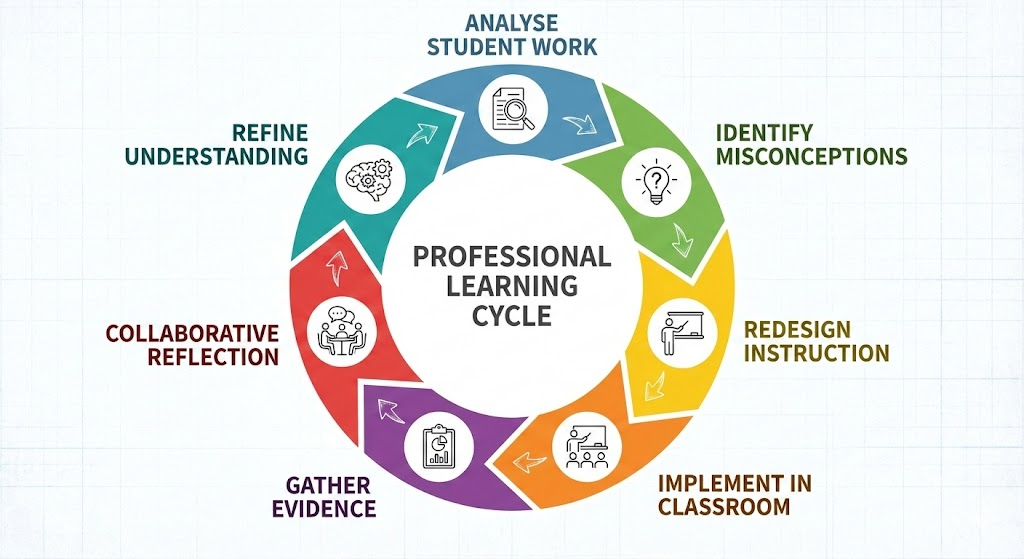
  • Teachers discuss student performance data to tweak their lesson plans. They do trend analysis for different concepts and improve on that particular concept for which the trend is low.

  • Using assessments to identify learning gaps and addressing them.

  • Experimenting with new teaching methods based on research and student feedback.

  • Sharing their best practices in teaching with other teachers during subject meetings.

When teachers start using evidence to drive their decisions, it is a sign that the school culture is shifting from just ticking boxes (compliance led) to focussing on what actually works for students (evidence led).

Q3. When hiring new staff, how do you distinguish between a teacher who can teach and one who just knows the content, even when mostly they are mutually inclusive?

While hiring new staff these are some strategies to evaluate their teaching skills. We interview the teachers initially and call them for a demo. In our school we have observation forms which has the following formats

Demo lessons: Ask candidates to teach a short lesson.

Behavioural questions: Ask about past experiences, e.g., “How did you handle a struggling student?”

Case studies: Present hypothetical scenarios and ask for their approach.

Lesson planning: Do they design engaging, student-centered lessons?

Adaptability: Can they adjust teaching methods for diverse learners?

Student interaction: How do they engage with students? Do they encourage participation?

Assessment strategies: Do they use varied assessments to gauge understanding?

Passion for teaching: Do they show enthusiasm for the subject and student growth?

Finally, we check with the references that is checking with previous employers or mentors. These methods can give you a better sense of a candidate’s teaching abilities.

Only a good teacher can inspire hope, ignite imagination and instil a love of learning that lasts a lifetime.

Only if a student likes a teacher, he loves the subject. An excellent teacher is one who reaches the student through his innovative teaching skills. Content knowledge is important, but teaching skills like communication, empathy, and creativity make a bigger difference .

Q4. If you were to pick three key skills of a successful teacher in today's world, what will those be and why?
If I had to pick three key skills of a successful teacher they’d be

  1. Adaptability: A teacher must adjust teaching methods for diverse learners, tech integration, and changing situations. Encourage experimentation with new teaching methods and have flexible lesson planning.

  2. Empathy and Emotional Intelligence: Understands students’ needs, builds trust, and creates a supportive environment. Must implement Role playing exercises to understand student perspectives.

  3. Critical Thinking and Problem-Solving: Encourages students to think critically, solve problems, and apply knowledge in real-world contexts.

These skills help teachers navigate today’s complex classrooms and prepare students for an ever-changing world. 

Q5. If you recall your first classroom as a teacher and compare it with the classrooms of today, do you see any difference?

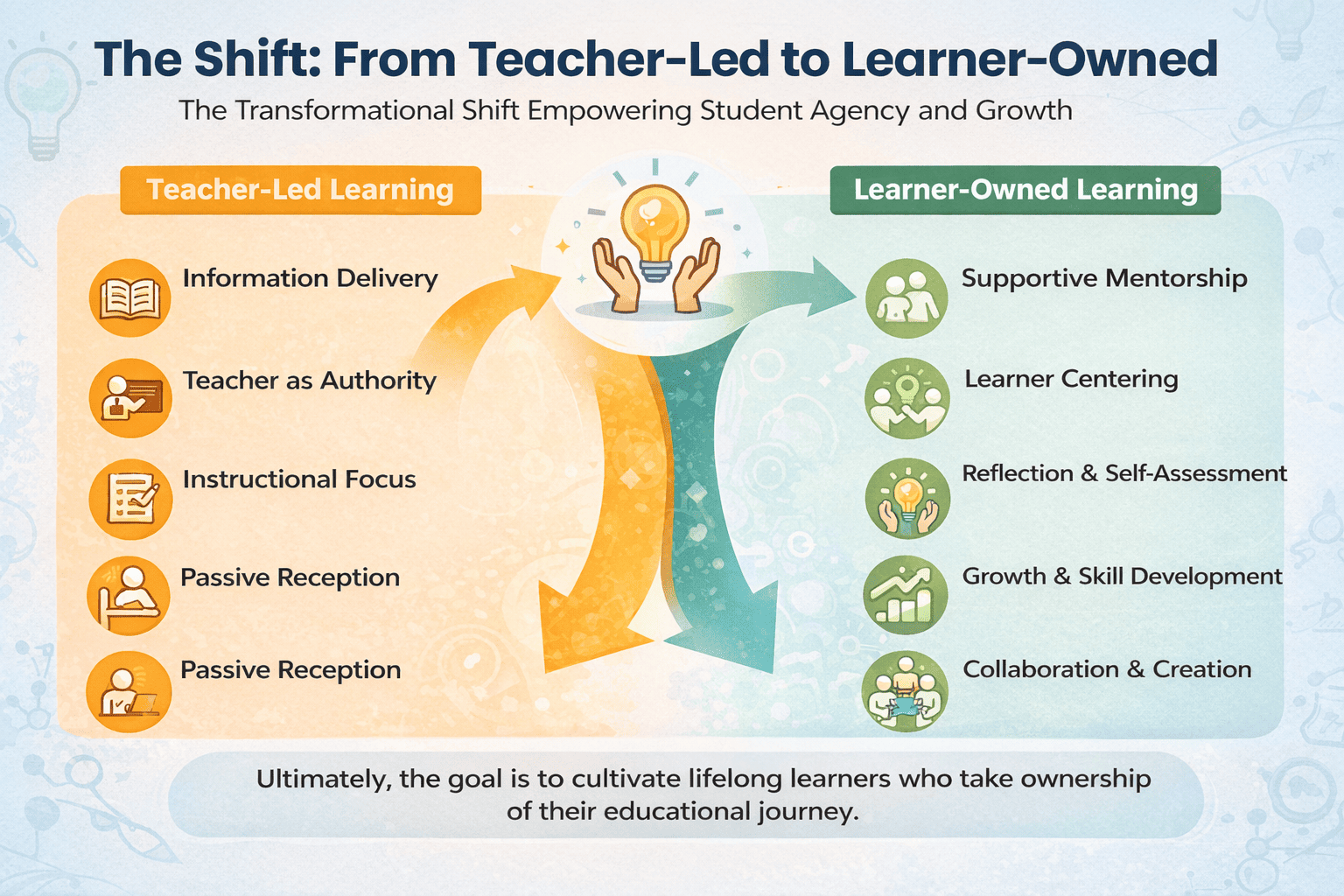
My first classroom as a teacher was in 2000.Today’s classroom is a far cry from the one in 2000. In 2000 it was a teacher centered classroom. Those are the days of chalkboards and text books.

Today’s classrooms are student centered one. The classrooms are tech-savy,interactive and personalised. In today’s world we have hybrid learning concept. The pandemic accelerated the shift to blended learning, combining in person and online instruction. This model offers flexibility and inclusivity allowing students to access global classrooms and resources

Students today are very inquisitive, sensitive and knowledgeable. The teachers must update their knowledge, teaching skills and must be tech savvy. In earlier times it was an individual learning and now it is a collaborative learning where students work together on shared devices, promoting team work and communication skills.

Enjoyed the read? Spread the word

Interested in being featured in our newsletter?

Check out the latest edition here.

Feature Articles

Join Our Newsletter

Your monthly dose of education insights and innovations delivered to your inbox!

powered by Advanced iFrame