Ei Study

EI color

Learning
Pulse

Edition 15 | March 2026

Educators Speak: Principal Interview

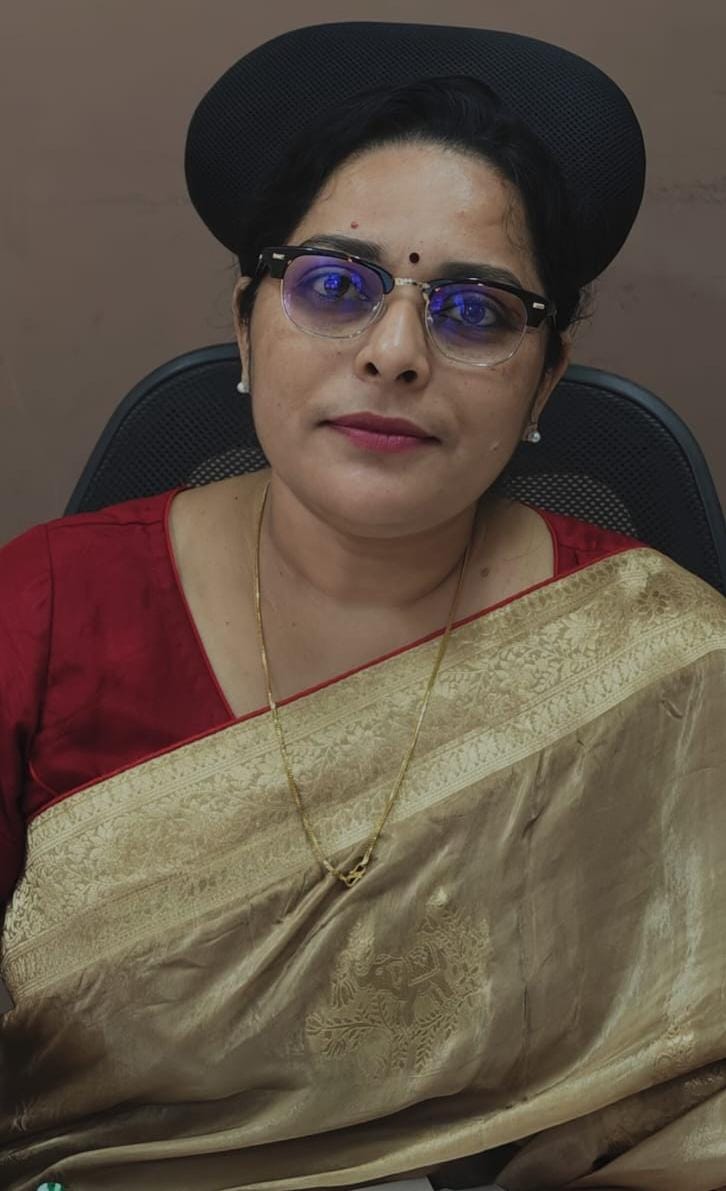
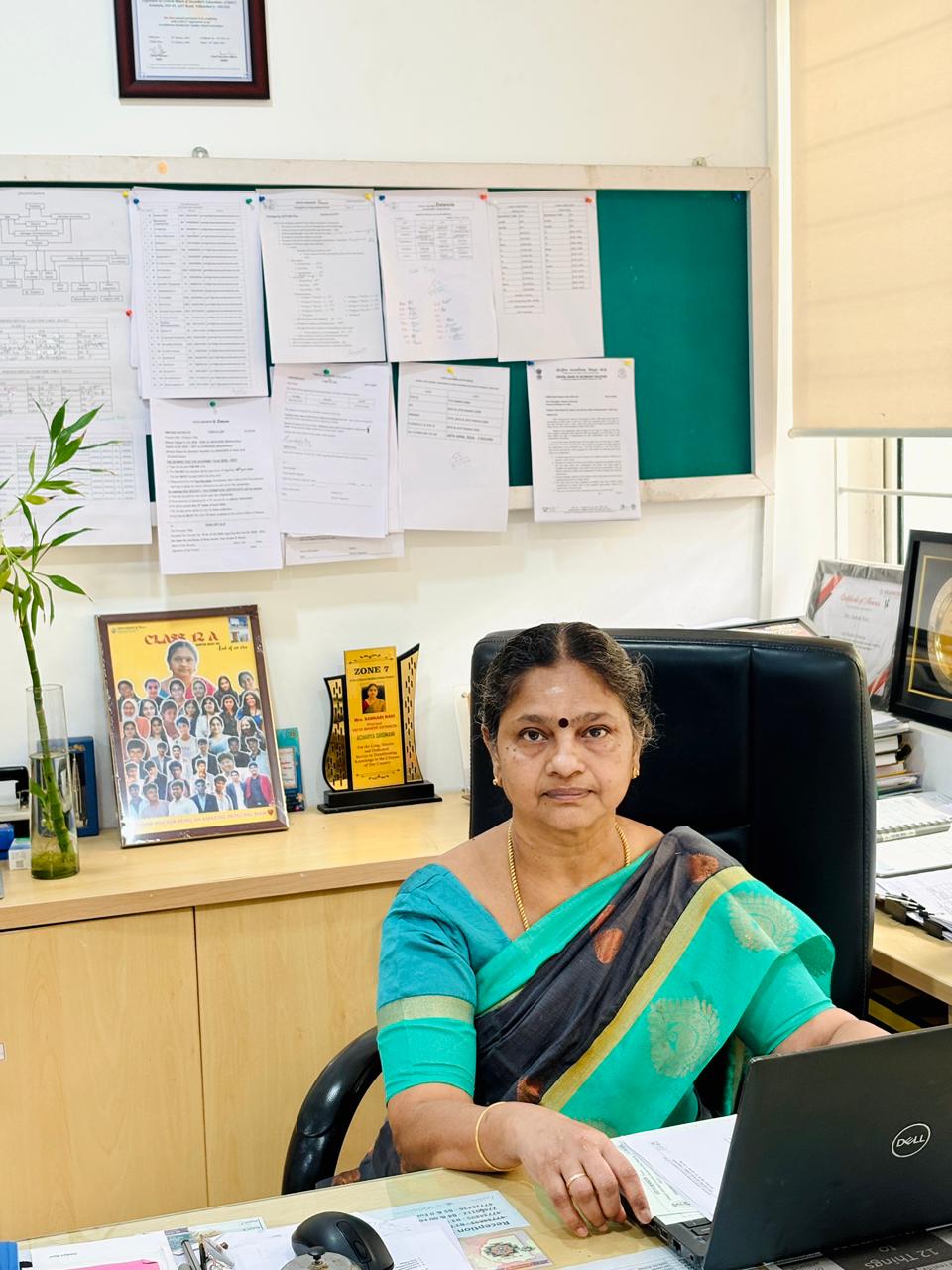
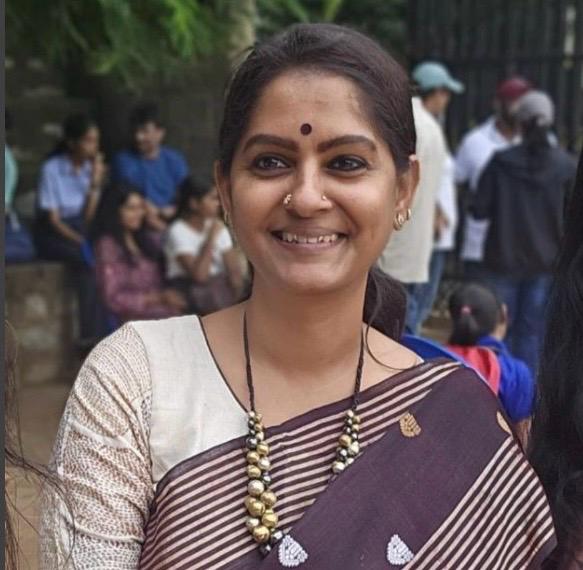
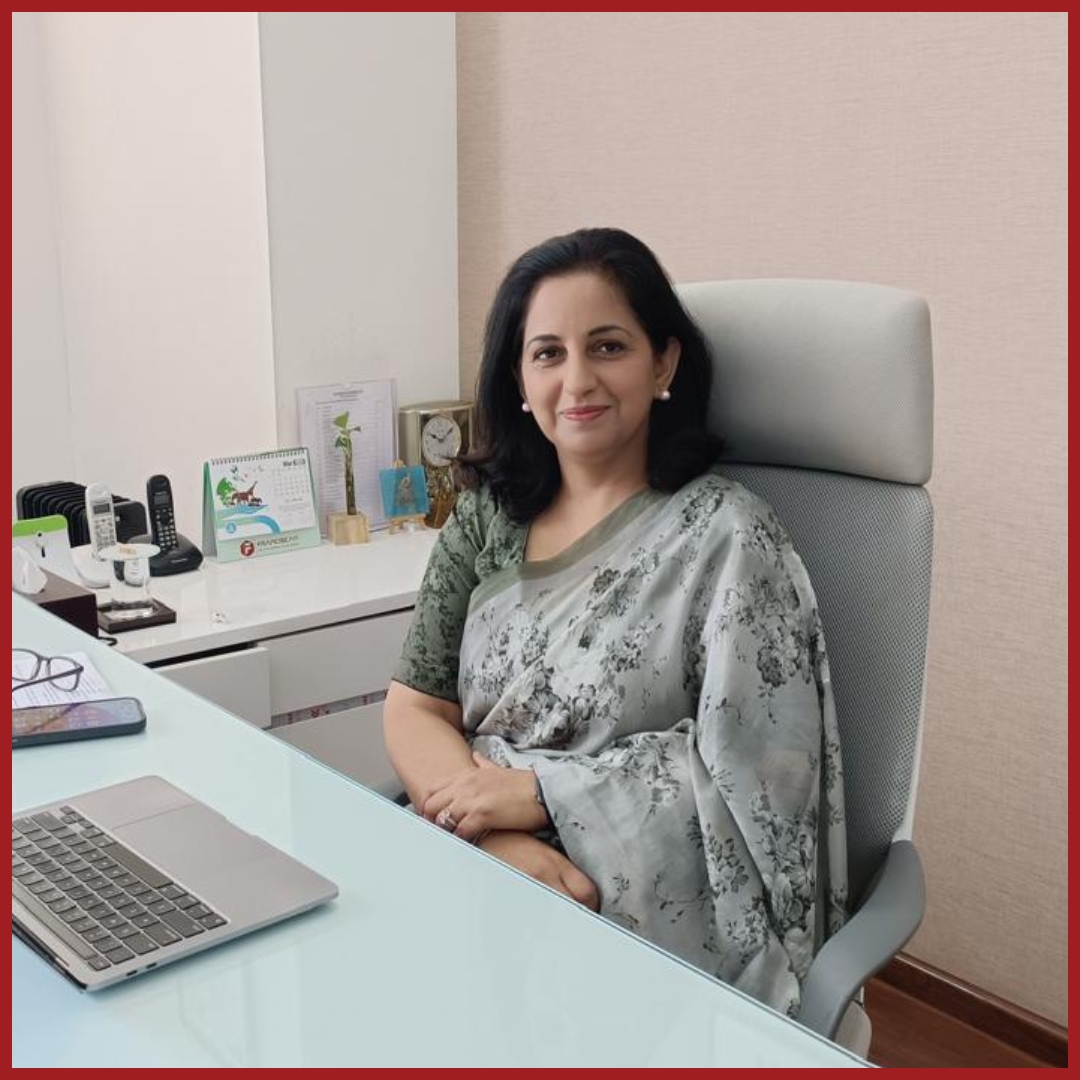
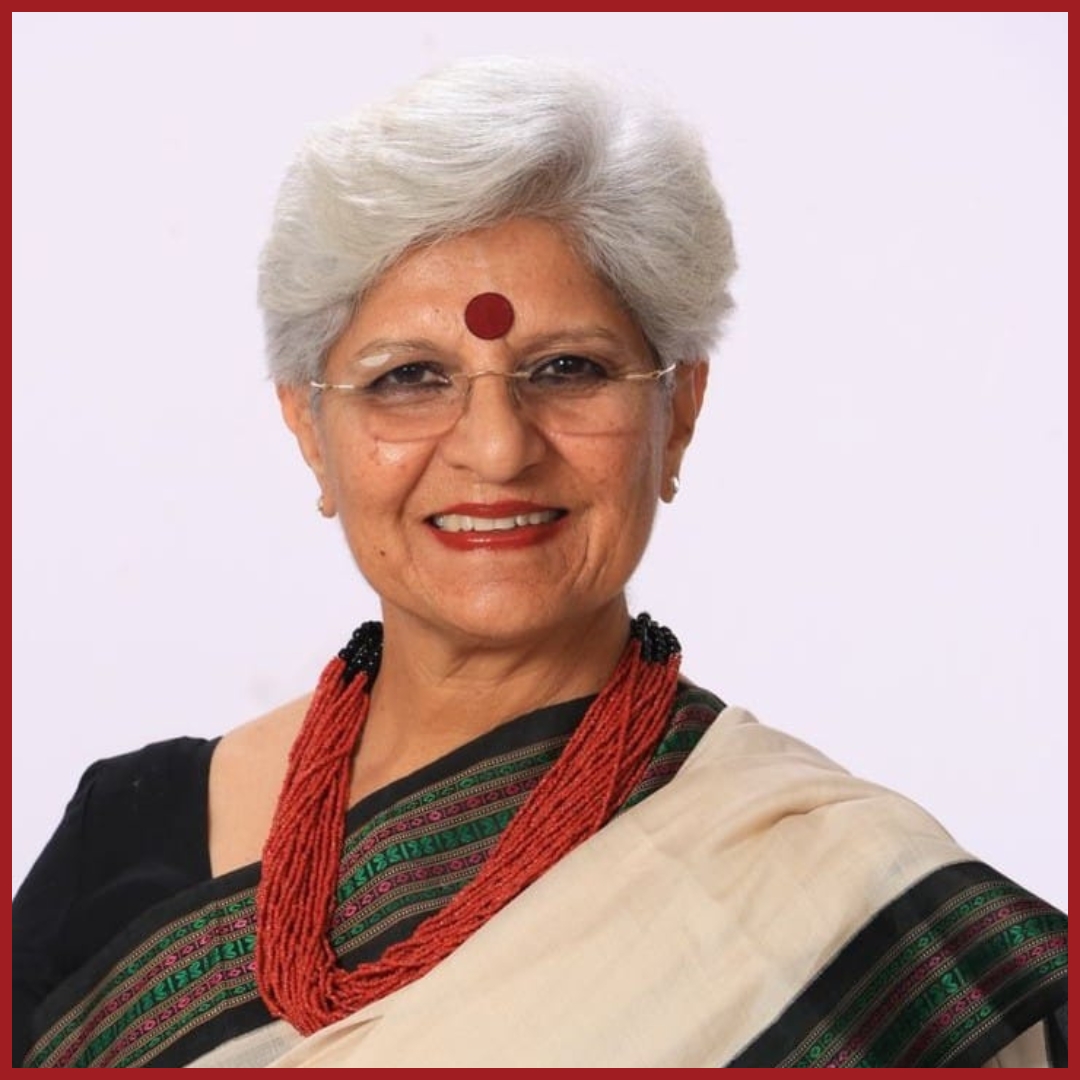
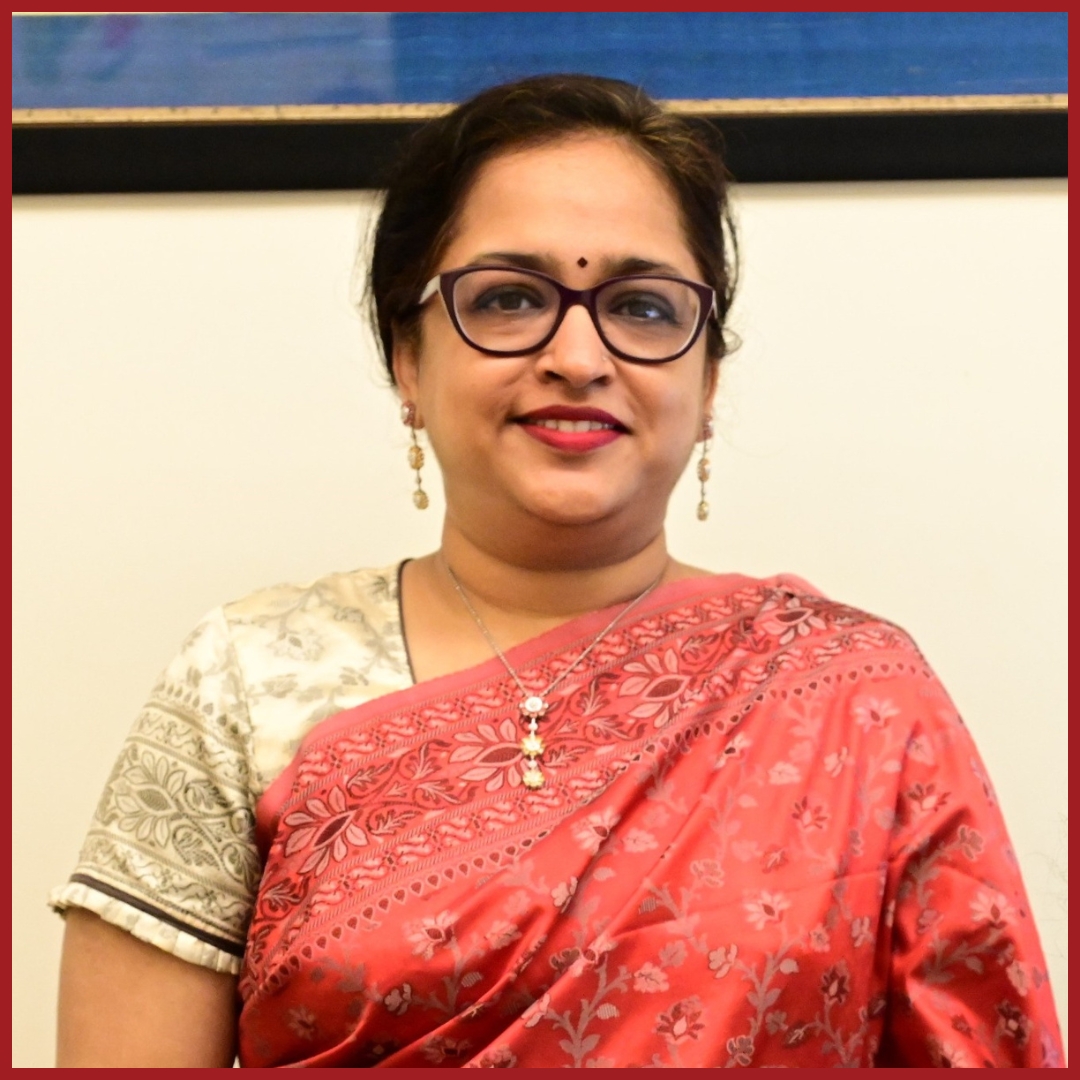
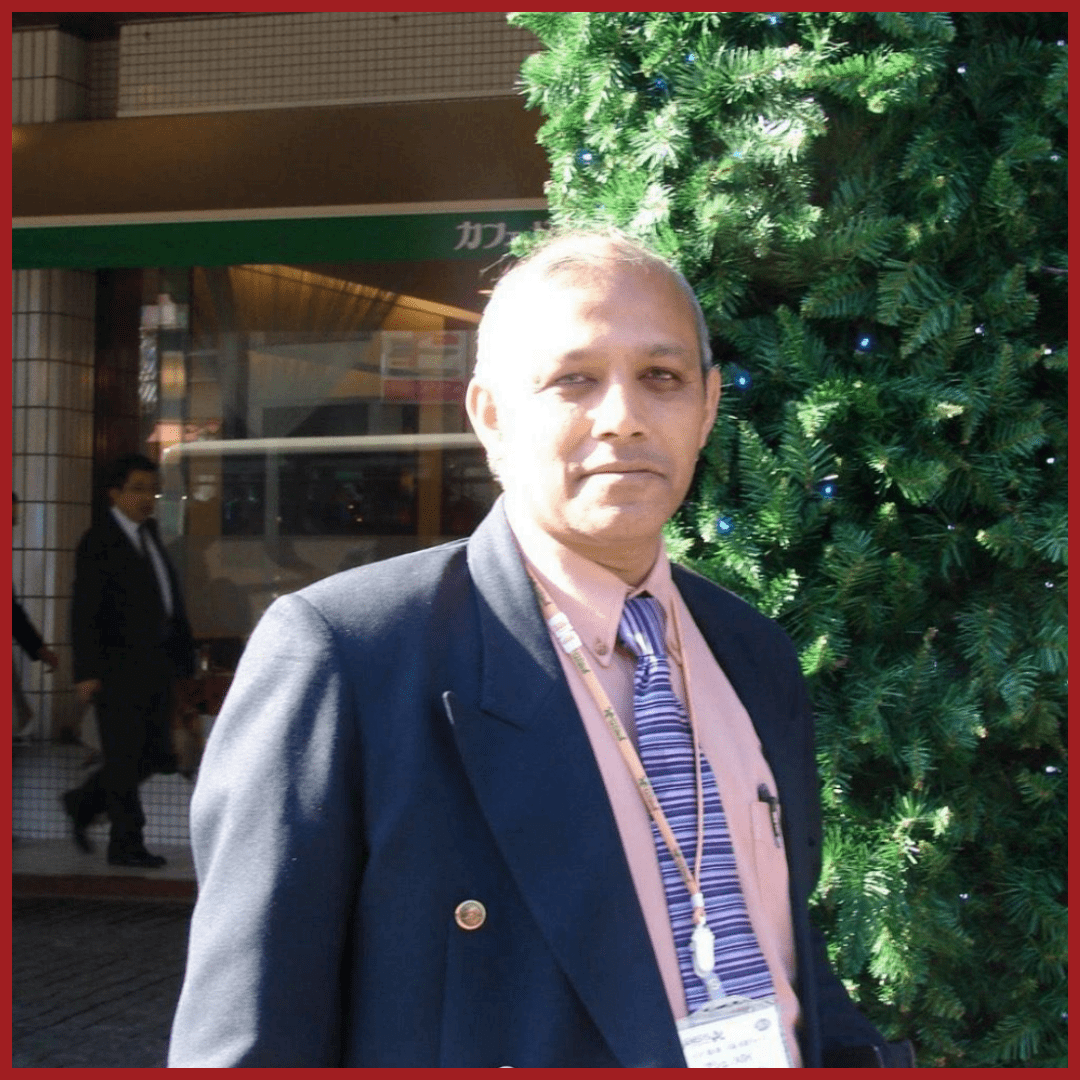
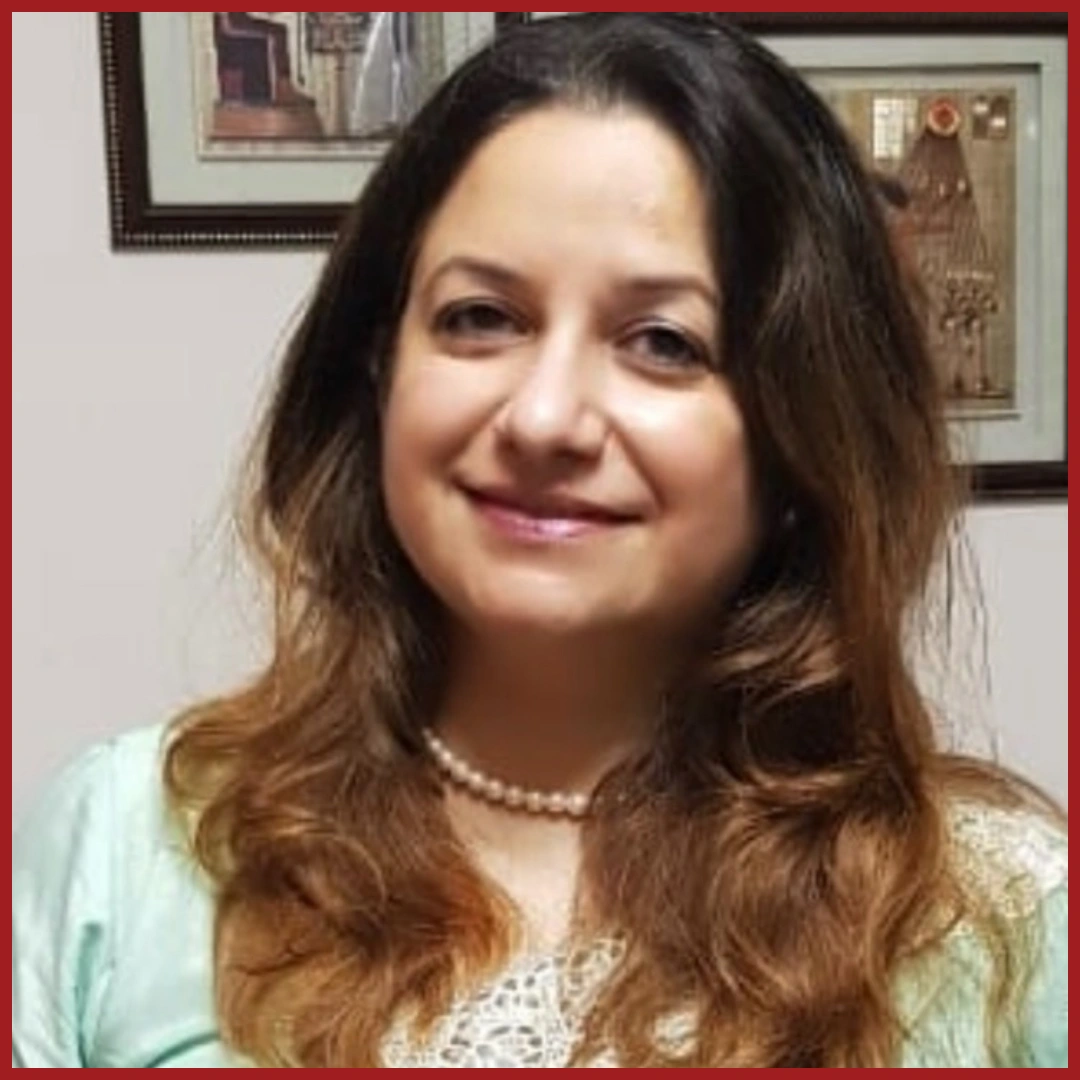
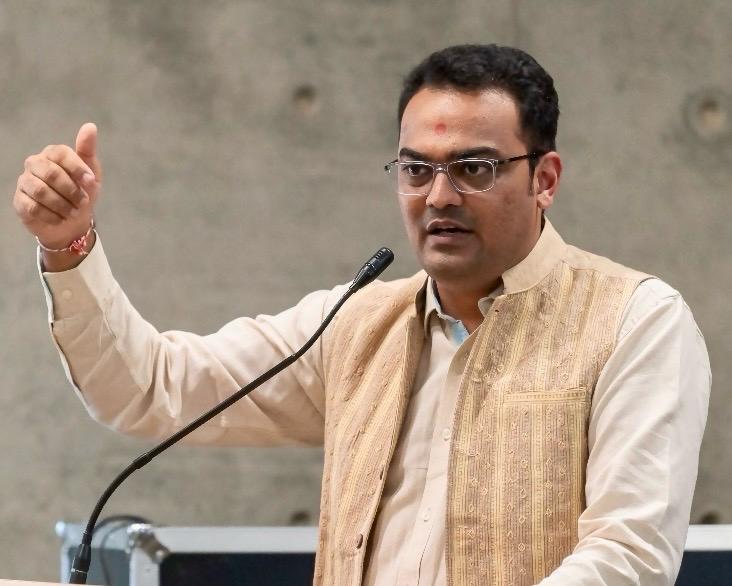
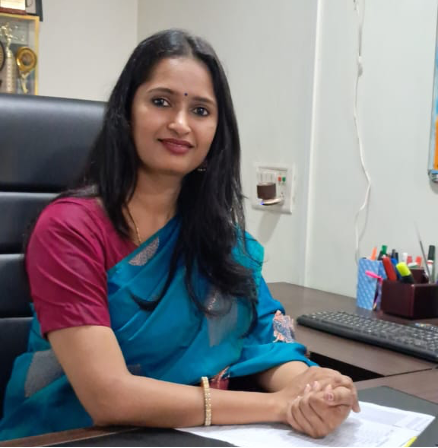
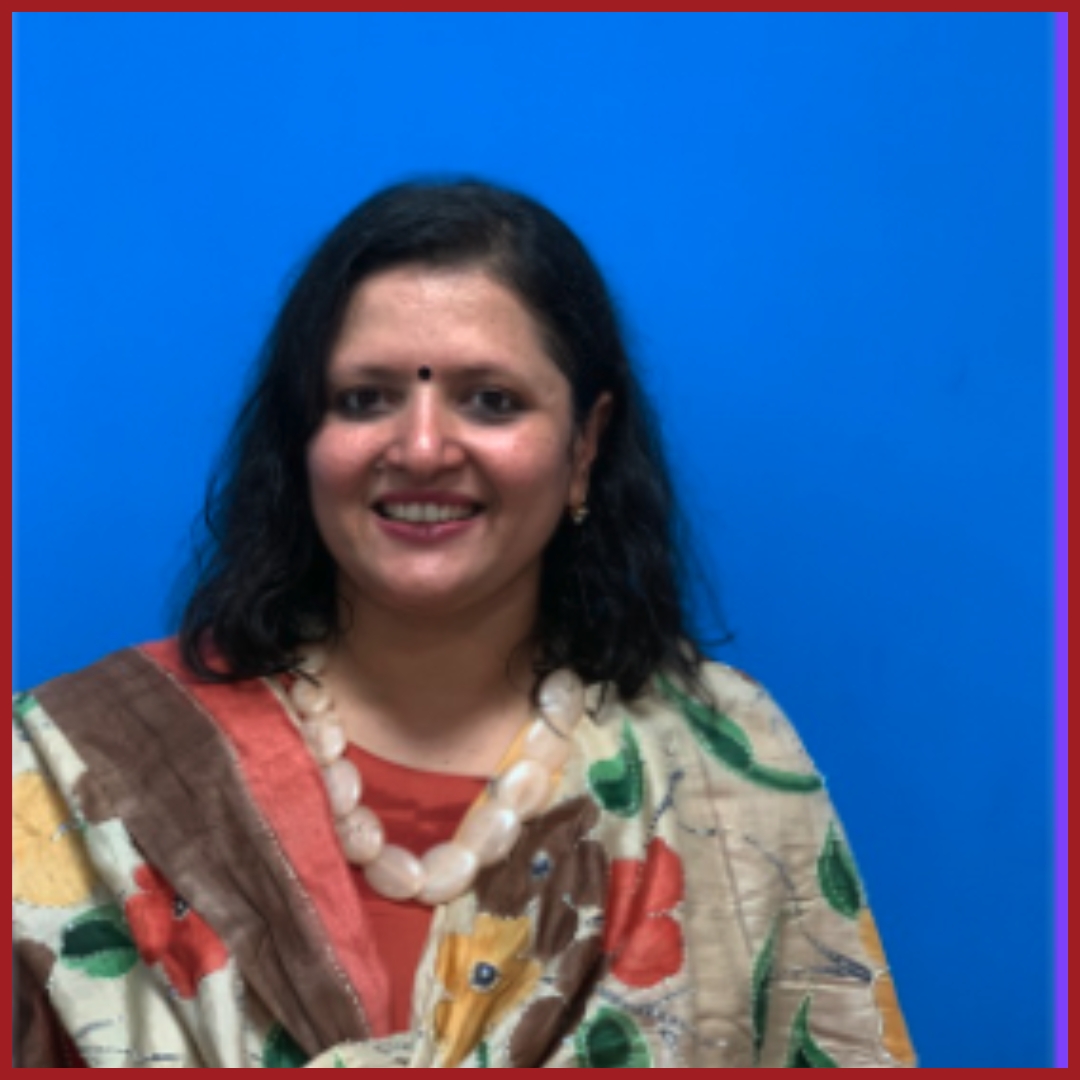
Ms. Subhra Mishra

Ms. Subhra Mishra is an accomplished education leader with over 20 years of comprehensive experience in academic leadership, school administration, and institutional transformation. She currently serves as the Principal of Sunbeam School, Narayanpur, where she leads strategic academic planning and fosters a culture of excellence and holistic development.

Her professional expertise includes curriculum design and restructuring, Early Childhood Education implementation, experiential and skill-based learning integration, teacher training and supervision, academic auditing, policy formulation, and school operations management. She has consistently driven student-centric reforms aligned with competency-based education and structured pedagogical frameworks.

In addition to her strong administrative and academic capabilities, Ms. Mishra is recognised for her leadership presence, mentoring approach, effective communication skills, emotional intelligence, and ability to build collaborative teams. She is deeply committed to educator empowerment, inclusive education practices, and creating supportive learning environments that nurture confident, future-ready learners.

She is also a certified Master Trainer with the Central Board of Secondary Education (CBSE) and serves as a CBSE Resource Person, actively contributing to national capacity-building initiatives. In this role, she conducts professional development programs, workshops, and training sessions to up-skill teachers and school leaders in competency-based education, assessment reforms, and pedagogical innovation. Through her training engagements, she continues to strengthen instructional leadership and promote best practices across educational institutions.

Q1. Every school leader brings a distinctive philosophy to education. What core belief about teaching and learning most strongly shapes the culture of your school?

I have always maintained the belief that the educational philosophy that will serve as a guiding light for Indian schools cannot be one that has been mindlessly copied or filched from what other countries are doing or have done in the past. India has its own socio-cultural challenges that we need to address through our institutions. In this regard, I find the sage words of Swami Vivekananda very useful and motivating. He says, “We want that education by which character is formed, strength of mind is increased, the intellect is expanded, and by which one can stand on one’s own feet.” This outlook towards education acts as my guiding light. This also complements our school motto: Duty, Discipline, and Devotion. Additionally, I have ensured that the meaning and goals of education do not remain restricted to the classroom. This is achieved by including practices of experiential learning, maintaining a strong focus on extracurricular activities, and placing emphasis on co-scholastic areas. The aim is not only to build academically brilliant students, but also to instil in them the values of empathy, sportsmanship, and gratitude so that they become ideal citizens of our country.
Q2. Many schools today are speaking about competency-based learning. In your experience, what does this shift look like in everyday classroom practice?

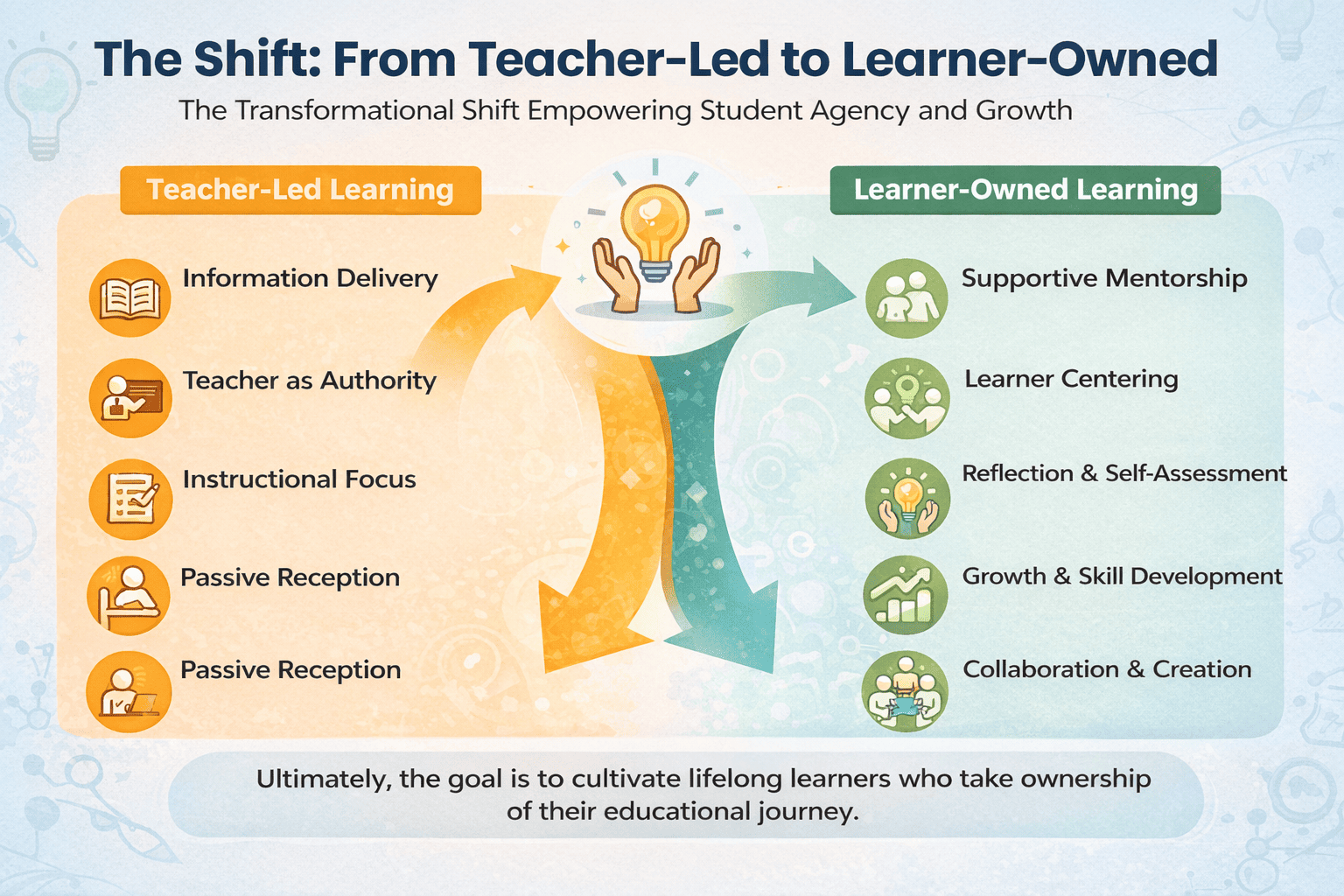
Even before competency-based learning became mainstream, I had the opportunity to implement it at various levels. From a hands-on approach to all subjects to engaging students with projects, discussions and other tools, each method was chosen to develop specific skills. At Sunbeam School, we ensure that students do not equate learning with rote memorisation. The emphasis has always been on the application of the things learnt in the classroom to real world situations by nurturing critical thinking, creativity, emotional intelligence, quantitative aptitude, and problem solving. This has led to an overall and multifaceted growth in our students and has improved their confidence and conviction in themselves. This is only possible when students do not treat learning as a one-time experience or a burden and are made aware of ways in which they can improve themselves in a friendly manner. I feel proud to state that our student centric approach revolves around our only priority, our students.

Q3. Assessment is undergoing significant change globally. What role do you believe assessment should play in helping students grow rather than merely measuring performance?

In my opinion, assessment should be seen as a tool for improvement instead of merely associating it with grades. I also believe that assessments that do not reflect the strengths and areas of improvement for the student, and are designed solely to provide a numerical output, lack the most important thing: the space for feedback. In my experience, effective and well-designed assessment tools help educators know their students better. It makes it easier for them to understand each student, identify their strengths and weaknesses, learning gaps and lacunae, and the sectors where some work may be required. Keeping this in mind, at Sunbeam School, Narayanpur, we carry out continuous and formative assessments throughout the year by including quizzes, classroom activities and discussions, projects and reflective tasks. This allows students to work on their skills and also gives teachers the time to carefully understand and support their students so that they can work for their development in partnership with their parents and guardians.

Q4. What role do you believe parents should play in supporting meaningful learning beyond homework and exam preparation?

Parents form an important pillar of our Sunbeam family. We treat them as partners in this journey of the holistic development of our students. As mentioned previously, regular parent-teacher meetings and feedback sessions enable us to understand the educational and emotional needs of our students and tailor specific programmes for them. We conduct regular activities at school that involve the participation of parents and guardians. Our regular engagement with parents also benefits them, as they get to understand our educational philosophy and the techniques we follow at school. This, in turn, helps them provide a nurturing and supportive environment at home, which acts as a continuation of the atmosphere that surrounds students at school. With this view in mind, I personally believe that parents should guide their children to be good human beings above all else. It is said that children learn more by observing than from instructions. Therefore, it is imperative that parents become their role models in values such as resilience, compassion, honesty, and others. I believe that when schools and parents work together, we can achieve the best results for our students.
Q5. In your journey as a school leader, what has been one challenge that significantly shaped your leadership approach?

As a school principal, each day is filled with numerous challenges, and each challenge brings a different perspective and learning opportunity. From handling teachers to ensuring the well-being of students, it is no small task. I believe that dealing with day-to-day activities while leading a school can be an appropriate parallel to any management course because of the sheer number of areas and sectors one has to cover, and the diverse group of people one has to work with. My leadership approach has always been student-first and student-centric. It has always been my primary priority, and the happy faces that greet me every day at school are what drive me to give my best.

One of the most memorable challenges of my teaching career has been being the principal of a school in a rural and remote part of the country. Not only did I appreciate a lot of things more, I also found the rural India’s quest for educating their children very encouraging.

One of the most crucial challenges was the introduction of latest teaching-learning techniques and methods in the school in an area where school education was still associated with rote-learning, simple test and useless memorization. Conveying the same to parents and guardians was not easy either. I had to take countless sessions and seminars to propagate the usefulness and utility of these techniques and the benefits of co-scholastic activities to them. Gradually, they became more receptive of these changes. Another aspect of this same issue was teacher training and upskilling. It was another thing I had to undertake and introduce the educators there to these latest practices. One key takeaway from this experience was the immense influence a school leader and educator can have over people for good. If a principal wants, he/she can be the harbinger of change in the society and immediate community connected with the school.

Enjoyed the read? Spread the word

Interested in being featured in our newsletter?

Check out the latest edition here.

Feature Articles

Join Our Newsletter

Your monthly dose of education insights and innovations delivered to your inbox!

powered by Advanced iFrame