Students were divided into two groups before they had to watch a deliberately dull lecture. The lecture was presented in a monotonous style, without stories, visuals, or other enhancements. In other words, the researchers intentionally recreated the kind of lesson students often describe as boring.
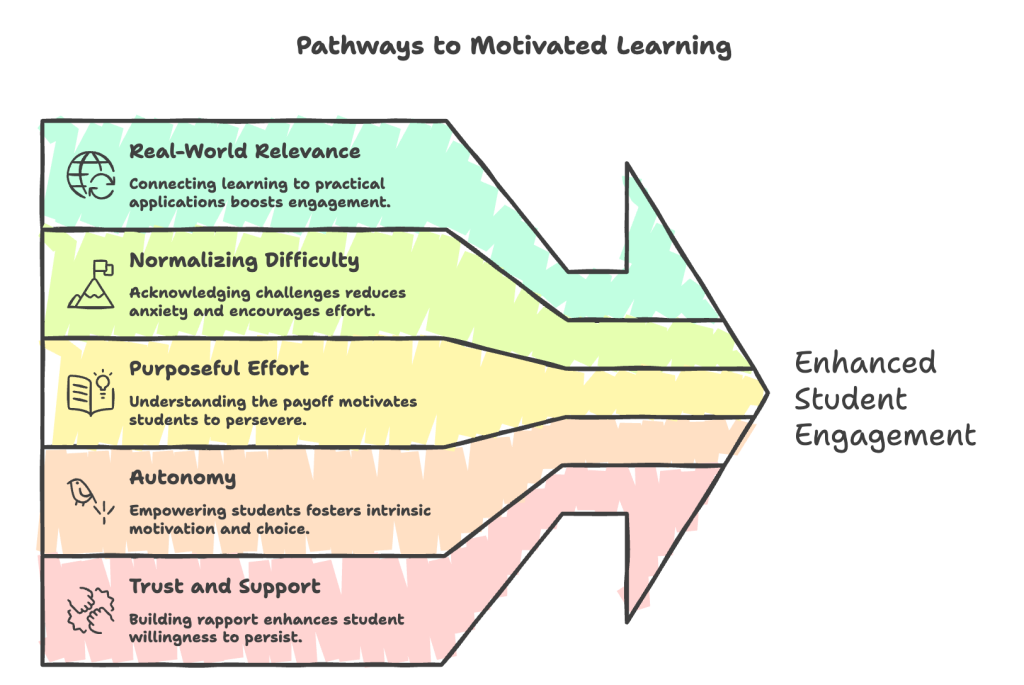
Before the lecture began, one group of students received a short explanation. They were told why the lesson might matter to them in the future and how the ideas could help them later in life. The explanation also acknowledged that the lesson might feel difficult or uninteresting at first, but encouraged them to persist.
The second group did not receive any such message. They simply watched the lecture.
The goal of the study was simple. Could a short explanation about the purpose and value of a task influence how motivated and engaged students felt while doing it?
The Main Findings
The difference between the two groups was striking.
Students who heard the short rationale before the lesson showed:
Higher motivation during the lesson
Greater engagement as the lecture progressed
More interest in the topic being taught
Stronger belief that the learning was important
By the end of the lecture, engagement levels were around 25 percent higher in the group that had heard the rationale.
The benefits were not limited to motivation. When researchers tested learning after the lesson, students who had received the explanation showed up to 11 percent higher understanding of the factual and conceptual ideas presented.
In other words, a brief explanation of why the learning mattered helped students stay engaged long enough to learn more effectively.
Related Research
Earlier studies have explored how students respond when they are asked to complete tasks that feel repetitive or boring.
One experiment asked participants to complete a dull activity where they pressed a button every time a light flashed. When researchers explained the rationale of the task and acknowledged the negative feelings participants might experience, performance improved significantly. The key was that the explanation was delivered in a non controlling way that emphasised choice rather than pressure.
Another study found that when students do not value what they are asked to learn, both their motivation and engagement decline. This pattern becomes stronger as students grow older and are expected to take greater responsibility for independent learning.
Research has also highlighted the importance of the teacher student relationship in shaping motivation (#83). Students are more willing to invest effort when they perceive warmth, trust, and a sense of relatedness with the teacher. In other words, how a message is communicated can be as important as the message itself.
Taken together, these findings suggest that motivation is not simply a matter of making lessons entertaining. It often depends on whether students can see meaning and purpose in what they are learning.
Classroom Implications
This research offers a practical reminder. When students appear disengaged, the problem is not always the content. Sometimes the missing piece is meaning.
This small shift can help students move from passive compliance to purposeful effort.
Sometimes motivation does not come from making learning easier. It comes from helping students see why the effort is worth it.
References
Hulleman, C. S., & Harackiewicz, J. M. (2009). Promoting interest and performance in high school science classes. Science, 326(5958), 1410–1412.
2. Reeve, J. (2012). A self-determination theory perspective on student engagement. Handbook of Research on Student Engagement, 149–172.