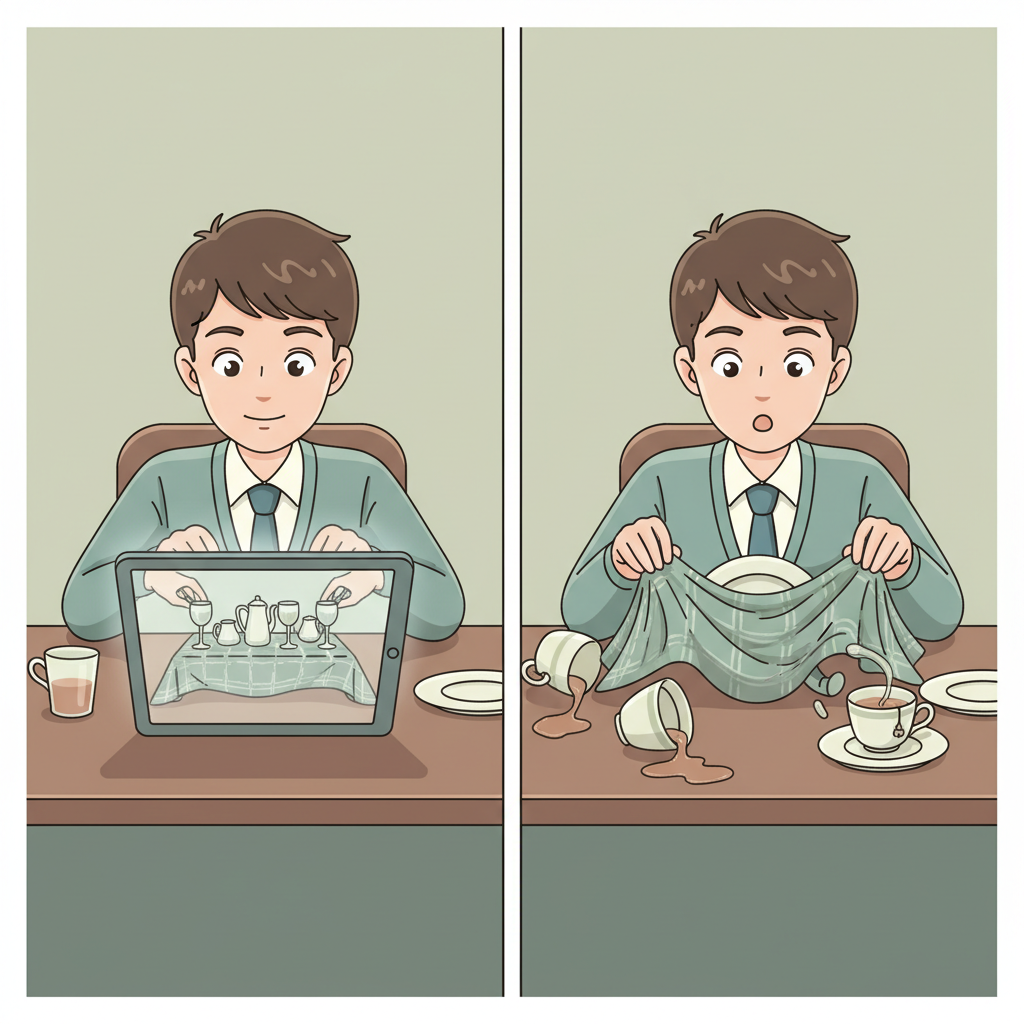
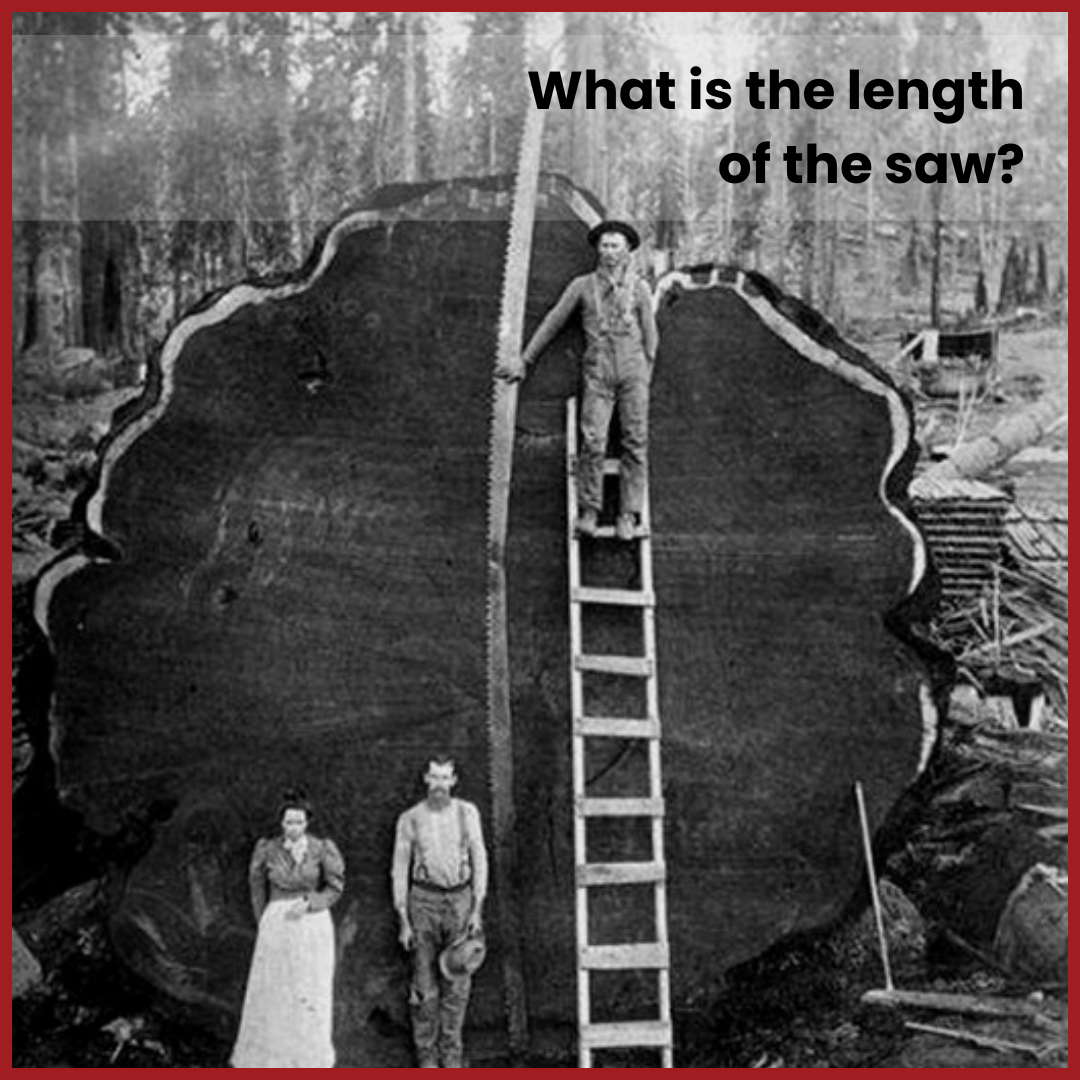
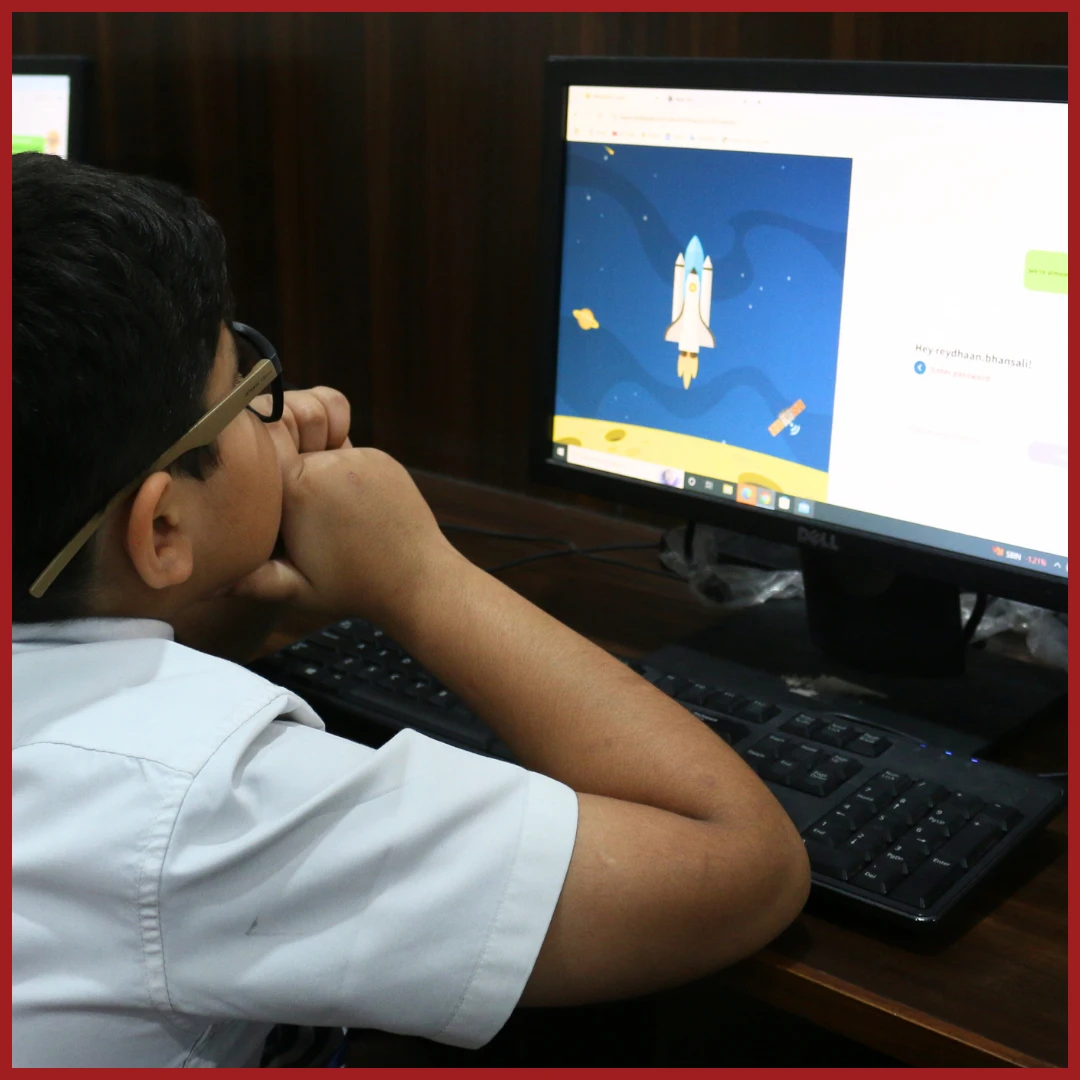
Researchers tested whether watching someone else perform a task gives an inaccurate and over-inflated sense of confidence that you can do it as well. They ran a series of studies that had participants watch other people successfully perform a range of tasks. These included doing the table cloth trick, moonwalking, playing darts and online video gaming. They then measured how confident the participants were at doing it themselves and then had them perform the task to assess the accuracy of their confidence.
The Main Findings
The more that people watch someone else do a skill, the more likely they are to believe they can do it as well.
More doesn’t always equal better. Watching someone else many times did not improve actual ability relative to watching it once.
Interestingly, when people had to read about a task, or think about doing it, it didn’t increase their confidence. This increase in self-belief only occurred when watching someone else do it.
This false confidence from watching someone else many times comes from knowing “what steps to take but not how those steps feel when taking them”.
Related Research
Other evidence suggests that even watching a skilled performer from multiple angles and in slow motion is not enough to master a skill from sight alone, as “no matter how many times people watch a performance, they never gain one critical piece: the feeling of doing”. Research does suggest that observing others is better than doing nothing, but to really develop talents and expertise requires many hours of deliberate practice.
A recent survey asked students which of the following five options would they first seek and then use most to help them learn new material. The options were a) watching others perform the task, b) reading about it or c) hearing the instructions. Overall, watching others perform was reported as the go to strategy, the easiest to process and the most effective. The results from this study suggest that this may not be a wise choice. As the researchers of the study conclude, “while people may feel they are acquiring the skills that athletes, artists and technicians perform in front of their eyes, often these skills may be easier seen than done”.
Classroom Implications
Previous classroom research has indicated that it often is students who struggle the most who are more likely to have a false sense of confidence. This is referred to as the “Dunning-Kruger effect”. This may be compounded by watching someone else perform a task successfully many times, as it results in a “misunderstanding of the kind and amount of practice needed during subsequent training and therefore be no better prepared”.
This suggests that false confidence is the result of knowing the step-by-step guide of what to do but not having first-hand experience of actually doing it. The former breeds confidence, whereas the latter develops competence. Therefore, it is advisable that showing students what to do may be a good start, but for learning to be truly effective, they really need to practice it for themselves.
Reference
Kardas, M. & O’Brien, Ed (2018). Easier seen than done! The illusion of skill acquisition through observation. Psychological Science 29(4) 521–536.