Tackling Misconceptions at the Root- My Misconception Mentor
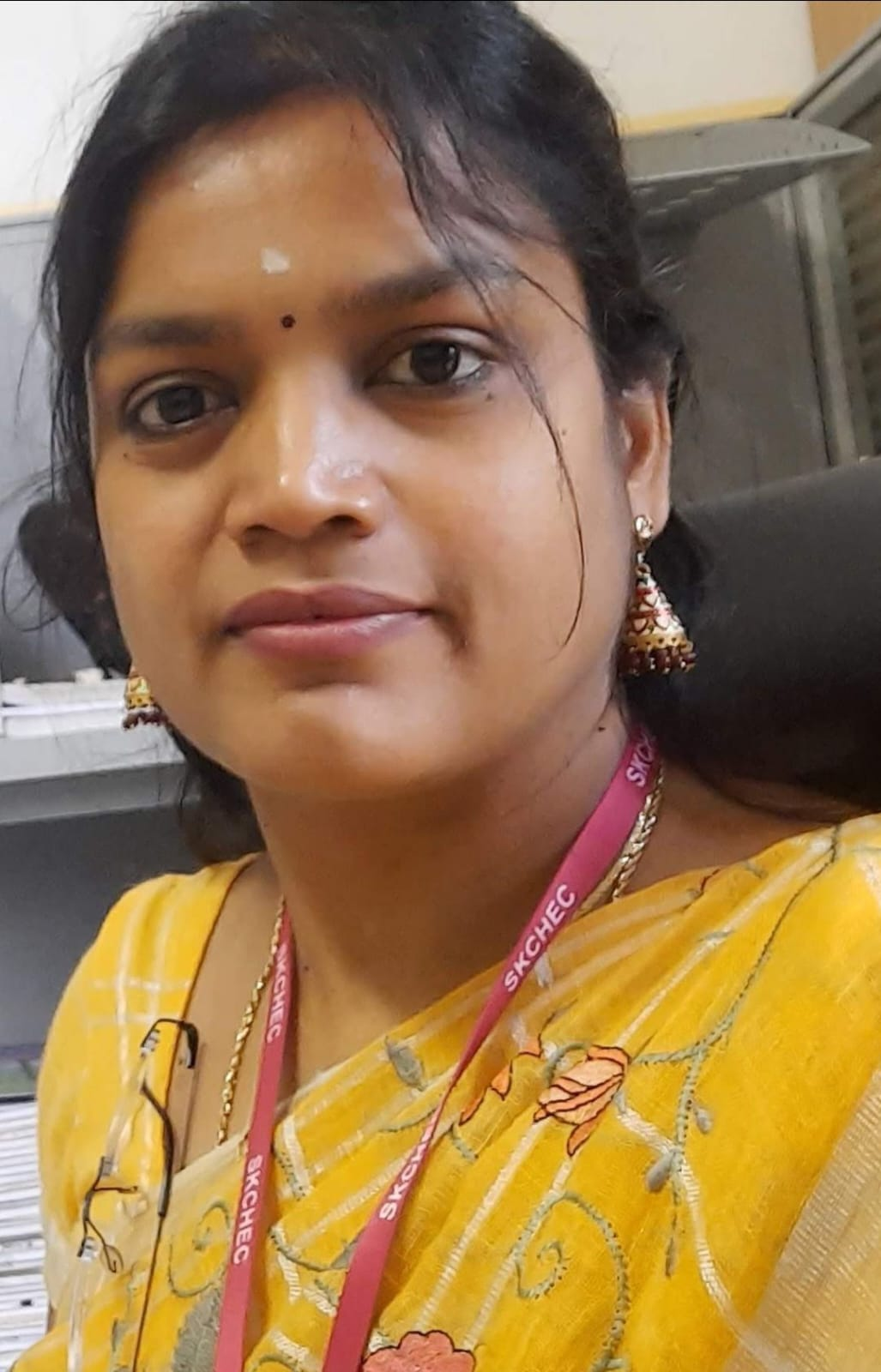
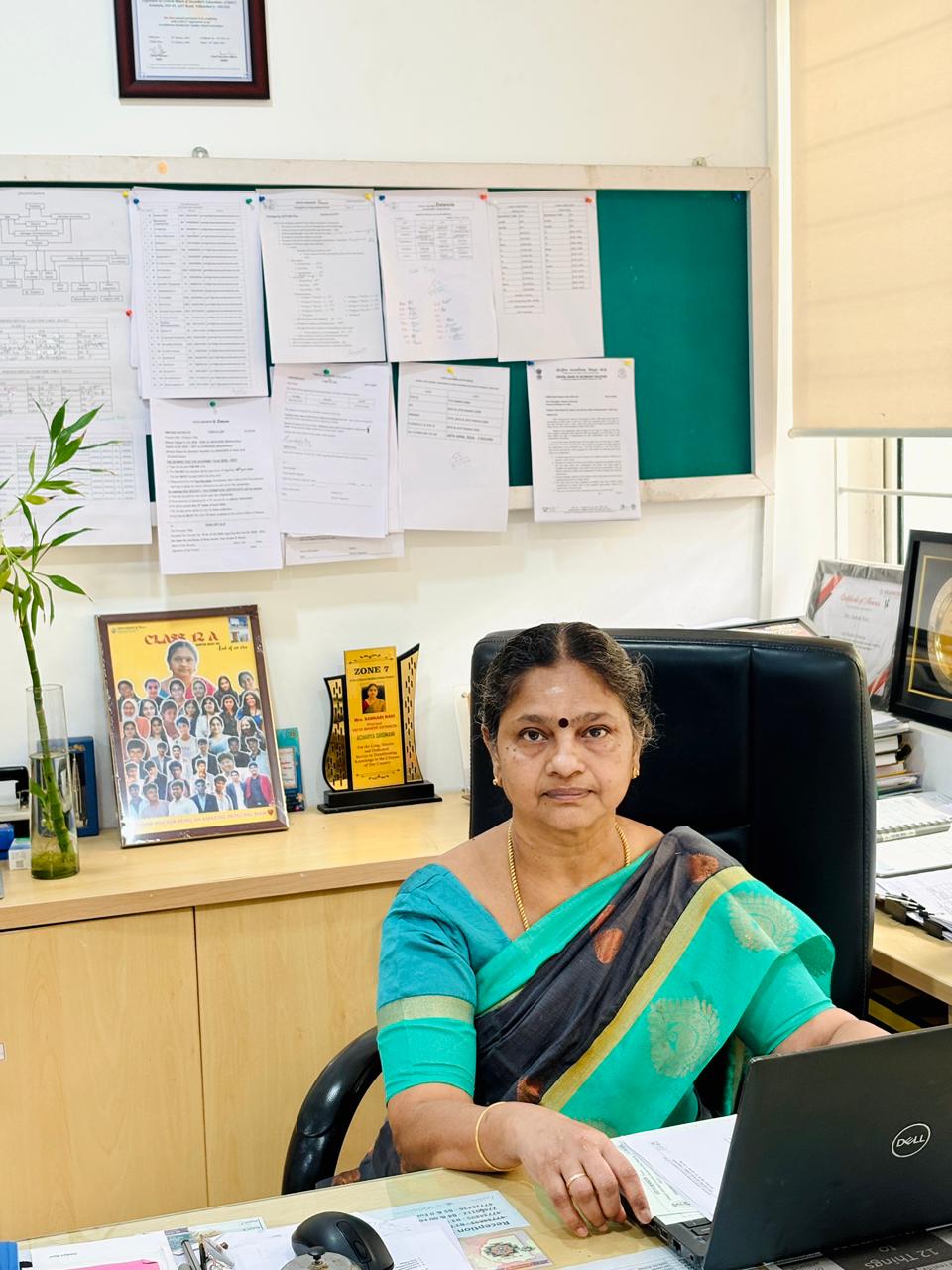
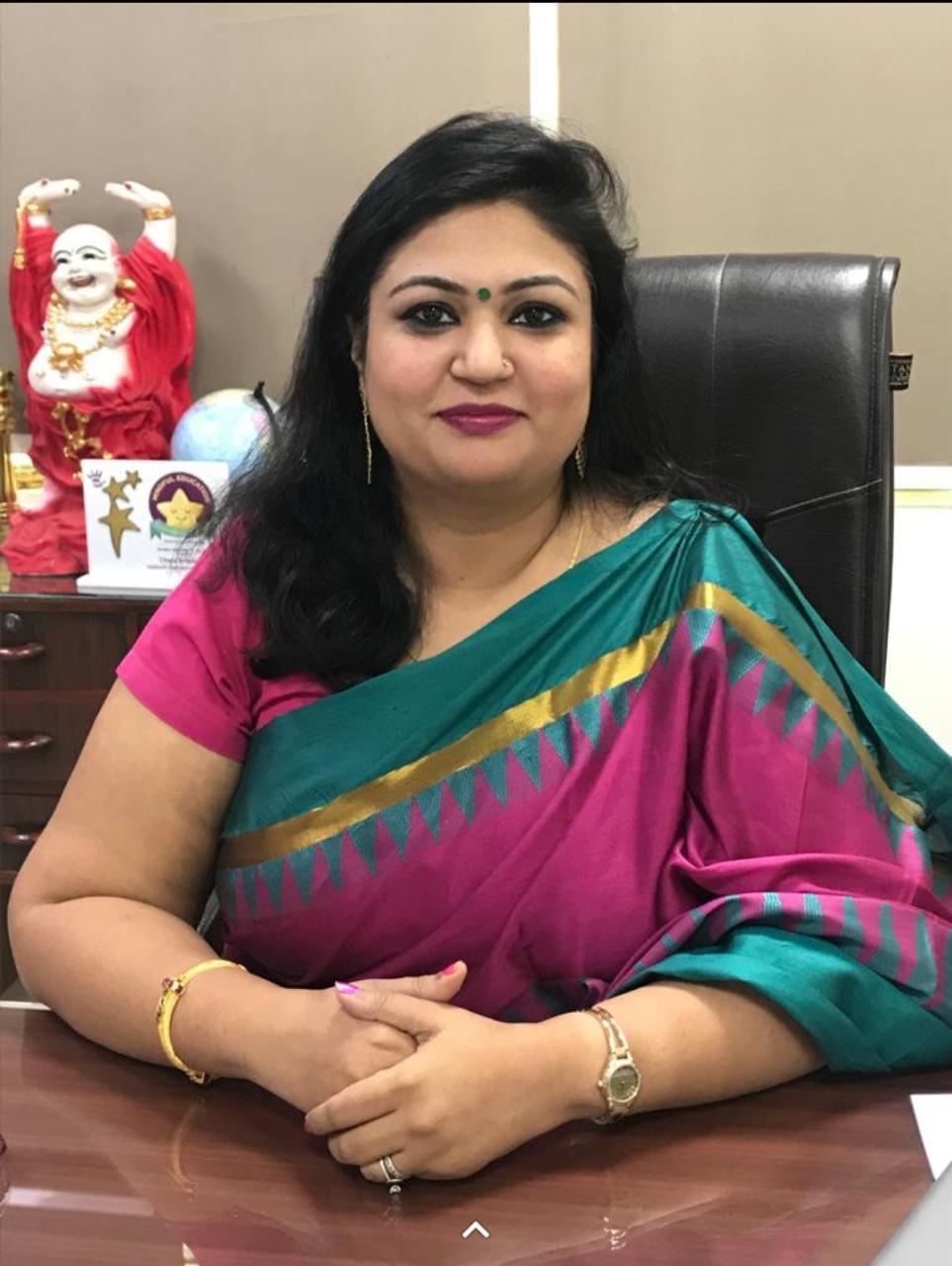
“My perspective towards the answers from the children has changed totally. What the child answers is more important. Because of that, children started approaching me much better. Within these 3 months, I could see, because now they know that I’m not going to shout, or I’m not going to ask them ‘you don’t know this?’ All these statements have gone. So I’ve become an approachable teacher to them now.” – Middle School Math teacher from PSBB Group of Schools
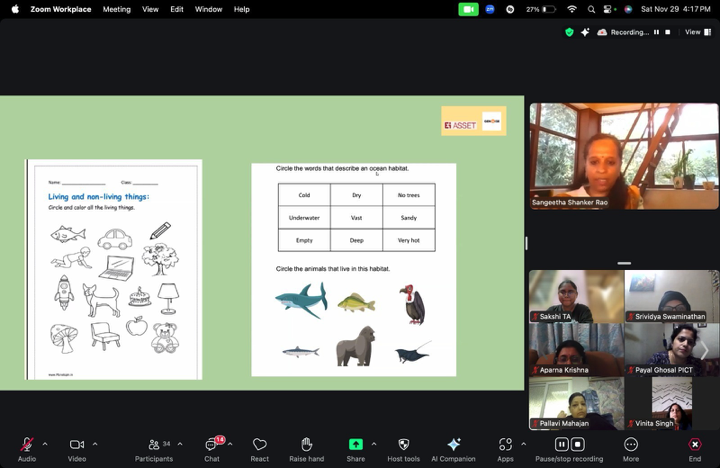
This is a quote from a middle school math teacher. They were part of the June-September 2025 cohort of My Misconception Mentor (M3), a teacher mentoring course from Ei-GenWise. The program had eight sessions over three months, meeting fortnightly. Long enough for teachers to test ideas in the classroom in between sessions, reflect, and return with questions.
The focus: tackling the root causes of student misconceptions identified through two decades of ASSET diagnostic data.
The problem isn’t what you’d expect
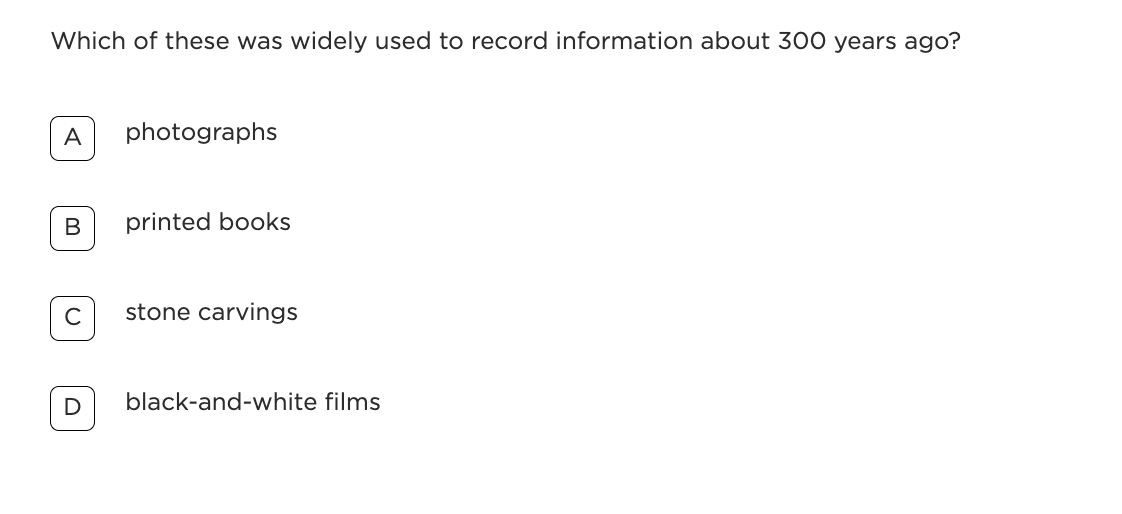
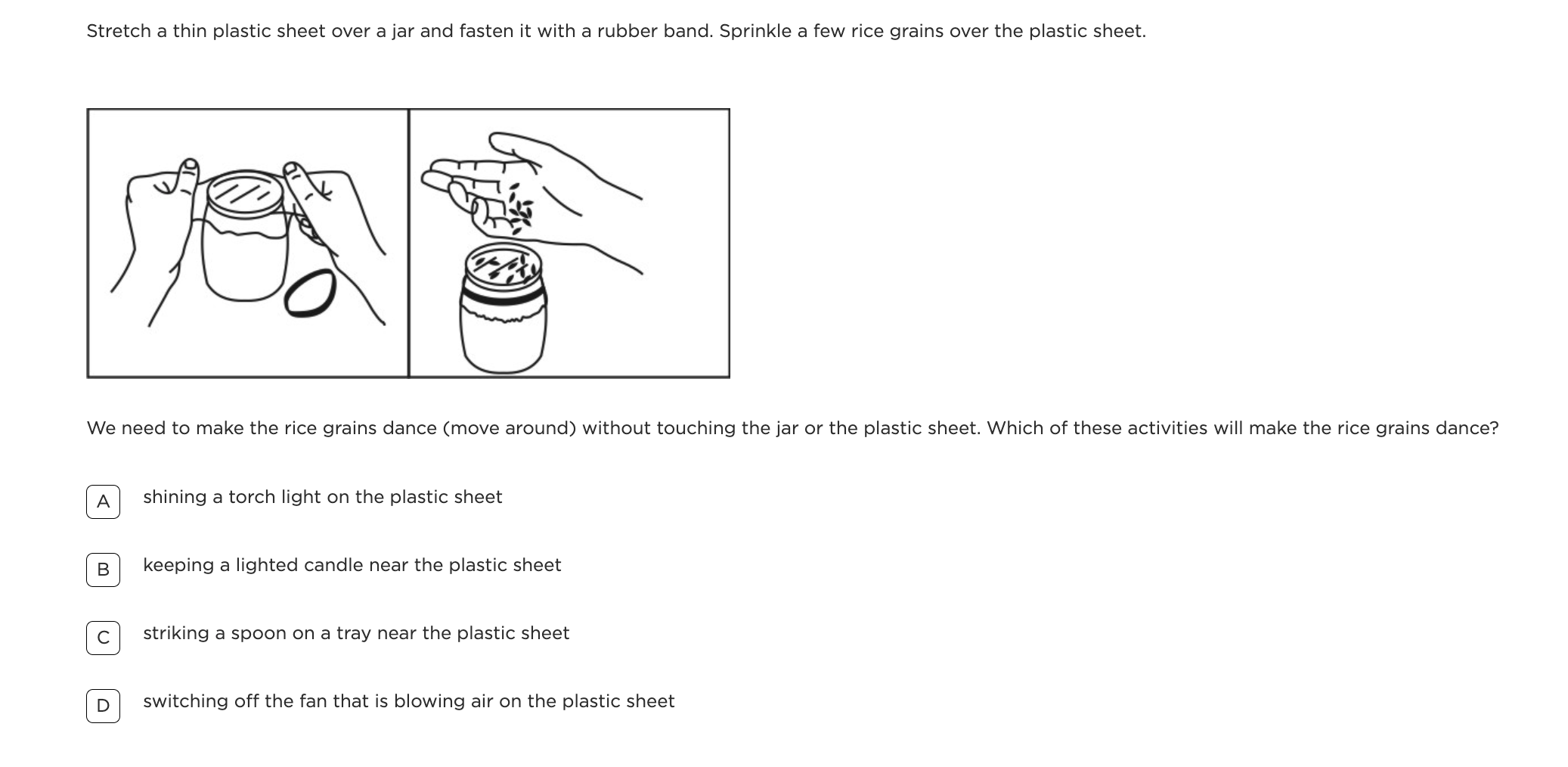
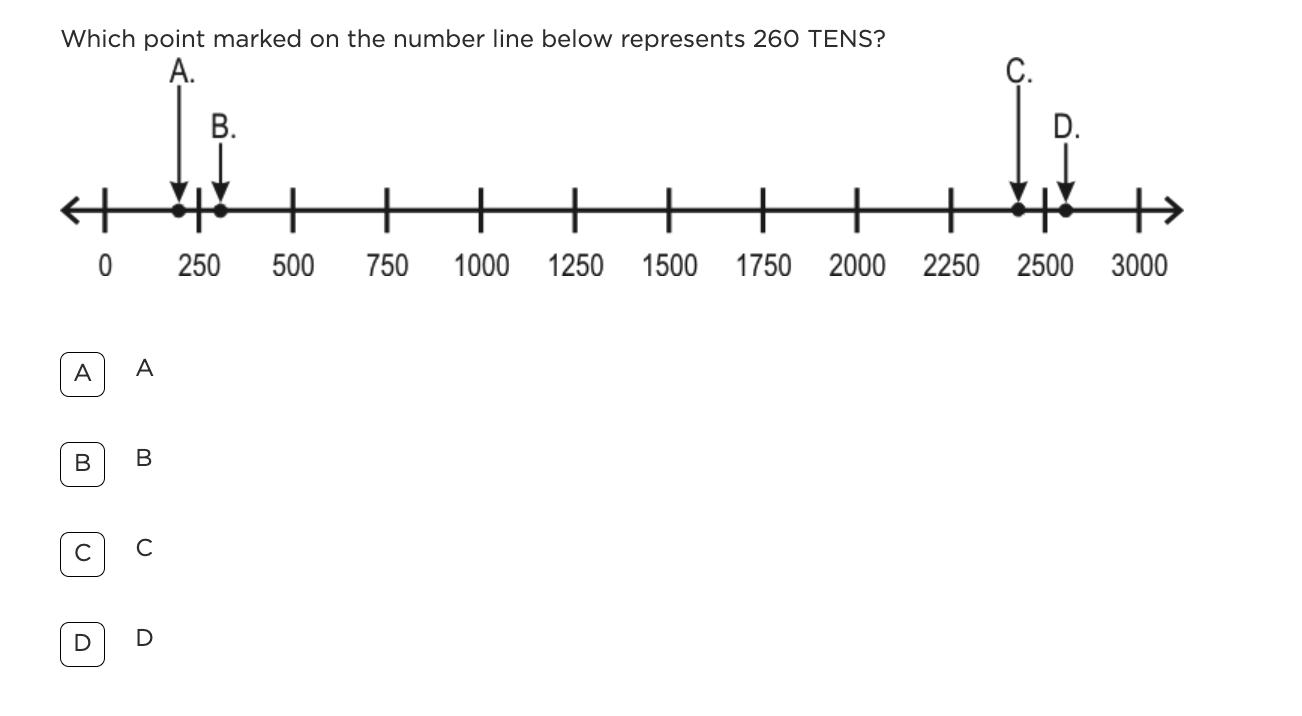
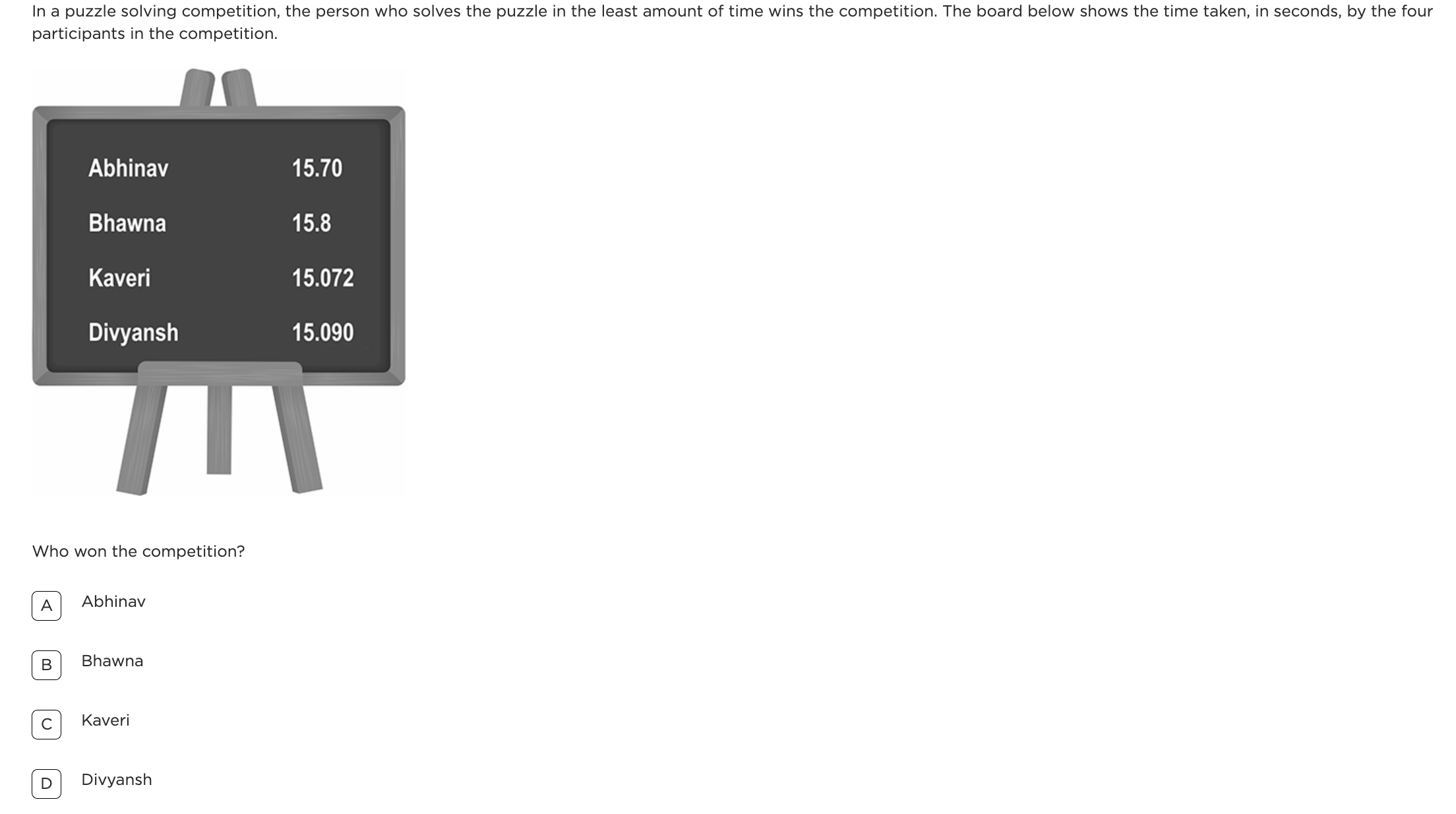
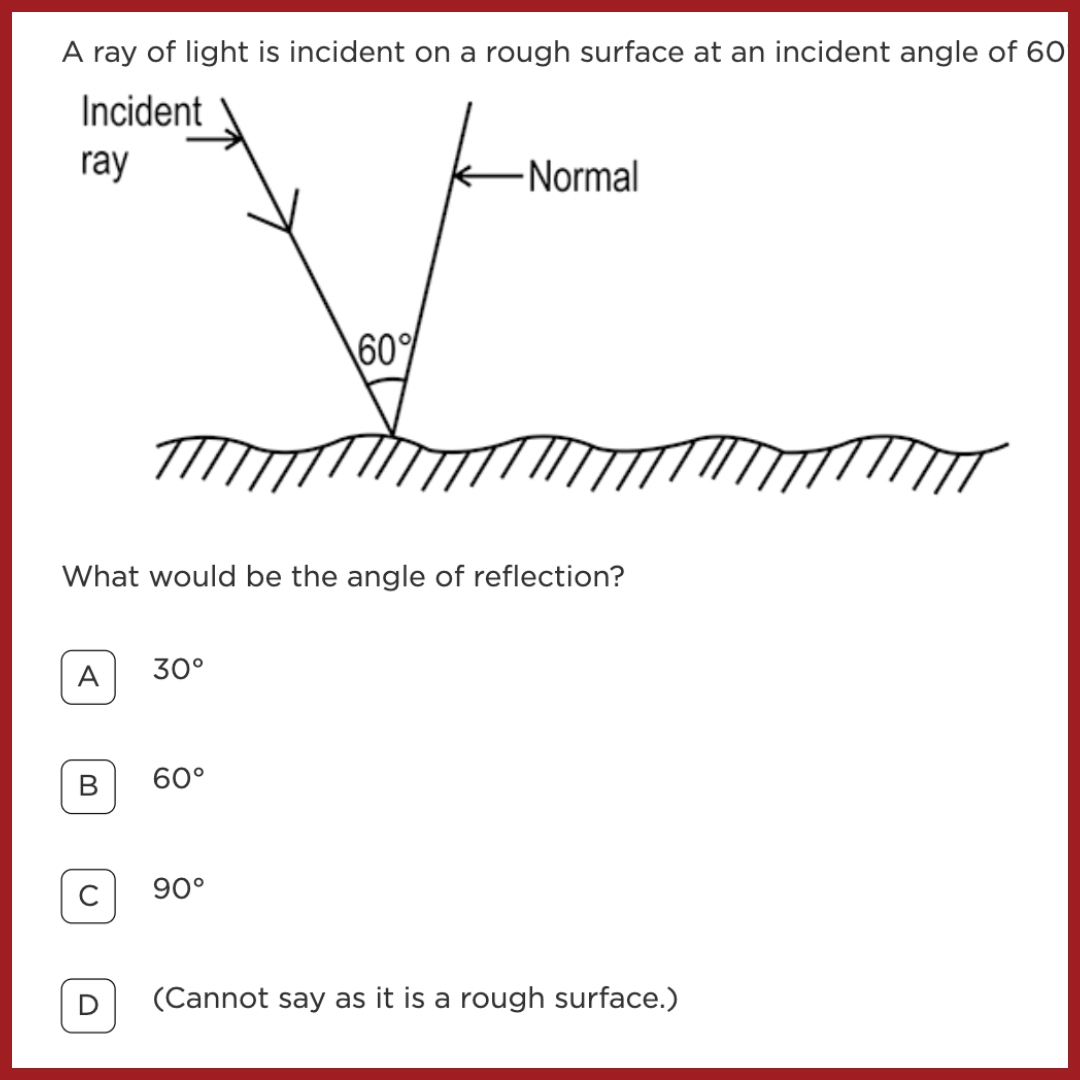
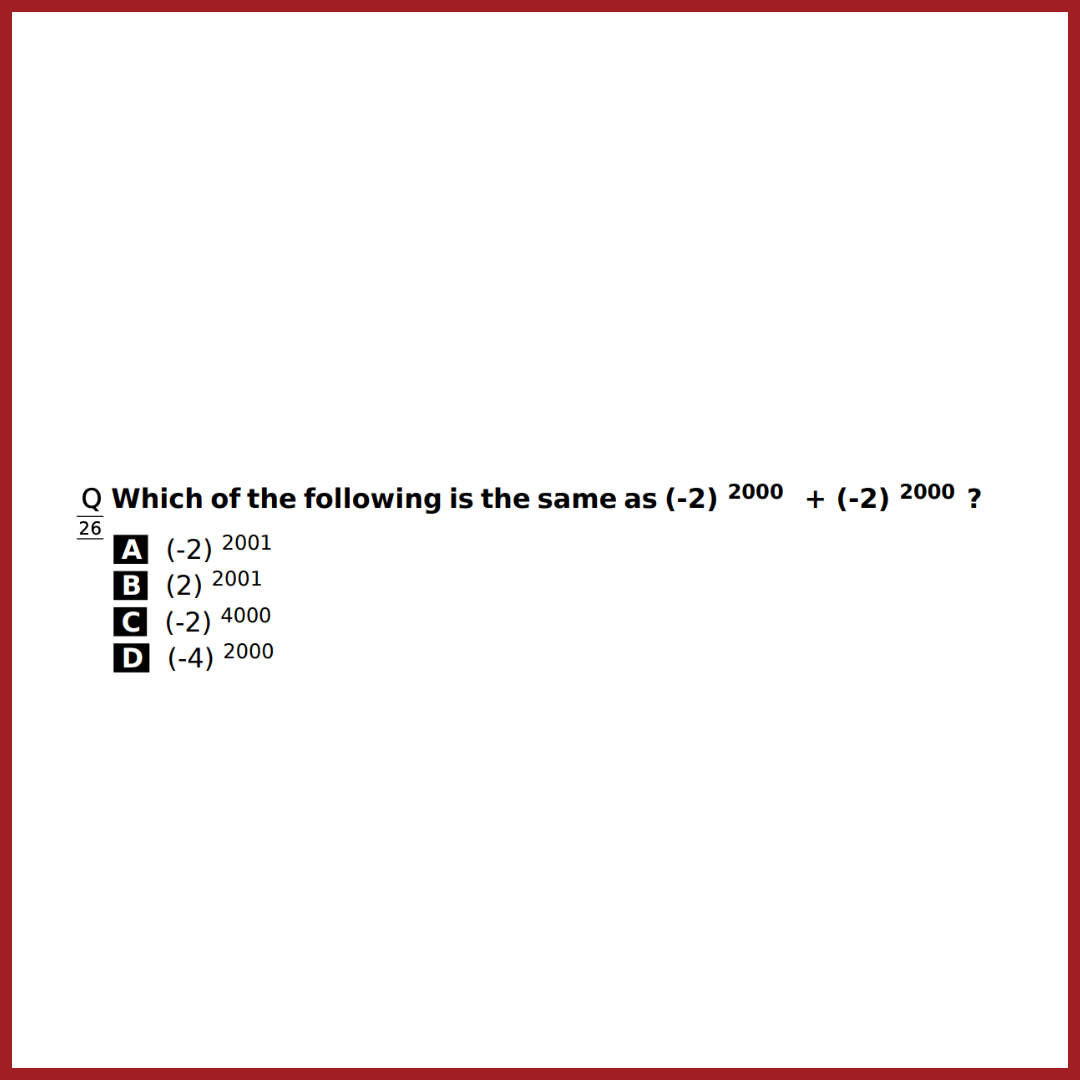
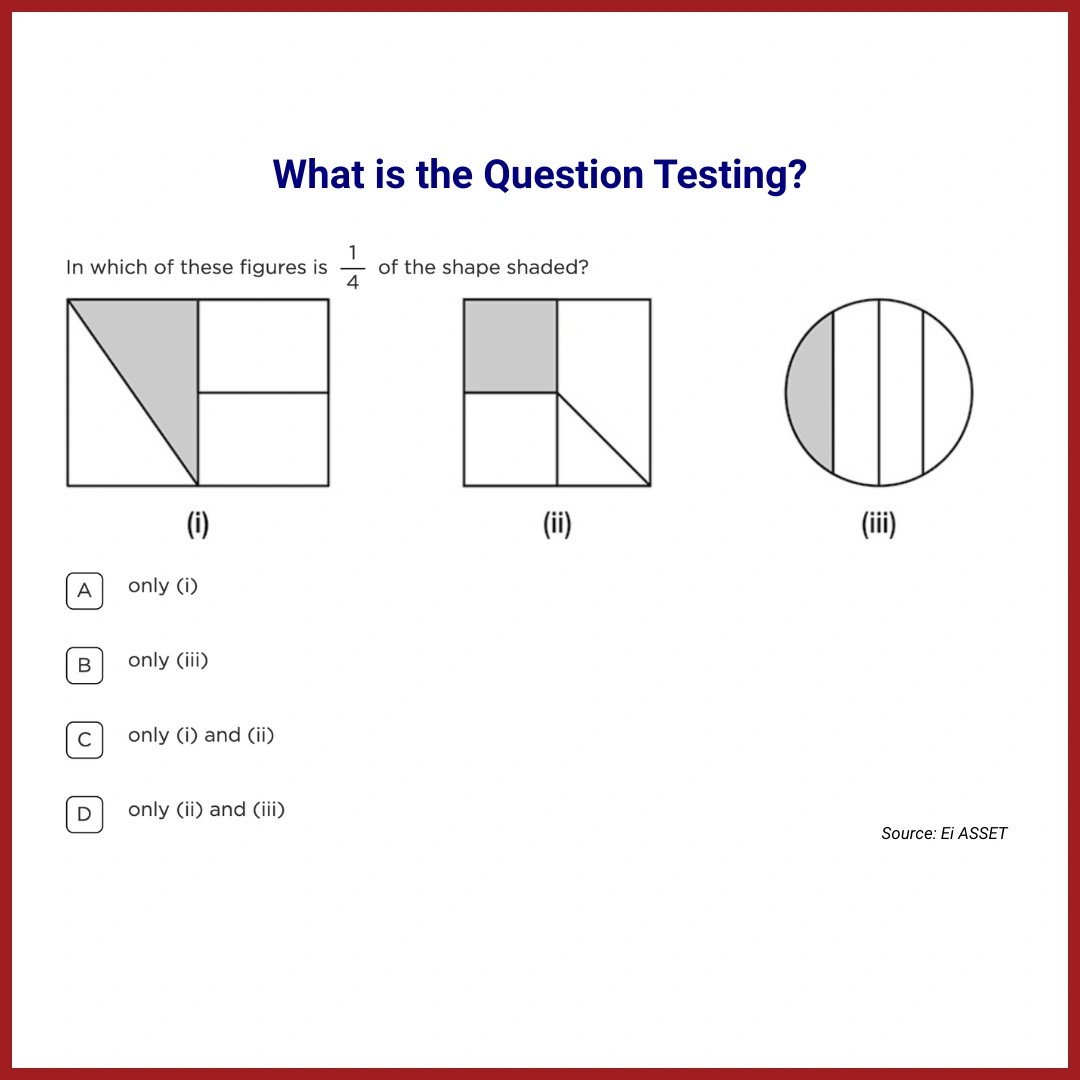
Consider this ASSET question given to Grade 8 students: Estimate 8 ÷ 0.502.
Only 30% got it right (D, slightly less than 16). But here’s what’s striking: 27% said the answer would be slightly more than 4 (A).
These aren’t struggling students. They can execute the division algorithm. But they believe dividing always makes numbers smaller, because that’s what happens with whole numbers.
Our standard approach? Teach a rule: “When dividing by a decimal less than 1, the answer is bigger than what you started with.” Students memorise it, apply it, move on.
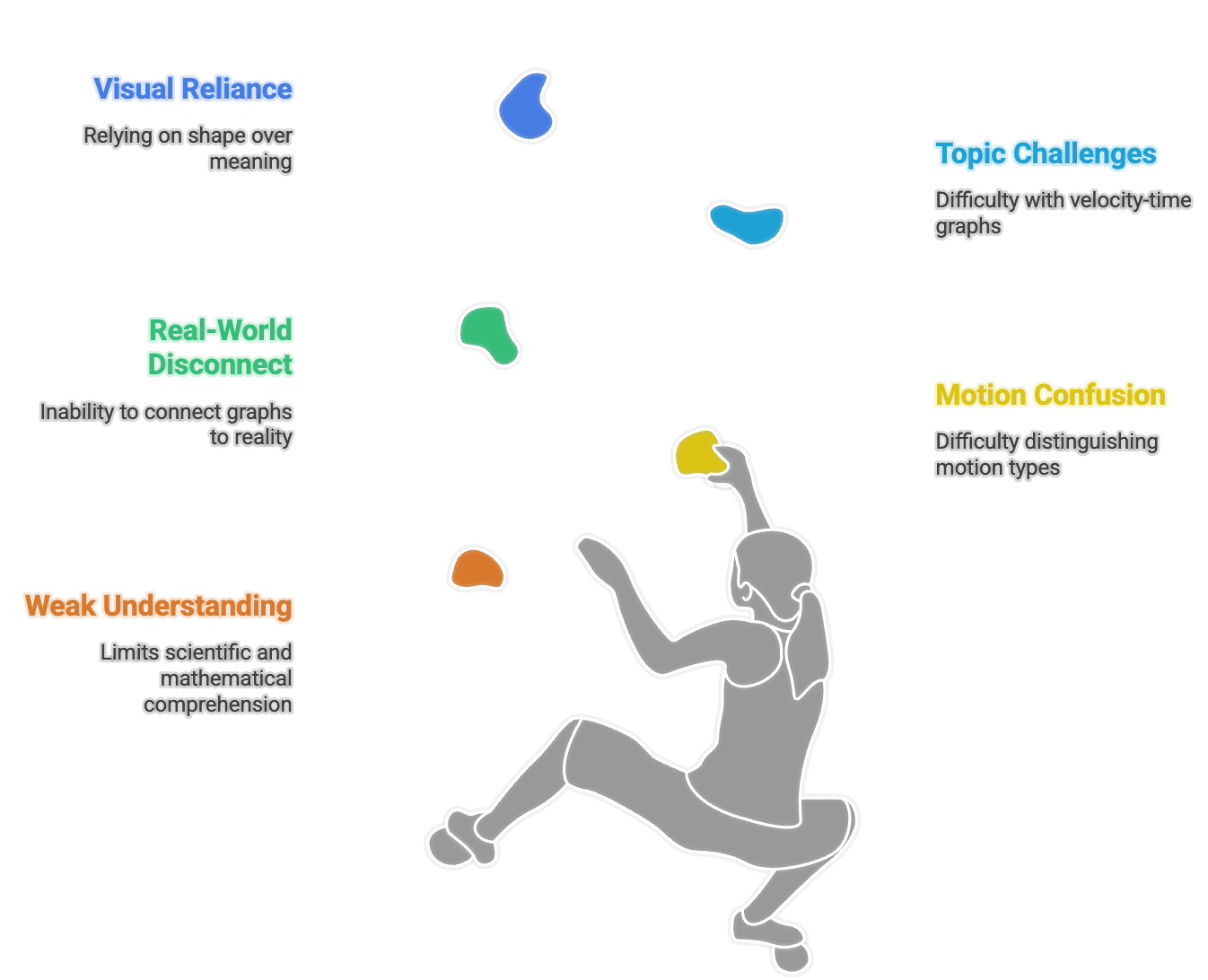
The problem is that symptomatic fixes don’t transfer. Change the numbers slightly, shift the context, and the misconception resurfaces, often in higher grades where it’s harder to address.
M3 takes a different approach. Teachers trace the misconception backward: Where does number sense break down? What’s missing in how division relates to fractions? What experiences with concrete materials never happened in primary school?
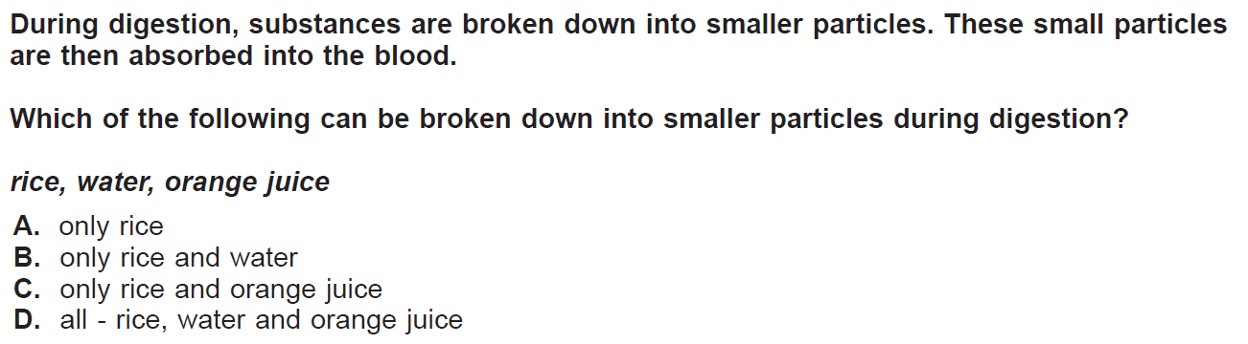
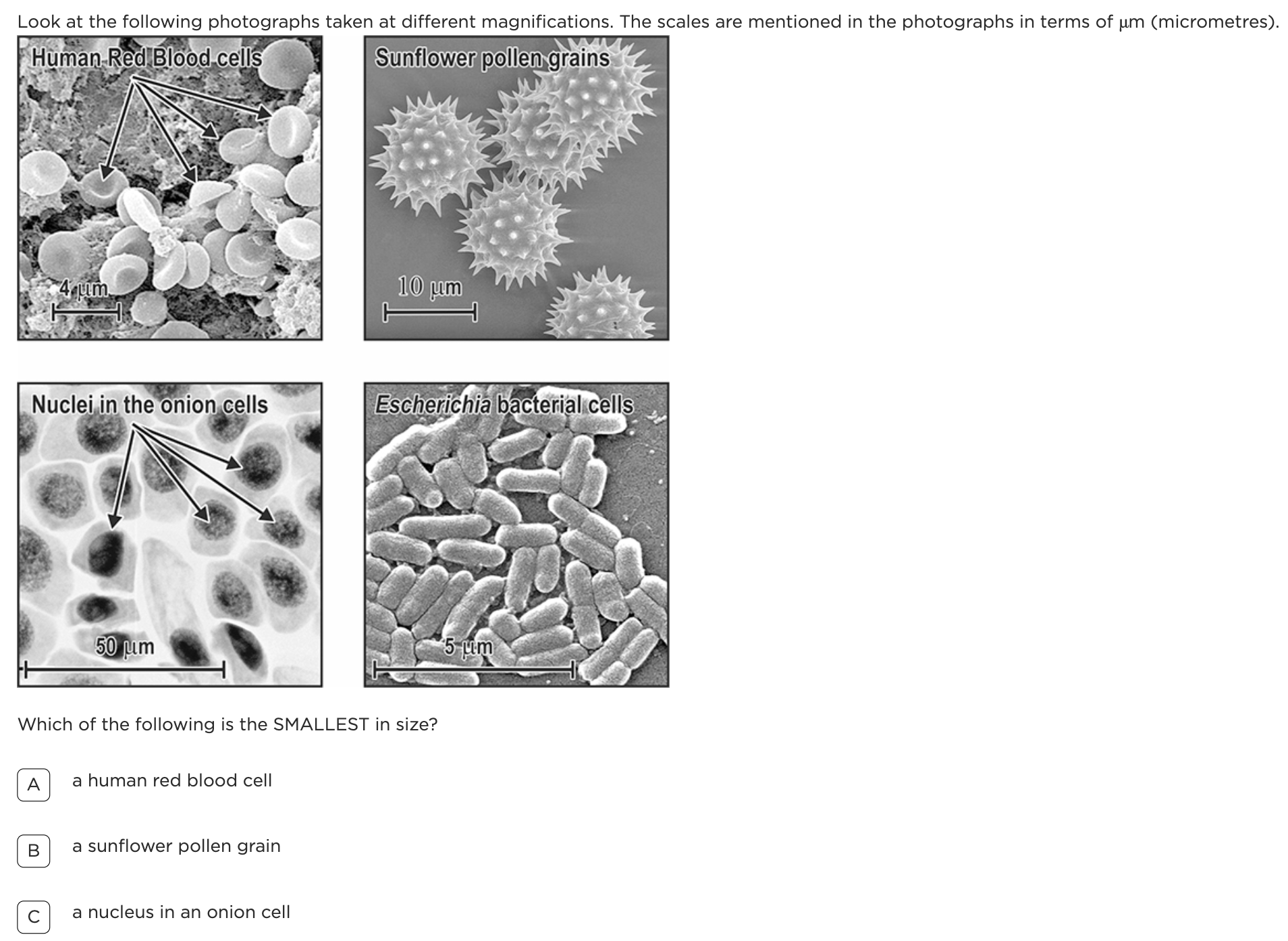
The same pattern appears with understanding the microscopic world. We treat ‘microscopic’ as a single category, and the data proves it fails the students. In Grade 6, 80% of students incorrectly believe digestion only applies to solids like rice, unable to see the molecular complexity in juice. By Grade 9, this lack of hierarchy is stark: 60% of students cannot confirm that an animal cell is larger than a water molecule. To them, atoms, molecules, and cells are all just ‘small things’ effectively the same size.
Misconceptions don’t appear in Grade 8 or 9. They take root years earlier, then compound. That’s why M3 works comprehensively across primary and middle school math and science.
What changed for teachers
When teachers learn to trace misconceptions to their roots, something unexpected happens: they stop treating wrong answers as failures and start treating them as diagnostic information.
“While introducing fractions, I would always start with fractions as a part of a whole, and would continue to explain that the whole could be a single object or a collection of similar objects. I got a clear understanding on how a misconception could form because of this one thing. I would definitely give it some time now to introduce a whole as a collection of similar objects now onwards.”
– Ramya M S, Subject Coordinator – Mathematics, Sri Kumarans Group of Institutions
“I have slowed down my teaching. And I started to observe a question a lot. Initially, in the class strength of 40, to make them sit and listen, we used to be louder, raise our voices, but I’m not doing this now. I’m just calming myself. Slow down, and this actually works. And children are also listening, and they’re enjoying themselves when questioned.”
– Shyamala Devi M, Primary Math Teacher, Sri Kumarans Group of Institutions
One primary math teacher coined the term "thinkrooms" for what her maths classroom became.
The shift shows up in unexpected ways. One teacher reported: "When I began to take the questions to class, children started asking me daily 'Do you have any new questions today?' We have seen our children growing with this." - Primary Math Teacher
"I'm in love with those ASSET questions! They pushed us to think." - Primary Math Teacher from PICT Model School, Pune
Children asking for harder problems. That's what happens when wrong answers stop being dangerous.
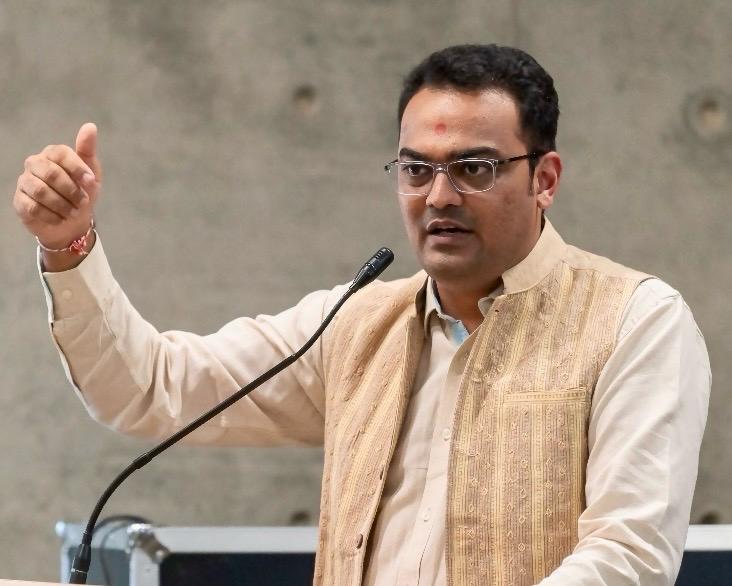
A CBSE resource person in the cohort said: "After attending this misconceptions course, I really planned that when CBSE sends me to the next session, I will really talk about this to the teachers, because they need to update themselves. I think each and every teacher needs to attend this, instead of one or two representatives."
What teachers take away from My Misconception Mentor
After each session, teachers reflect on three questions: How did this improve your understanding of student thinking? Did it deepen your grasp of the content? What will you take to your classroom?
Below is one teacher's response after the session on multiplication and division:
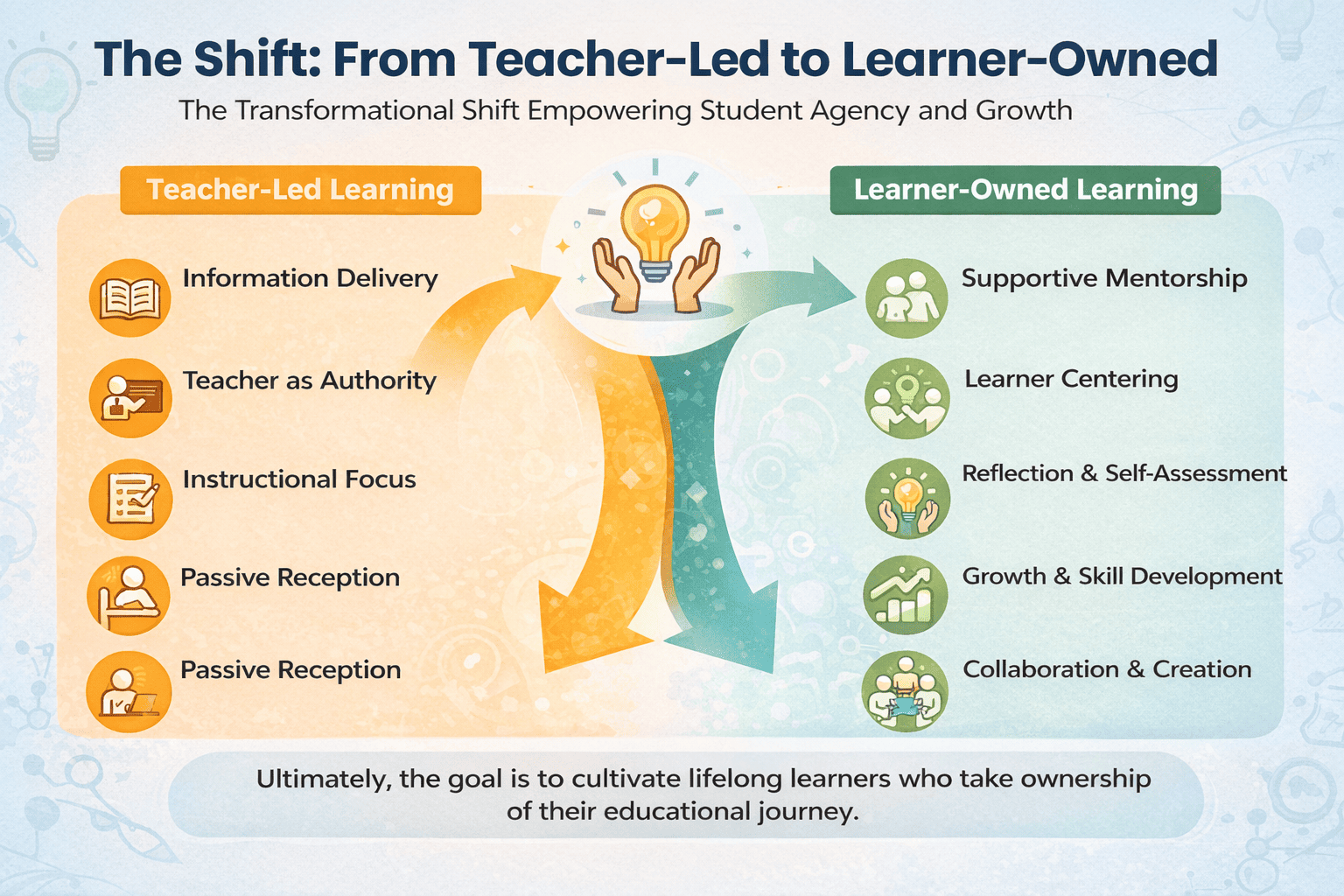
The shift is visible in the language: from "student errors" to "windows into thinking," from "they added wrongly" to "why might a student think that way?" This isn't about learning new teaching tricks—it's about fundamentally reorienting toward the mathematics itself and how children actually encounter it.
How it works
These shifts don't happen in a one-day workshop. They require sustained engagement with content—not just pedagogy—over months. And they benefit from teachers learning alongside peers from other schools.
"The exchange with teachers from other schools was really, really very, very nice. As we moved along the course, it was actually continuously in an exponentially increasing curve of the value-add."
The program runs in four tracks: Primary Math, Middle School Math, Primary Science, and Middle School Science. Each track has 8 live sessions over 2-4 months (Saturdays, 3-5 PM IST), with cross-school cohorts.
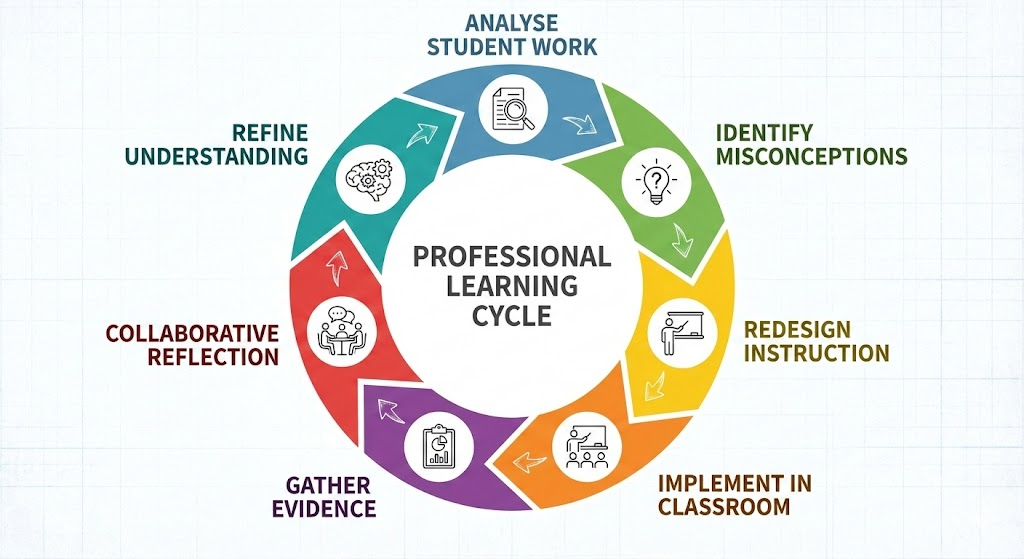
Between sessions, teachers complete a three-part assignment cycle:
Work through the mathematics themselves
Reflect on exemplary teaching practices
Take a specific activity to their classroom and observe what happens.
They receive detailed feedback on submissions.
"Only if we have the clarity of the concept, will we be able to deliver the concept. Then only we will be able to connect with the students.”
Post-course, teachers get 16 Teacher Hours over one year. These are ongoing access to mentors and peer discussion.
Next cohort: January 2026.
Registration: http://genwise.in/for-teachers | prakhar.ghildyal@ei.study | siddharth@genwise.in | +91-8762703967

powered by Advanced iFrame